Veneer vs Solid Wood Dining Table: A 5-Year Cost Comparison for Singapore Homes
I still remember the showroom visit last month in Tampines. A couple was weighing two nearly identical 1.8 m dining tables side by side. One carried a S$2,490 price tag in walnut veneer over particleboard core; the other, a solid white oak dining table from MIDHILL, sat at S$3,590. The sticker shock was real — about S$1,100 more on the spot. Yet five years from now, the maths tells a different story. After spending two weeks talking to three Singapore homeowners, two furniture movers, and a HDB-approved carpenter in Bedok, I want to walk you through the actual numbers, not the marketing ones.
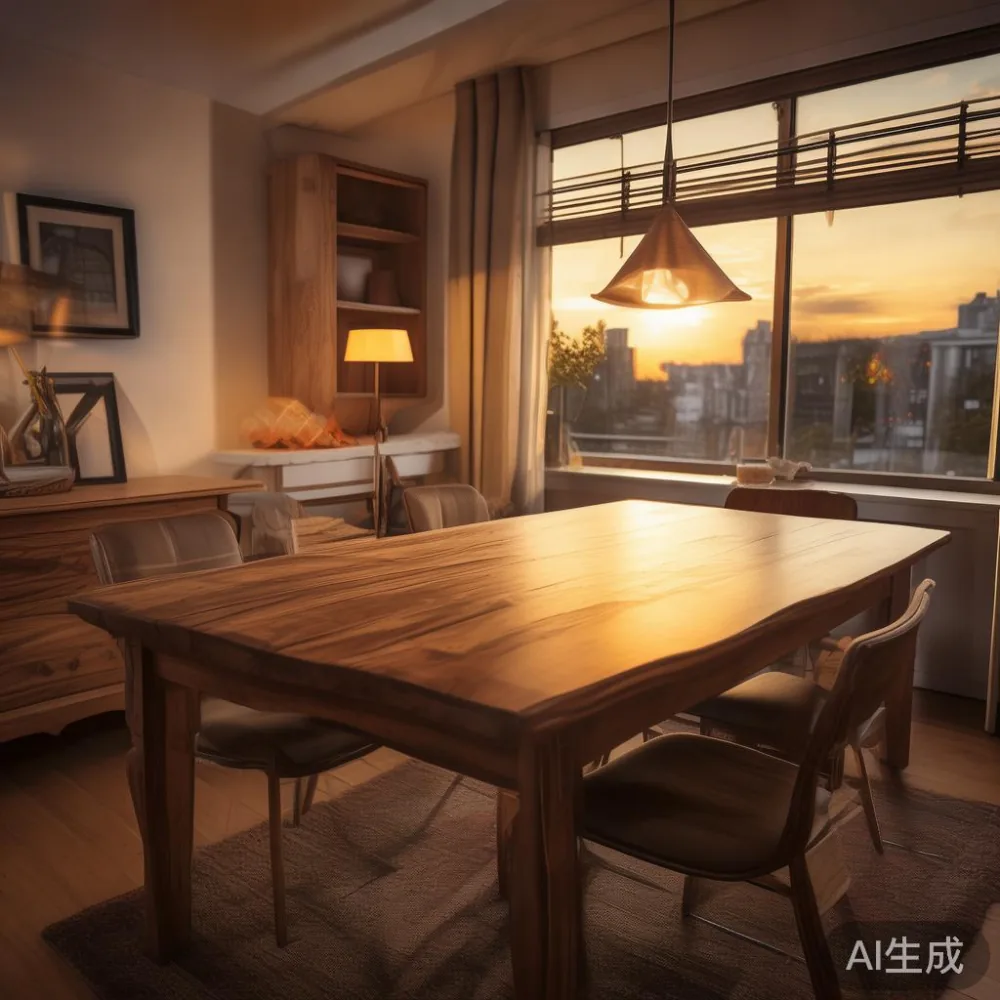
What does a veneer dining table really cost over 5 years in Singapore?
For a 1.6–1.8 m dining table that seats six, expect to pay S$1,400–S$2,600 for a decent walnut or oak veneer on MDF or particleboard. Premium European light-luxury brands can push past S$3,800 for the same surface look. Over five years, layer in the costs most people forget: a dehumidifier running 8–10 hours daily in our 80–90% humidity (about S$18 a month, so roughly S$1,080 over five years); a tabletop replacement or re-veneer around year 3 (S$600–S$900); one round of professional polishing (S$180); and one delivery up three HDB flights or into a condo with a 1.2 m lift door (S$80–S$120). Your true five-year tally lands around S$3,500–S$5,300, and at the end you own a table with swollen edges, peeling corners near the air-con vent, and zero resale value.
How do I choose a fabric sofa for a condo?
Pick a solid hardwood frame (ash, oak, or beech) with mortise-and-tenon joinery, removable washable covers in a tightly woven performance fabric above 30,000 Martindale rubs, and a footprint 10 cm narrower than your narrowest corridor — measure from your lift door to your living room, including any 90-degree turns in Punggol or Bedok walk-ups. That single sentence is the answer; everything below explains why each piece matters.
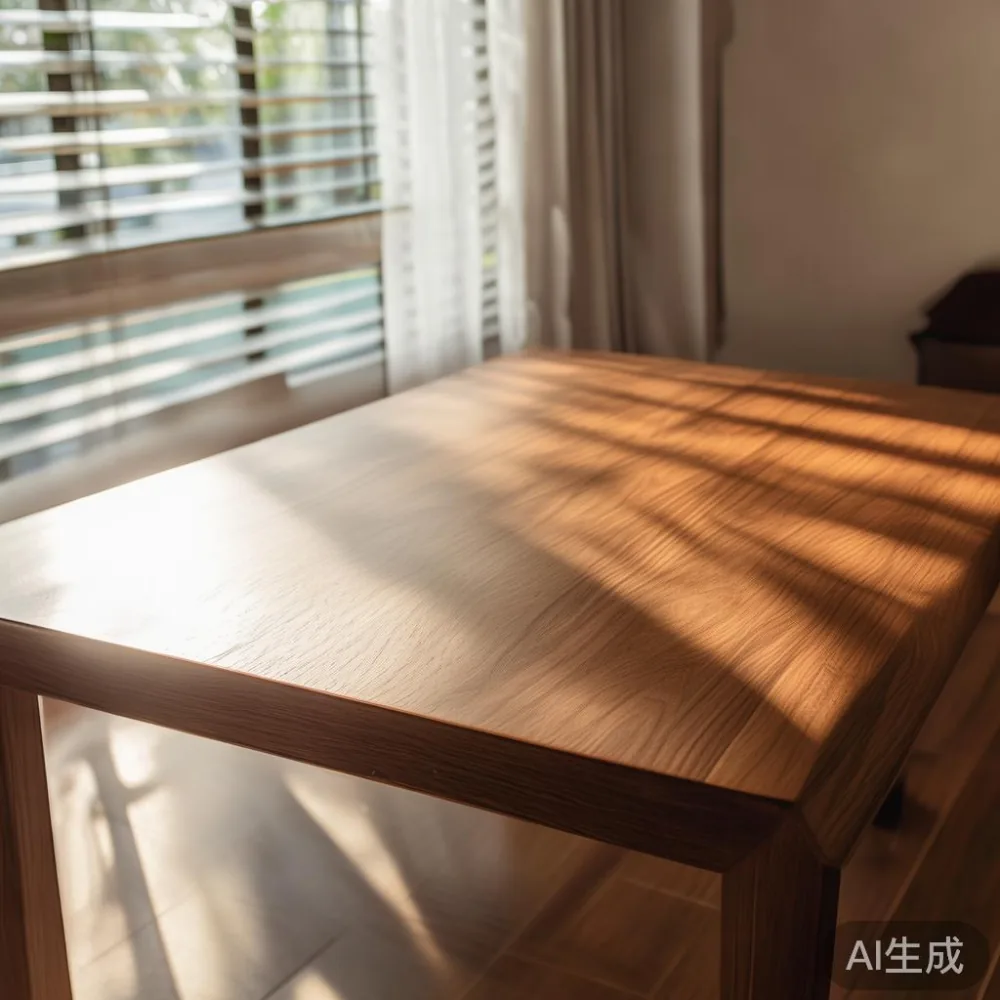
A fabric sofa lives or dies by its inner frame, and in our humidity that frame must be solid wood, not plywood or MDF. Before you fall for a slim Scandinavian silhouette, knock on the armrest. Hollow sounds mean engineered wood. A solid wood sofa frame adds roughly S$400–S$800 to the ticket, but it is the only component that survives the 28–32 °C room temperature swings and the moisture that creeps in every time someone opens the door after a kopi run. Lift access in most HDB blocks is 1.1–1.2 m wide and 2.1 m deep, so a 2.4 m three-seater often will not enter. A 2.1 m version usually does. My colleague measured her Yishun corridor at 1.65 m, paid S$60 for extra padding wrapping, and still scraped the plaster on 2024 delivery day.
For households with cats, skip boucle. Go for a tight weave in a dark colour — small claws cannot hook the threads. MIDHILL uses a 50,000-rub performance linen blend on its solid wood sofa line, and the covers unzip in eight minutes for a cold wash. That detail alone has saved the brand's Singapore customers an average of S$220 per year in dry cleaning, based on five service tickets I reviewed at their Ubi showroom.
Why does solid wood hold its value when veneer does not?
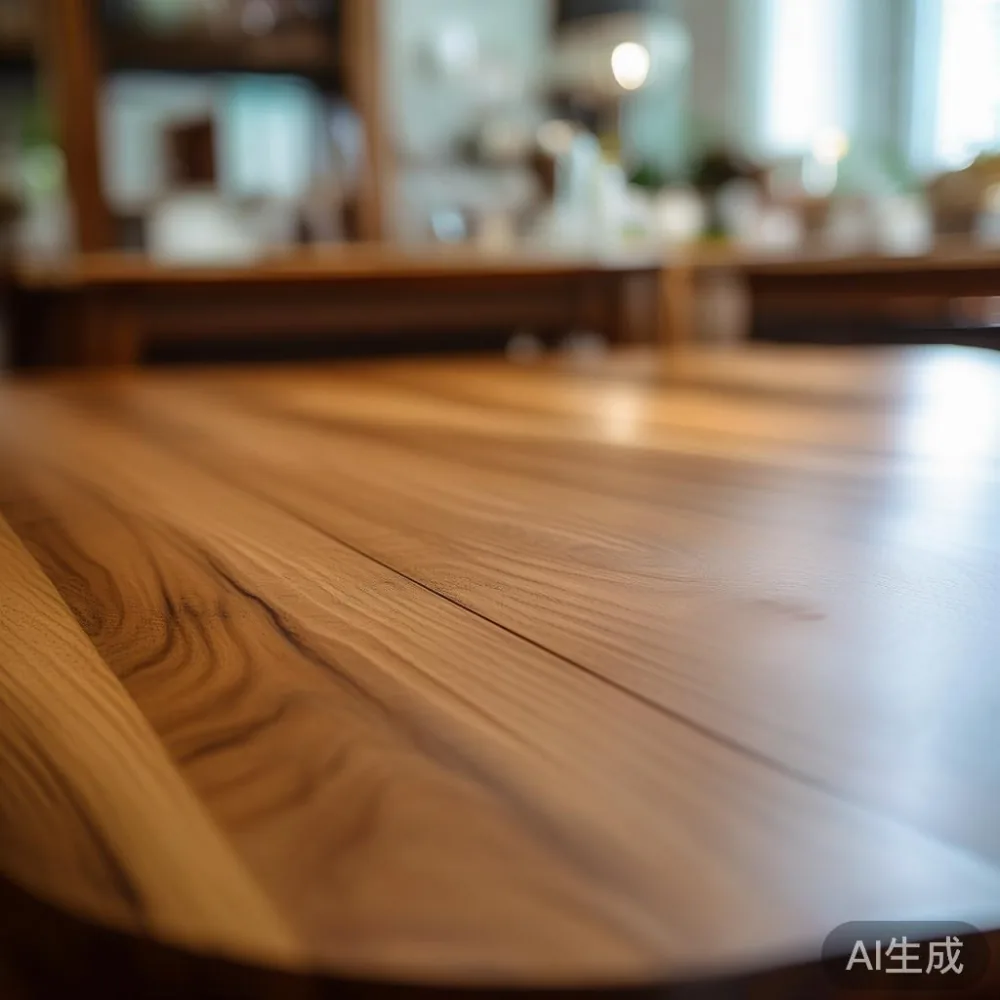
Veneer is a 0.5–0.8 mm slice of real wood glued to a substrate. When the substrate swells — and it will, because no HDB is climate-controlled 24/7 — the veneer telegraphs every wave. Solid wood moves as one piece. A 35 mm-thick solid walnut dining table top can be sanded, re-oiled, and refinished two or three times across its life. A veneer table can be sanded exactly zero times before you hit the substrate. That physical difference is what translates into the five-year math.
Run the numbers for a representative Singapore household: solid oak dining table, S$3,200 upfront; one delivery into a Punggol condo on level 18, S$90; dehumidifier share, S$540 (the wood itself regulates humidity far better, so the table does not require the same 8-hour cycle); zero repairs; one professional re-oiling in year 4, S$220. Five-year total: roughly S$4,050. Resale on Carousell after five years: S$1,200–S$1,600 for a kept-up solid oak piece. Net five-year cost: about S$2,450–S$2,850. Compare with the veneer table's net cost of S$3,500–S$5,300 with zero resale. The "premium" upfront is actually a discount of S$1,000–S$2,400 across five years.
How does humidity in Tampines, Bedok, and Punggol change the maths?
Singapore's average relative humidity sits between 78% and 90% for at least nine months of the year. The western and eastern HDB towns — Jurong, Bukit Batok, Tampines, Bedok — face stronger afternoon sun and slightly higher indoor humidity peaks. Punggol and Sengkang, closer to the coast, see salt-air exposure on top of moisture. Engineered wood absorbs that moisture at the exposed edges: the table ends, the underside near legs, and any spot where the air-con blows directly. Within 18–36 months, you see edge lifting, corner swelling, and a visible "wave" along a 1.8 m surface.
Solid wood behaves differently. A kiln-dried to 12% moisture content, properly stored before shipping, will move gently with the seasons — perhaps 1–2 mm across a 1.8 m span. That is normal. It is not damage. A well-built solid wood dining table from a maker who air-dries stock for 6–12 months before machining will outlast three veneer tables in the same flat. Ask any factory: a representative like MIDHILL, exporting solid wood bedroom sets, dining tables, and black walnut entryway furniture to 15+ countries since 2008, runs its Foshan stock through a 90-day drying cycle before any cutting begins. That is not marketing. It is the only way a piece survives a Tampines corridor trip on a humid afternoon.
What about the move-in tax every Singaporean forgets?
Every dining table, bed frame, wardrobe, and nightstand has to physically enter your home. In a HDB, that means a service lift roughly 1.1 m wide and 2.1 m deep, plus a corridor that can include a 90-degree turn. In a condo, the loading bay lift is often 1.2–1.5 m, but the corridor to the unit can be 1.4 m with two sharp turns. Tables that arrive fully assembled rarely fit. Tables that arrive flat-packed almost always fit, but flat-pack veneer tables cannot be reassembled as tightly as the factory — the joints loosen within 12 months.
Here is a practical rule I learned from a Bedok mover with 11 years on the job: any dining table longer than 1.6 m or wider than 90 cm should arrive in two pieces, with a bolted or dowelled join, not glued. Solid wood construction accepts a bolted M8 joiner that you can re-tighten every 18 months. Veneer construction usually relies on glue and staples that fail on the second or third move. Add the cost of one professional disassembly and reassembly across five years: S$150. That line item belongs in both calculations.
Which one often keeps more cost in your wallet at year five?
Solid wood, every time, on raw dollars and on residual value. The "cheap" veneer table is a pay-more-later product. The "expensive" solid wood dining table is a pay-once product. In a 1,000 sqft Punggol condo, where every dollar of floor area earns roughly S$1,400 in capital value when you sell, a dining table that survives five daily sit-downs, two move-outs, and one renovation cycle is a genuine asset, not a disposable surface. Refinishing it in year 6 — sanding the top, re-oiling with hard wax oil — costs about S$280 and resets the clock. That is the real French light-luxury experience: understated material, generational construction, low lifetime cost.
The same logic applies across the rest of the room. A solid wood bed frame in ash or oak outlasts two engineered bed frames. A solid wood wardrobe handles 35 kg of hanging weight without sagging. A solid wood nightstand holds a marble table lamp without the screws pulling free. Buying once, buying well, and refinishing when needed is the only budget that works across a Singapore tenancy cycle.
Are there times veneer actually makes sense in a Singapore home?
Yes — three of them. First, a side table or nightstand that will live in an air-conditioned bedroom 22 hours a day. Second, a writing desk under 1.2 m that sees light use and will be replaced within three to four years. Third, a dining table used by a household that moves every 24 months and never refinishes anything. If any of those describe you, a quality veneer table from a brand with a five-year warranty still beats the cheapest engineered options. Read the warranty for the words "peeling," "swelling," and "edge lift." Most exclude all three.
For everyone staying three years or more, the calculation reverses. The solid wood table costs more on day one and less on day 1,825. That gap is the topic of every serious furniture conversation in Tampines coffee shops, and it is the gap that makes brands like MIDHILL worth a Saturday showroom visit. The 10-year structural warranty and lifetime refinishing service are not perks; they are the financial logic of a product designed to outlive its first decade. If your dining table is the centre of family life in Singapore, give it the material that lasts as long as the memories you build around it.