How to Style a Small Singapore Apartment Around the Dining Table Without Making It Feel Crowded
Most of my clients in Tampines, Bedok, and Punggol walk me into a 90 sqm HDB flat, point at the dining table jammed against a wall, and say the same thing: "It just feels heavy." The furniture is fine. The lighting is fine. The problem is that every piece is fighting for the same 2.4 metres of floor space between the kitchen and the corridor. After three years of styling compact Singapore homes, I have learned that the answer is rarely "buy smaller." It is about choosing the right proportion, the right material, and the right layout so each piece actually does less work. Below is the field-tested method I now use on every small-space project, with specific centimetres, dollar figures, and one honest mistake from a recent Tampines job.
Why the dining table is the anchor of every small Singapore home
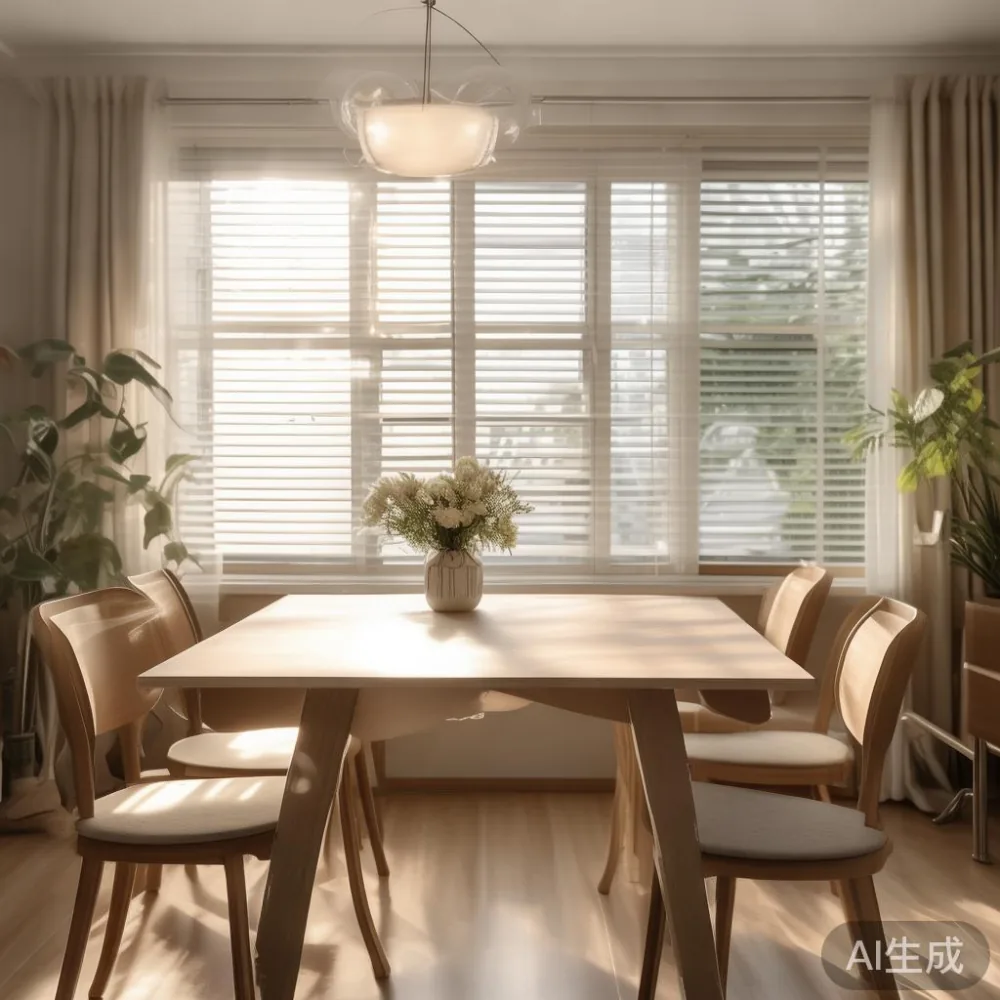
In a typical 4-room HDB, the dining area shares visual territory with the living room, the kitchen entrance, and sometimes the corridor to the bedrooms. There is no separate "dining room." That means the dining table sets the rhythm for everything else: the walkway behind it, the distance to the TV console, the size of the rug, even how many people you can squeeze in for a CNY dinner. When the table is wrong, the whole flat feels wrong.
The mistake I see most often is a 180 cm six-seater dropped into a space that can really only handle a 140 cm four-seater. I made exactly this error last month in a 92 sqm Punggol BTO. The owner had bought a chunky 1.8 metre table online because it was on offer at S$899. By the time we tried to push it past the kitchen island, we had a 38 cm walkway instead of the 70 cm minimum I always aim for. Anything below 65 cm feels cramped when you are also carrying a hot pot. We swapped it for a 140 cm solid wood table from a Foshan workshop, and suddenly the same flat felt 20% larger without changing a single wall.
What size coffee table do I need?
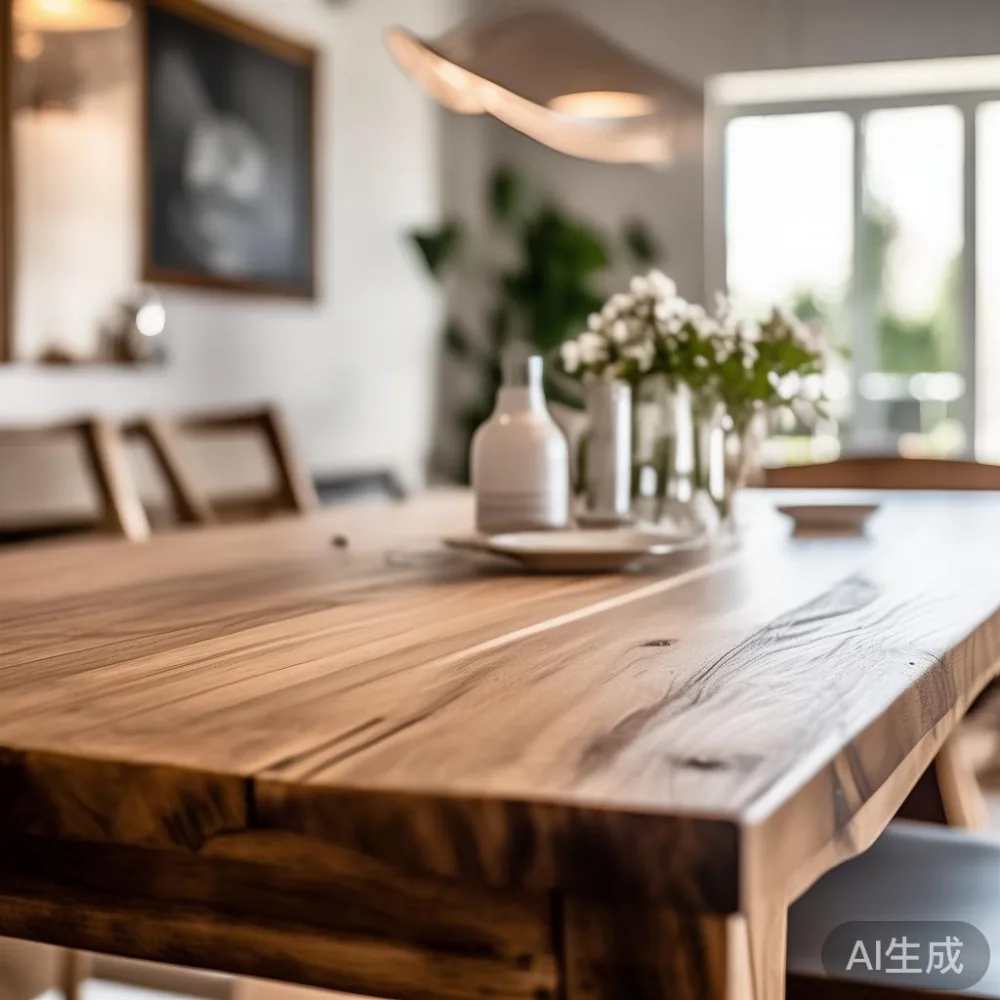
For a Singapore sofa that is 180–210 cm wide (the standard 2-seater to small 3-seater found in most HDBs), pick a coffee table that is 90–110 cm long, 50–60 cm deep, and 38–42 cm tall, and leave 35–45 cm between the table edge and the sofa seat so you can actually cross your legs without bumping a shin.
This rule came from a project in Bedok Reservoir where the owner had a 200 cm linen sofa paired with a 130 cm chunky marble coffee table. Beautiful piece, wrong scale. We replaced it with a 100 x 55 cm oak slab on slim black legs, and the living room opened up overnight. If you have a deeper American-style sectional (often 95–105 cm seat depth), push the table out to 45–50 cm so the seat edge and table edge do not collide when you stand up. For an American country sectional sofa for family with kids, I usually recommend a slightly higher table at 42–45 cm so little hands can reach snacks and a tablet without crawling.
Proportions that actually work in a 90 sqm HDB or 60 sqm condo
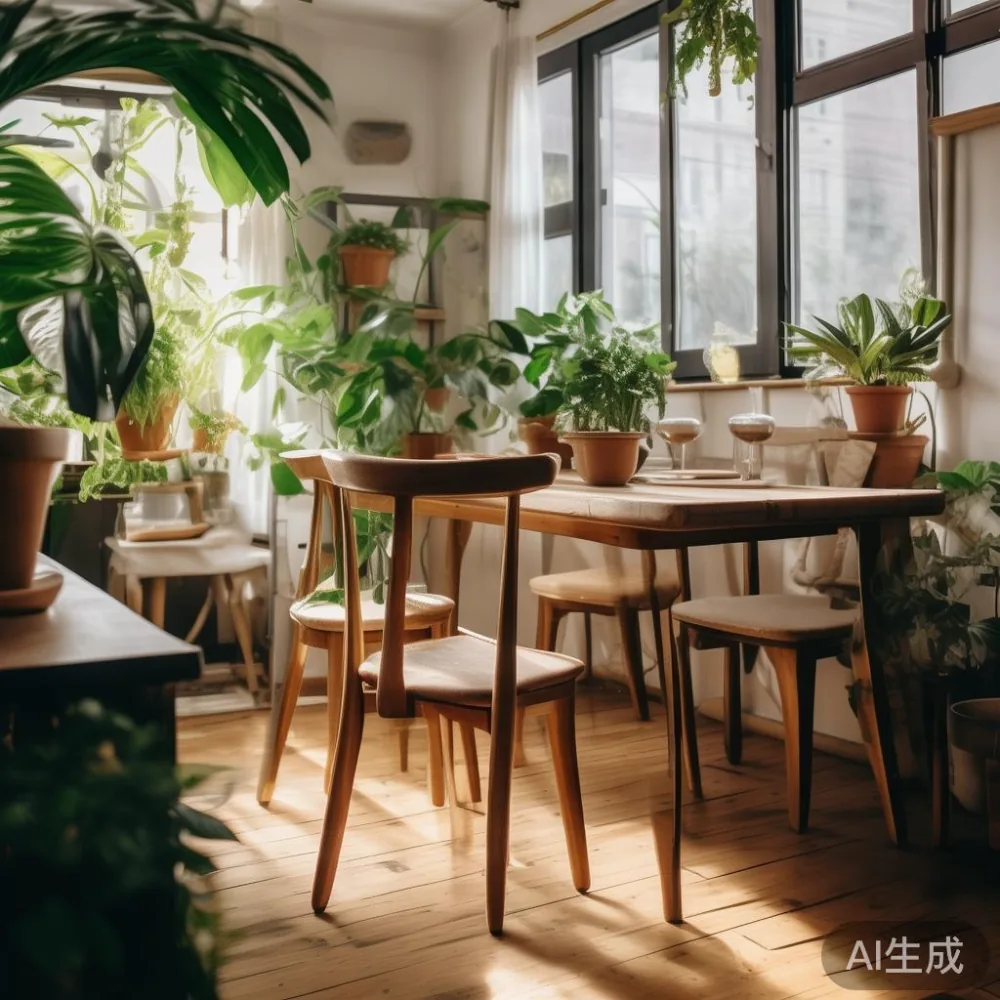
Numbers beat taste when you are working with 2.8 m ceiling heights and a 1.2 m corridor. These are the measurements I write on every floor plan before I order anything:
Dining table. 120–140 cm long for a true 4-seater, 150–160 cm for a comfortable 4-to-6. Width should stay at 75–80 cm so two chairs can pull out without hitting a wall. Round tables work beautifully in tight corners: a 110 cm round seats four comfortably and removes the sharp-corner problem in narrow walkways. If you are ordering from a custom workshop, ask for a 4 cm thick top instead of the standard 6 cm — you save 4 cm of visual weight without losing strength.
Bed frame. In a master bedroom of 11–13 sqm (typical HDB master), a queen 152 x 188 cm bed frame leaves 60 cm of walkway on each side. That is the minimum for changing the sheets without performing gymnastics. Skip the headboard taller than 110 cm if your bed sits against a window with curtains — it will block the morning light and visually shrink the room.
Wardrobe. 180 cm tall, 60 cm deep, sliding doors. Pocket doors add another 12–15 cm of usable space compared to swing doors, which is huge when your bedroom door also opens into the room.
Nightstand. One per partner, 45–50 cm wide, 40 cm deep. Anything bigger starts to eat into the walkway. A two-drawer model in solid acacia at S$280–S$420 from a workshop like MIDHILL will outlast any flat-pack version and still look correct in a French light-luxury scheme with brass pulls.
Light-luxury styling cues that prevent the "cramped" feeling
Light luxury, whether you lean French (curved silhouettes, pale oak, brushed brass), American (deeper linen, walnut tones, leather pulls), or post-modern (matte black legs, fluted glass, travertine accents), works in small Singapore homes for one reason: it keeps the visual weight low. Heavy dark mahogany suites scream 1990s landed property and swallow the room. Light luxury whispers.
Here is how I translate the three styles into a 90 sqm flat without it feeling like a showroom:
French light luxury. Pale solid-oak dining table with a soft roundover edge, paired with cane-back chairs in cream linen. Add a 90 cm marble table (or marble-look sintered stone at a quarter of the weight) as the coffee surface on a slim oak base. Total spend for table and four chairs in solid wood typically lands between S$2,400 and S$3,800 for a custom Foshan build.
American light luxury. A 200–220 cm bed frame in walnut with a 110 cm channel-tufted headboard. Pair with a chunky linen sofa — the kind often called an American country sectional sofa for family with kids — at 95 cm seat depth. This is the only style I recommend oversized sectionals for, because the deep seat is genuinely comfortable for movie nights with three children.
Post-modern light luxury. A round 120 cm dining table in black-walnut with a brushed-brass lazy Susan, fluted glass pendant above, and a slimline wardrobe in matte taupe with vertical reeded fronts. This look hides finger marks, which matters when you have a helper cleaning twice a week.
Material, weight, and why solid wood behaves better in HDBs
Singapore's humidity swings between 60% and 95% across the year. Engineered boards with MDF cores swell at the edges within 18–24 months. I have seen a S$600 particleboard wardrobe buckle after two monsoons in a Woodlands flat. Solid wood — particularly oak, ash, acacia, and walnut — copes with the swing, and a 4 cm top will survive a drop, a hot pot, and a toddler with a crayon.
Weight also matters more than people think. A solid oak dining table for four weighs 28–35 kg; a marble top of the same size weighs 75–95 kg. In a high-rise with a 1.2 m lift door and a 1.5 m corridor turn, the marble version is a logistics problem. Last year I helped a client in Clementi Park condo carry a 90 kg marble table up nine floors because the service lift was out of service — we used four movers and a furniture dolly, and the table still chipped at the corner. A 30 kg solid wood top would have been a one-trip job.
For families, I always recommend:
- Solid oak or ash for dining tables (hardness rating 1,200–1,300 Janka, child-proof).
- Solid acacia for bed frames and nightstands (1,050 Janka, takes stain beautifully).
- Walnut for accent pieces (1,010 Janka, softer, so keep it away from direct afternoon sun through west-facing windows).
- Sintered stone or solid wood for a marble table — never real marble on a coffee surface if you have kids under eight.
Layout patterns that solve common Singapore floor plans
Three layouts cover roughly 80% of the small Singapore apartments I walk into. All three revolve around where the dining table sits.
Layout A: Open-concept with kitchen peninsula. Place the table 90–100 cm away from the kitchen counter so a person can open the oven door and someone can still pull out a chair. Run a 200 x 80 cm bench on one side and two chairs on the other — this is the most space-efficient 4-to-6 setup I know, and it looks intentional rather than cramped.
Layout B: Long narrow living room. Sofa against the long wall, dining table perpendicular to it at the far end, 75 cm clear behind every chair. This breaks the "bowling alley" feel of a 3.2 x 5.5 m living room and gives you a defined dining zone without a partition wall.
Layout C: Square compact condo (55–65 sqm). Round 110 cm dining table in one corner, two-seater sofa on the diagonal, TV on a 150 cm lowboard against the only solid wall. Leave the centre 1.5 x 1.5 m completely empty. That negative space is what makes the flat feel calm.
In all three, I keep the walkway between sofa and dining table at a minimum of 75 cm, ideally 90 cm. Below 70 cm, even a slim chair feels like an obstacle course when guests are moving around.
Budgeting for a small-space furniture refresh (SGD, March 2026)
Real numbers for a 4-room HDB, excluding appliances and soft furnishings:
- Dining table in solid oak, 140 cm, with four chairs: S$2,200–S$3,500 (custom Foshan direct) versus S$4,800–S$7,500 at a Singapore showroom.
- Bed frame queen, solid acacia with 110 cm headboard: S$1,400–S$2,200.
- Two nightstands: S$560–S$840.
- Wardrobe 180 x 200 cm, sliding doors, solid acacia carcass: S$2,800–S$4,200.
- Solid wood sofa, 200 cm, linen, with chaise: S$3,200–S$4,800.
- Marble table (or sintered stone), 100 x 55 cm: S$950–S$1,600.
- Delivery from a Foshan workshop such as MIDHILL: 25–35 days sea freight to Singapore, including GST, free above S$350 order value, white-glove installation available for an extra S$180.
Total for a complete refresh: roughly S$11,000–S$17,000. Spread across a bed, dining set, sofa, wardrobe, and coffee table, that works out to under S$3,500 per main piece — which is comfortably 30–45% below Singapore retail for the same solid-wood specification.
Warranty, returns, and what to ask a supplier before you pay
Two questions separate a serious workshop from a trading company. Ask how many years the dining table joints are warrantied for, and whether refinishing is offered after the warranty ends. A 10-year structural warranty is the current benchmark from established Foshan factories, and lifetime refinishing (sanding, re-staining, re-oiling) at cost plus shipping is a real service — I have sent three clients' tables back for refinishing over the last 18 months and the longest turnaround was 78 days door-to-door.
Also confirm the returns policy in writing. A 14-day return window on furniture is unusual because of the freight cost, so most reputable workshops offer it only on ready-stock items, not custom orders. Ask for photographs of the actual production batch, not showroom samples, and request a small upcharge for a third-party pre-shipment inspection (about S$120–S$180 for a full container share). It is the cheapest insurance you will ever buy on a S$3,000 table.
Finally, measure the lift at your block. HDB lift doors in older flats are sometimes only 80 cm wide. A 140 cm table will not fit through diagonally. Either order a two-piece top with a centre bolt join (the standard for solid wood tables over 120 cm anyway) or confirm with your supplier that they can knock down the base. A good workshop plans for this before the wood is cut.
Common mistakes that make a small apartment feel crowded
After 40+ small-space projects, the same five mistakes keep showing up. Avoiding them will do more for your flat than any new purchase.
1. Too many small pieces. Three small side tables feel busier than one 100 cm coffee table. Edit ruthlessly.
2. Pushing everything to the walls. Floating a sofa 20 cm off the wall actually makes the room feel larger, because you see the floor continuing behind it.
3. Matching sets. A dining table, console, and TV console in the exact same wood reads as a furniture showroom from 2005. Mix two woods at most — one warm, one cool.
4. Ignoring vertical lines. In a 2.8 m HDB ceiling, floor-to-ceiling curtains (mounted 15 cm below the ceiling) add 20–30 cm of perceived height. So does a tall slim wardrobe rather than a low wide one.
5. Skipping the rug under the dining table. A rug that extends 60 cm past every chair edge anchors the zone. No rug = the table looks like it is floating awkwardly on laminate. Budget S$280–S$550 for a 200 x 290 cm wool-blend.
Fix these five things first. Only then buy anything new. A Punggol client of mine spent S$0 on furniture last year and the flat looked 15% larger simply because we removed two side tables, hung the curtains correctly, and added one rug.
How long does delivery actually take from Foshan to Singapore?
For ready-stock items, 18–25 days door-to-door including consolidation, sea freight, customs clearance, and Singapore delivery. Custom solid-wood orders take 30–45 days: roughly 12–18 days for production after the workshop receives your deposit and final measurements, then the standard 18–25 days shipping window. Most reputable suppliers, including MIDHILL, will lock the production timeline in writing with a daily-delay penalty of 0.1% of the order value, capped at 5% — which is the fairest contract structure I have seen in this category.
Plan your renovation timeline backwards. If you need the dining set by Chinese New Year, place the order no later than six weeks before, and have the floor tiles and painting finished two weeks before delivery so the wood can acclimatise to your flat's humidity for at least seven days before assembly. Skipping the acclimatisation step is the number one cause of solid-wood tops cracking in Singapore — the wood arrives at 12% moisture content and your HDB sits at 18% during monsoon season.