The 5-Year Cost Comparison: Veneer vs. Solid Wood Dining Tables in Singapore
Choosing a dining table for a Singaporean home is a decision that blends aesthetics, practicality, and long-term value. For residents of HDB flats in Tampines or Bedok, or condominiums in Punggol, the dimensions and durability of a dining table are paramount. It must fit comfortably within the space, work through narrow corridors and lifts, and withstand the humid climate. A common point of debate in this selection process is the choice between a veneer dining table and a solid wood dining table. While veneer options often present a lower initial price point, a five-year cost analysis reveals a different story, one where solid wood demonstrates superior value, especially when considering factors like refinishing and replacement costs.
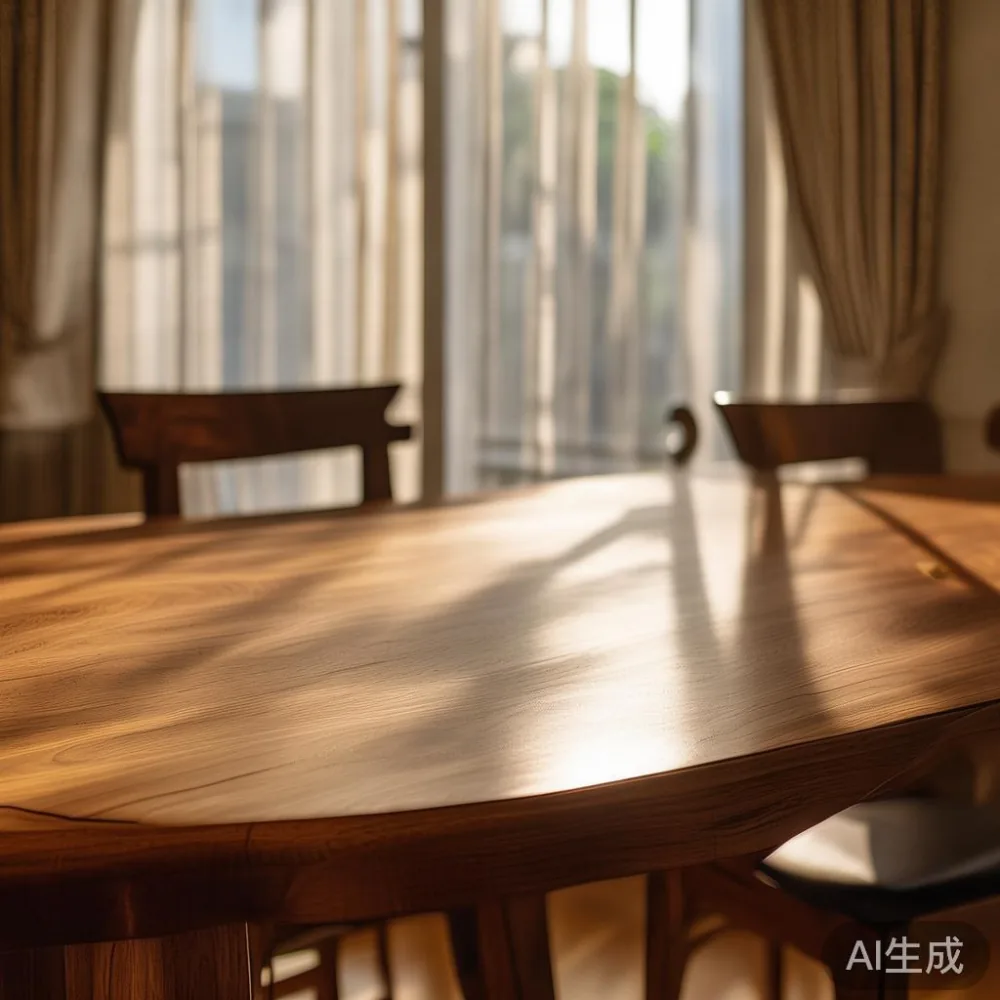
Understanding the Core Difference: Solid Wood vs. Veneer
A solid wood dining table is crafted from a single piece or multiple solid pieces of natural wood, such as oak, walnut, or teak. The beauty of this option lies in its authenticity; the table top, legs, and support structures are all made from the same durable material. This allows for deep, rich grains and a piece of furniture that ages gracefully, developing a unique patina over time. The weight of a solid wood dining table is substantial, often between 45kg to 70kg for a standard 6-seater, reflecting its density and quality.
In contrast, a veneer dining table is built using a base material, typically MDF (Medium-Density Fibreboard) or plywood, which is then covered with a very thin layer of real wood. This veneer can be as thin as 0.6mm. The process involves pressing the veneer onto the base with adhesive. While this allows for intricate patterns and a consistent appearance, it creates a fundamental weakness. The thin layer of wood is susceptible to damage, and the MDF core can absorb moisture, leading to swelling, warping, or delamination, especially in Singapore's high-humidity environment where the average relative humidity is between 70% and 80%.
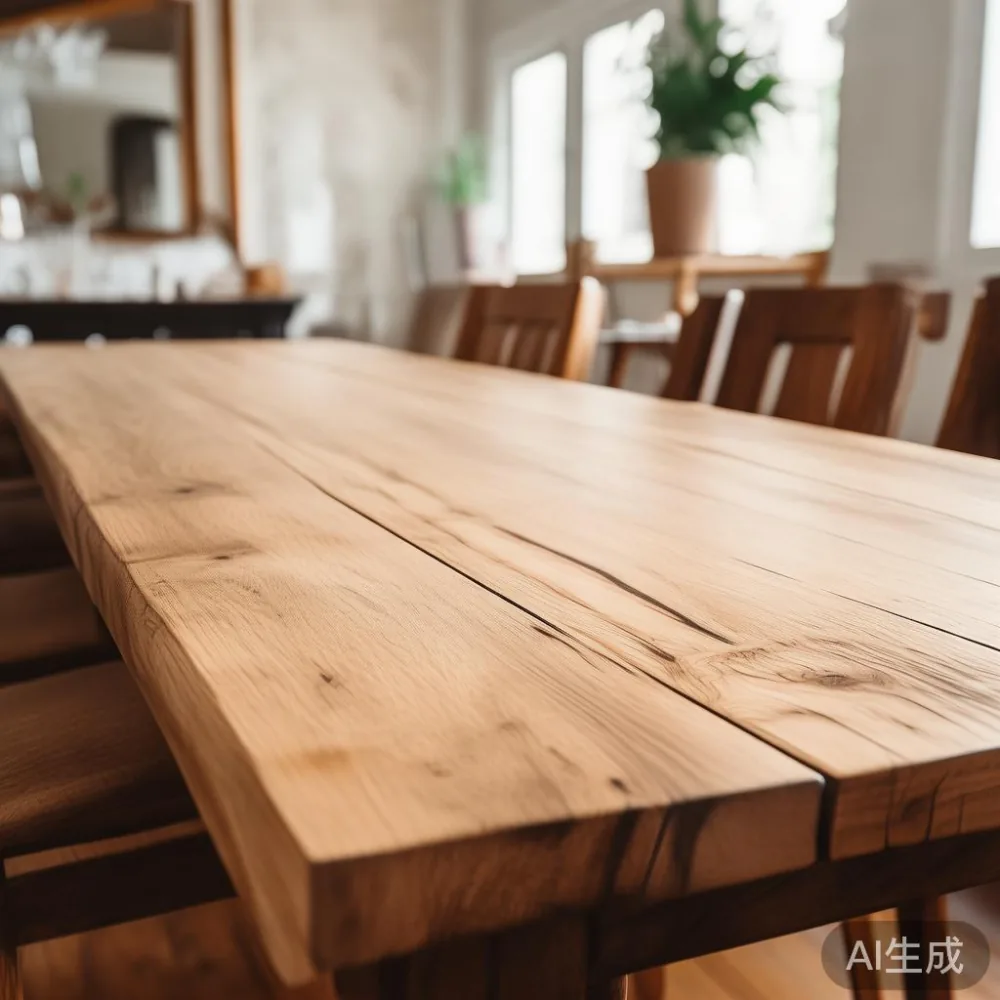
The Initial Investment: Upfront Costs in the Singapore Market
The most apparent difference between the two materials is the initial purchase price. A veneer dining table is significantly cheaper at the point of sale. A standard 160cm x 90cm veneer dining table from a local furniture store might cost between SGD 800 and SGD 1,500. This lower price tag is a primary attraction for homeowners furnishing a new flat or condo on a budget.
A solid wood dining table commands a higher price. A similar-sized solid wood dining table made from a durable hardwood like oak or acacia would typically start from SGD 2,500 and can go up to SGD 5,000 or more, depending on the wood species and craftsmanship. This initial outlay can seem steep, but it's important to view this as a long-term investment rather than a simple expense. The price difference is a reflection of the volume of solid wood used, the skilled labour required to craft it, and the inherent value of a natural material that will last for decades.
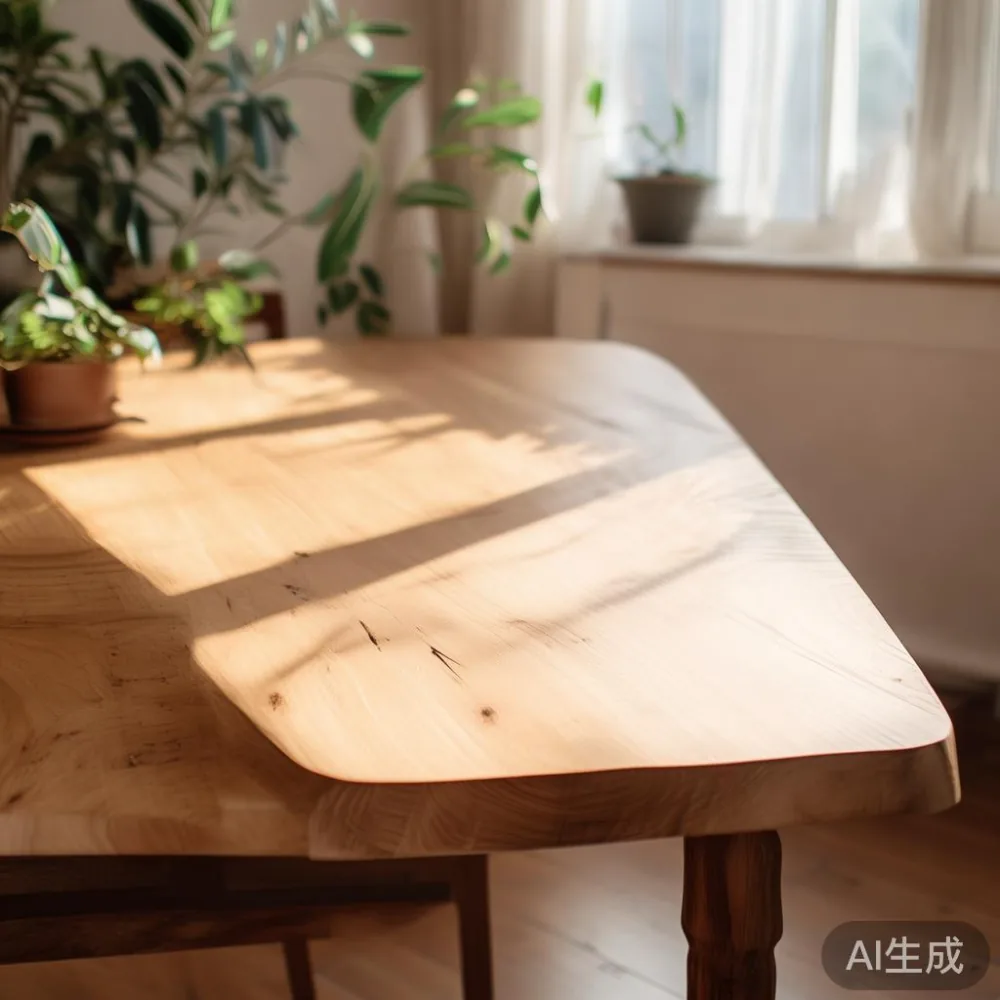
Year 1-2: Maintenance, Wear, and the Singapore Climate
The first two years of ownership are where the subtle differences begin to emerge. A veneer dining table, while looking perfect initially, shows signs of wear more quickly. The thin surface layer can be scratched by everyday items like keys, belts, or even the edge of a ceramic plate. These scratches are difficult to repair without professional intervention, as sanding down the veneer to remove a scratch risks sanding through the thin layer entirely, exposing the MDF underneath.
Solid wood dining tables are more forgiving. While they can also be scratched, the damage is less severe. Minor scratches can often be buffed out with a wood conditioner or a simple paste wax. More importantly, solid wood is more resistant to the effects of Singapore's climate. While all wood furniture is susceptible to humidity, solid wood's natural ability to 'breathe' allows it to absorb and release moisture more effectively than MDF, reducing the risk of warping. My colleague, Sarah, who lives in a Bedok HDB flat, noticed this firsthand. Last month, she mentioned how her 3-year-old veneer dining table started to develop a slight warp near a window, while her solid wood coffee table remained perfectly flat despite being in the same room.
Year 3-4: The Refinishing Crossroads
By the third or fourth year, a veneer dining table often reaches a point of no return. The surface may be heavily scratched, the veneer may be lifting at the edges, or the colour may have faded unevenly from sun exposure. At this stage, repair is often impractical and expensive. A professional repair to re-veneer a table can cost almost as much as a new table, making replacement the only viable option. This means the homeowner is back to spending another SGD 800 to SGD 1,500 for a new piece of furniture.
A solid wood dining table, however, enters its prime during this period. With proper care, it will have developed a beautiful, lived-in character. More importantly, it can be completely refinished. A professional refinishing service will sand down the entire surface to remove scratches, stains, and the old finish, and then apply a new layer of stain or lacquer. This process in effect makes the dining table look brand new. The cost for a full refinishing service for a dining table is typically between SGD 400 and SGD 700. This is a fraction of the cost of a new table and restores the furniture to its original beauty. This ability to be refinished multiple times over its lifespan is a key factor in its long-term value.
Is a Solid Wood Dining Table Really Worth the Extra Money?
This is the question many homeowners grapple with. The answer lies in the total cost of ownership over five years. Let's break it down with a concrete example based on Singapore prices. We will assume a 7% Goods and Services Tax (GST) is applied to all purchases.
Scenario A: The Veneer Dining Table
- Year 0 (Purchase): SGD 1,200 + 7% GST = SGD 1,284
- Year 3 (Repair/Refinish Attempt): A local carpenter quotes SGD 500 to fix lifting veneer and deep scratches. The result is suboptimal.
- Year 5 (Replacement): The table is deemed unusable. A new veneer dining table is purchased for SGD 1,300 + 7% GST = SGD 1,391.
- Total 5-Year Cost: SGD 1,284 + SGD 500 + SGD 1,391 = SGD 3,175
Scenario B: The Solid Wood Dining Table
- Year 0 (Purchase): SGD 3,000 + 7% GST = SGD 3,210
- Year 2 (Minor Maintenance): Application of a high-quality wood paste wax to fill minor scuffs. Cost: SGD 50.
- Year 4 (Full Refinishing): Professional refinishing service. Cost: SGD 600 + 7% GST = SGD 642.
- Total 5-Year Cost: SGD 3,210 + SGD 50 + SGD 642 = SGD 3,902
At first glance, the veneer table seems cheaper. However, this calculation misses a critical element: the value of the furniture still owned. At the end of five years, the owner of the solid wood dining table possesses a piece of furniture that has been restored to 'like-new' condition and has a remaining lifespan of 15-20 years. The owner of the veneer table owns nothing from their initial purchase and has just bought another piece with a limited lifespan. When factoring in the longevity and the joy of owning a timeless piece, the solid wood option offers a more sustainable and emotionally rewarding investment.
Long-Term Value and Aesthetic Appeal
Beyond the financials, a solid wood dining table offers an aesthetic and emotional value that veneer cannot match. The natural grain, the depth of colour, and the way solid wood interacts with light create a warmth and authenticity in a home. This aligns with the growing preference for luxury Modern light luxury furniture, which emphasizes natural materials and understated elegance over mass-produced looks.
The trend towards light luxury is evident in Singaporean homes, where people are investing in pieces that reflect a discerning taste. A solid wood dining table fits perfectly within this design ethos, whether it's a French light luxury style with ornate legs or a more American light luxury approach focusing on clean lines and rich, dark woods. It serves as a centrepiece for family gatherings, a surface for homework, and a backdrop for daily life. Its durability ensures it will remain a beautiful and functional part of the home for decades, a silent witness to the family's story.
Making the Right Choice for Your Singapore Home
For a homeowner in a Tampines HDB flat or a Punggol condominium, space is a consideration. A solid wood dining table, while heavier, offers structural integrity that a veneer table cannot match. You don't have to worry about a leg sagging over time or the tabletop bowing under the weight of a family dinner. The peace of mind that comes with a 10-year structural warranty, which is offered by some reputable makers, is a significant advantage. This warranty ensures that the core structure of your dining table is protected against defects, providing long-term security for your investment.
Also, the logistics of delivery are a non-issue with free shipping over SGD 350. A reputable company will handle the transportation and installation professionally, ensuring your new dining table arrives without a scratch. The 14-day return policy also provides a safety net, allowing you to confirm the table fits perfectly in your designated dining area before committing to the purchase.
Ultimately, the choice between a veneer and a solid wood dining table is a choice between short-term economy and long-term value. While veneer might seem like the budget-friendly option today, the cycle of replacement and repair over five years makes it a more expensive proposition. A solid wood dining table, with its initial higher cost but incredible durability and capacity for refinishing, proves to be the wiser, more sustainable, and ultimately more beautiful choice for creating a lasting home in Singapore.