How Southeast Asian Humidity Affects Your Solid Wood Dining Table
Singapore’s humidity is not an abstract seasonal issue for furniture buyers. It affects how timber expands, how joints behave, how doors align and how a dining table feels months after delivery. In HDB flats and private condos from Tampines to Bedok and Punggol, a solid wood dining table must cope with warm air, air-conditioning, occasional rain and repeated changes between those environments.
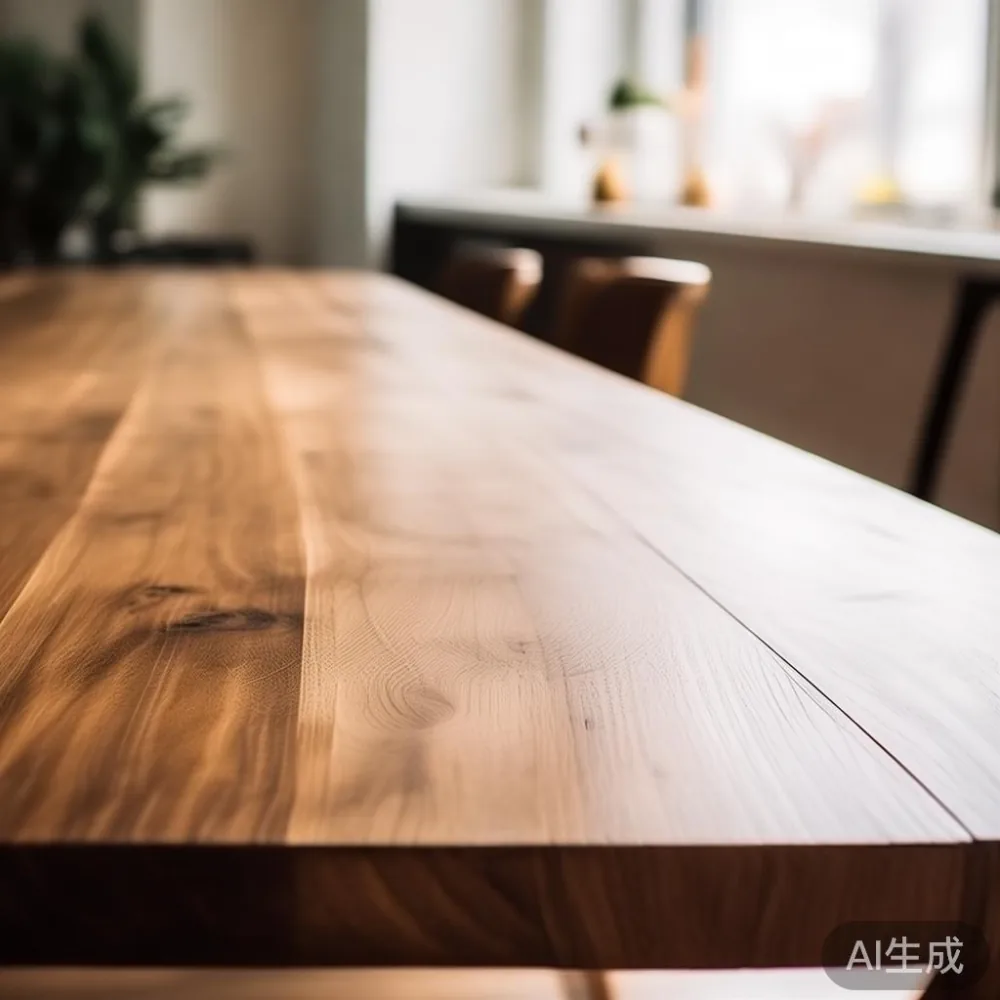
At MIDHILL, we build solid wood dining tables for real rooms rather than ideal showroom conditions. Our factory in Foshan has operated since 2008, and our furniture reaches more than 15 countries. A 10-year structural warranty reflects the joinery, while lifetime refinishing supports long-term care. Each table is also checked for practical delivery constraints: lifts, corridors, stairs and the limited turning space common in Singapore apartments.
This guide explains how relative humidity changes wood, where moisture problems tend to appear, how to select a stable dining table and what maintenance protects it. Prices discussed here are in SGD, and delivery timing depends on configuration and destination.
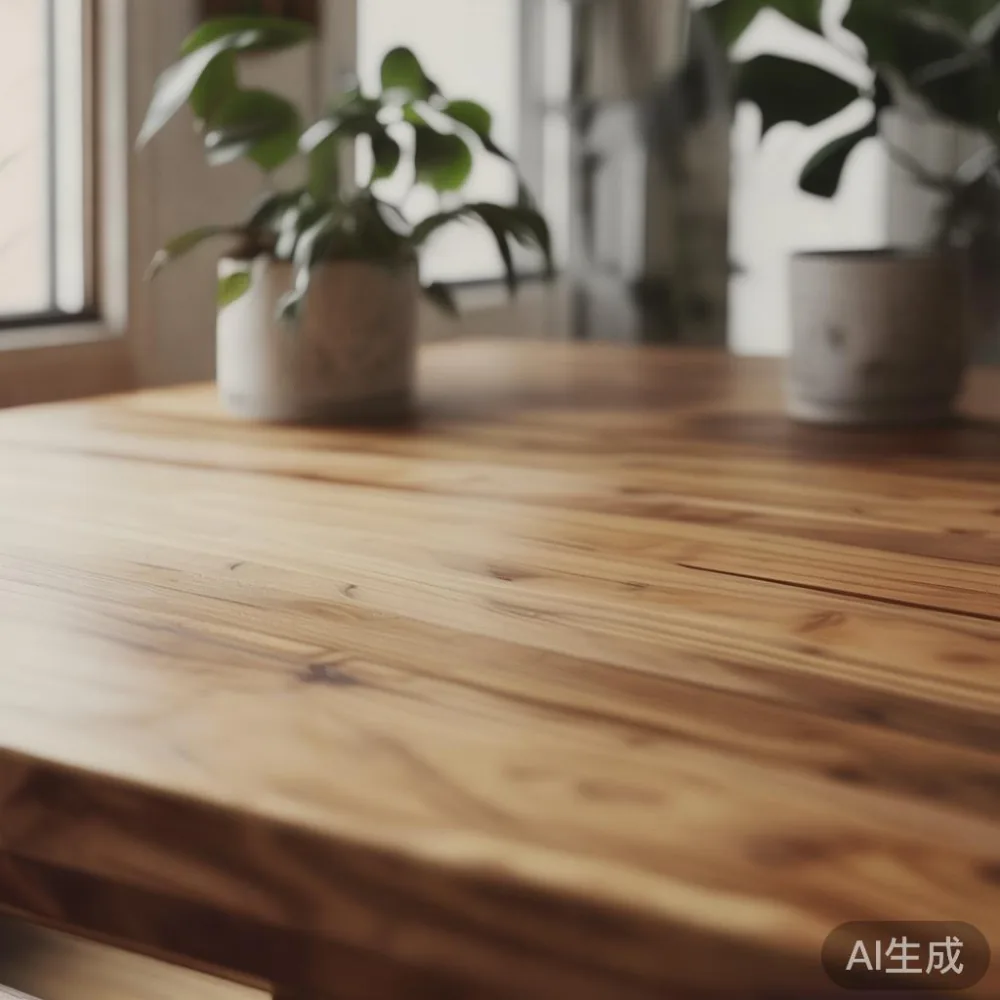
What humidity does to solid wood?
Wood is a natural, porous material. It gains moisture when the surrounding air is humid and loses it when air becomes drier. That movement changes the dimensions of the board. A timber board may vary by roughly 1–3% across its width under substantial seasonal changes, although the exact figure depends on species, grain direction, thickness and whether the material is solid, veneered or engineered.
The visible result is not simply “wood expanding.” Expansion along and across the grain can place stress on a tabletop frame, tighten a wedged joint or make a drawer feel tight. Later, when humidity falls and the timber contracts, the movement may reverse. Small gaps can appear where a joint was previously compressed. A surface that catches too much water can also stain, swell or develop a dull, uneven finish.
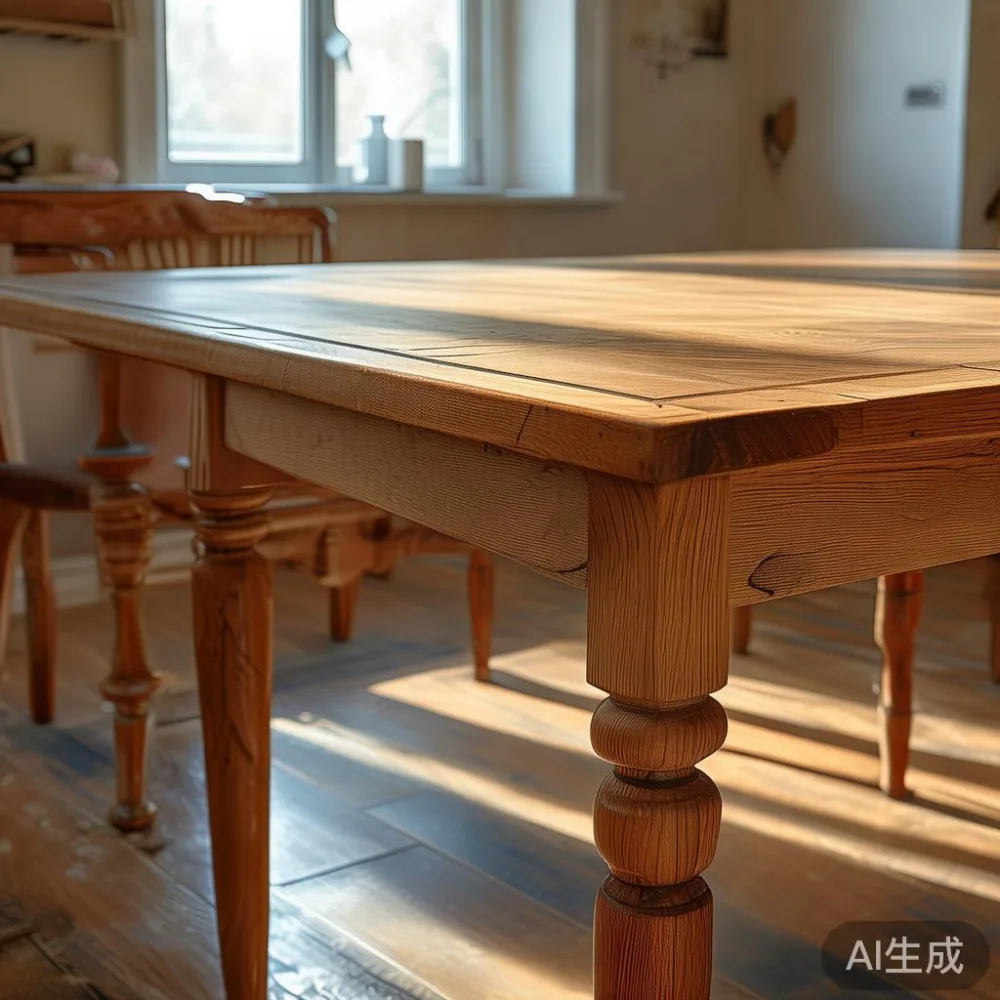
Singapore’s monthly average relative humidity often sits around 70–85%, with short periods near 90% during heavier rain. Air-conditioned interiors may fall to 45–60%, especially overnight. Air changes because a bedroom door opens, a kitchen is used or a balcony door remains closed can therefore expose one side of a dining table to different conditions from the other.
Seasonality matters too. In the wettest months, a table near an open window may absorb more moisture than the same table in a sheltered dining corner. During drier periods, heating or persistent air-conditioning pulls moisture from the surface. The most useful precaution is stable indoor conditions, not simply keeping the wood dry.
Can humidity damage a dining table made in Foshan?
A properly made dining table can tolerate Singapore conditions. The risk comes from design details and finishing mistakes, not from solid wood alone. Kiln-drying helps bring timber to a controlled moisture range before assembly. That range must suit the market where the furniture will be used. Dry wood used in a humid room can still absorb moisture later, so acclimatisation remains useful after delivery.
Our production approach uses controlled timber preparation, measured joinery and finishes selected for regular indoor use. A stable frame is particularly important because it supports a large top and resists racking. For solid wood dining tables, an apron-and-leg construction distributes loads through joints designed to move in controlled ways. The underside should be finished as carefully as the visible faces because condensation and cleaning can affect it too.
“How long should a new dining table acclimatise in my HDB flat before I use it?” is a question we are asked regularly. Allow approximately 7–14 days for the table to adjust to the room. Leave it unpacked from any moisture barrier, but do not place it directly against a wall, under a leaking window or beside a humid appliance. During the first week, move food and table runners gradually into place rather than loading the surface with a long heavy arrangement on day one.
In Tampines and Bedok, many dining areas sit near kitchens or service balconies. Punggol homes may have larger glazed living areas, which admit warm air during the day. Position the table at least 30–60 cm from an open window or persistent damp wall where possible. A simple hygrometer placed near the dining area gives a more useful reading than an outdoor weather report.
Which timber and construction choices suit Singapore homes?
Common dining table choices include oak, ash, beech, walnut and rubberwood. Each responds differently to moisture, so the species name alone does not determine stability. Dense hardwoods generally move less than softer, faster-growing timber, but the actual board width and joinery matter just as much. A wide solid top made from stable boards can perform well if it is supported properly.
For compact Singapore dining rooms, a rectangular dining table with a 160–180 cm length and 80–90 cm width usually offers practical clearance. Around a 160 cm table, leave at least 90 cm from a wall to each side where chairs must be pulled back. In a narrow HDB dining zone, a 140–150 cm table with a 75–80 cm width can create a less compressed route. Oval or round forms can ease circulation, although they usually seat fewer people for the same footprint.
European light luxury dining table design often combines pale oak or walnut with tapered legs, softened corners and restrained hardware. This is a light-luxury aesthetic, not a structure that ignores humidity. Fine detailing still depends on sound drying and fit. French light luxury and American light luxury share similar goals here: visually calm proportions, durable finishes and forms that feel considered rather than oversized.
One locally relevant style search is modern French provincial furniture, often used for dining rooms with gentle curves and crafted details. When interpreting that style for Singapore, compare the depth of aprons, the width of the top and the stability of the base. Decorative carving can trap moisture if poorly sealed, while deeply routed surfaces are harder to maintain. A close inspection under good light should reveal sealed end grain, clean joint lines and no unfinished patches.
The phrase Mid-century modern for apartment is also common among condo owners seeking generous shapes without heavy visual weight. Tapered legs, rounded corners and slim profiles suit a 90–120 m² apartment, but a narrow leg beside a frequently used chair can be knocked. Ask for protective leg pads or position the dining table where the route to the kitchen does not cross the chair zone.
How should I measure my HDB flat or condo for delivery?
Humidity protection begins before the table reaches the unit. A dining table may fit inside the lift but fail to clear the corridor turn or the front door. Measure the lift door width and height, the lift car’s diagonal, the corridor width and the narrowest turn. For example, a lift door measuring 90 cm may still restrict a 160 cm dining table because the tabletop must be tilted through the opening.
Record every obstruction from the ground-floor entrance to the dining area. A typical checklist includes 3 entrance steps or a lift threshold, 80–100 cm corridors and 85–90 cm doorways. If the route is uncertain, send photographs, a tape measurement and a marked-up floor plan to the delivery team before the order is dispatched.
Large tables may need partial disassembly. A knocked-down dining table can fit through tighter routes, but the hardware and frame must remain properly aligned after reassembly. Confirm who handles dismantling, carrying, unpacking and reassembly. For a floor with a service lift, reserve the times carefully and avoid the peak period of approximately 6–9 p.m.
“Will GST and delivery be added to the quoted price in Singapore?” is another frequent customer question. Ask for the final payable amount in SGD. A sample quotation might show a dining table at SGD 1,680, GST of SGD 114.24 and delivery at SGD 45, producing a total of SGD 1,839.24. Actual figures vary by model, finish, option and address. Orders over US$350 qualify for free shipping under MIDHILL’s stated delivery policy, although local taxes and any special carrying service can require separate confirmation.
Allow approximately 10–25 delivery days for a stock configuration and 25–45 days for a made-to-order dining table. Custom sizes, special finishes and complex hardware can add time. Once dispatched, the delivery window should be confirmed in writing. Customers generally have 14 days to return an eligible item, subject to the published return conditions.
How do I care for a solid wood dining table during humid months?
Place the table away from direct sunlight, steam, standing water and exterior walls with condensation. Maintain indoor relative humidity at roughly 50–65% where practical. A compact digital hygrometer costing around SGD 25–60 is sufficient for monitoring. If readings remain above 70% for long periods, improve ventilation and use the air conditioner in the dining area.
Clean the top with a soft, slightly damp cloth and dry it immediately. Avoid steam cleaners, ammonia, bleach and silicone-heavy sprays. Spills should be removed within 10–15 minutes. Use trivets beneath hot pans and coasters beneath cold drinks. A water ring can often be treated with a suitable wood-care product, but concentrated chemicals may remove colour or damage the finish.
Do not place a cloth or paper runner directly on the surface for days at a time. It can trap moisture against the finish. Rotate table runners and felt pads every 1–2 weeks, particularly between the wet and dry seasons. Felt pads under each leg reduce vibration, water transfer and stress on the joints. Check them monthly because compressed felt can leave marks or shift the table.
Refinishing is not a routine response to a humid week. Wait for the room to return to a stable range, inspect the surface and then decide whether maintenance or restoration is appropriate. MIDHILL offers lifetime refinishing for eligible purchases, which can extend the useful life of the dining table when scratches or finish wear occur. Structural problems, warping or movement should be documented with photographs and measurements before any repair is considered.
Is humidity only a problem for solid wood?
No. Veneer and engineered wood can also react to moisture, though their construction changes how the movement appears. A solid wood top may show small seasonal gaps or slight surface movement. Veneered panels may show edge wear, bubbling or delamination if moisture reaches the adhesive bond. Engineered boards can be dimensionally stable in one direction while still moving across exposed fibres.
Buyers comparing products should ask about the panel core, veneer thickness, backing method and edge sealing. Full-thickness solid timber provides material that can be sanded and refinished over time, subject to the original design. A high-quality veneered dining table can also suit an apartment, but it should not be described as solid wood simply because it has a wood surface.
The same care principles apply to related pieces. A solid wood sofa needs its frame protected from floor moisture, with legs raised on suitable pads. A bed frame should stand away from a damp wall, and a wardrobe should not be pushed tightly against condensation-prone surfaces. A nightstand near an open balcony door benefits from the same stable humidity target, while a marble table needs its stone surface and base checked for moisture-related staining or corrosion.
Design references often move between categories. For a bedroom, Mid-century modern for bedroom layouts can involve a compact bed frame, restrained bedside proportions and a nightstand that does not crowd a narrow walkway. For living rooms, a light luxury sofa vs Japandi sofa comparison is less about humidity than about proportion and maintenance, yet both should sit on moisture-resistant pads. In a dining setting, Vintage for dining room styling can pair a solid table with a carefully chosen bench, but the table’s stability and the wall clearance remain more important than decorative matching.
What should I ask before ordering a dining table for a humid climate?
“How will the dining table behave in Singapore’s humidity?” deserves a specific answer. Ask which timber is used, how it was dried, which construction supports the top, how the underside and edges are sealed, and what finish maintenance is recommended. A supplier should also explain how the table should acclimatise and how warranty claims are assessed.
Request actual dimensions rather than relying on a lifestyle photograph. For example, confirm that the top is 180 × 90 cm and 2–3 cm thick, or that the complete assembled height is 74–76 cm. Ask for the packaged dimensions, assembly requirements and expected delivered weight. A six-seat dining table may weigh approximately 45–80 kg depending on timber and construction, which affects whether the lift crew can move it safely.
Ask for a finish suited to frequent use. Dining tables should have a hard-wearing surface with repairable minor marks, while a raw or heavily textured finish may demand more care. Request samples if possible. Touch them, clean them and compare the sheen in daylight. For a light-luxury dining table, warmth and tactile quality matter, but resistance to water and food oils should guide the final choice.
Last month, I visited a customer’s three-bedroom condo in Punggol with my colleague to inspect a 200 cm European light luxury dining table that had been delivered that week. The air-conditioning was running and the nearby balcony door had been open during the afternoon. We measured the room at 24.8°C and 67% relative humidity with a calibrated hygrometer, then checked the top with a straightedge and moisture readings at several points. The table was stable, the joints were tight and no lifting was visible.
We also found a damp cloth trapped under one runner and a bowl that had been removed shortly after a spill. Neither had damaged the surface, but both showed why airflow and quick drying matter. My colleague adjusted the chair spacing from 55 cm to approximately 70 cm and moved the table 12 cm away from the glazed door. The visit confirmed that humidity rarely requires dramatic intervention; consistent placement, sensible cleaning and early attention to small changes usually protect the furniture.
A solid wood dining table for Singapore should combine controlled timber preparation, sound joinery, a serviceable finish and realistic room planning. By maintaining approximately 50–65% relative humidity, keeping the surface dry and allowing 7–14 days for acclimatisation, owners can protect both appearance and structure. The result is a dining table that feels suited to the home, remains comfortable through the year and can be maintained for many years rather than replaced after one humid season.