How to Match a Solid Wood Dining Table to a Warm Minimal Interior
A warm minimal interior does not need to look empty. It needs proportion, texture, light, and one or two pieces with enough character to anchor the room. For most Singapore homes, the dining table is that anchor. Whether the setting is an HDB flat in Tampines, a compact Bedok unit, or a newer Punggol condo with generous glazing, the right dining table can make 60-90 sqm feel intentional without crowding it.
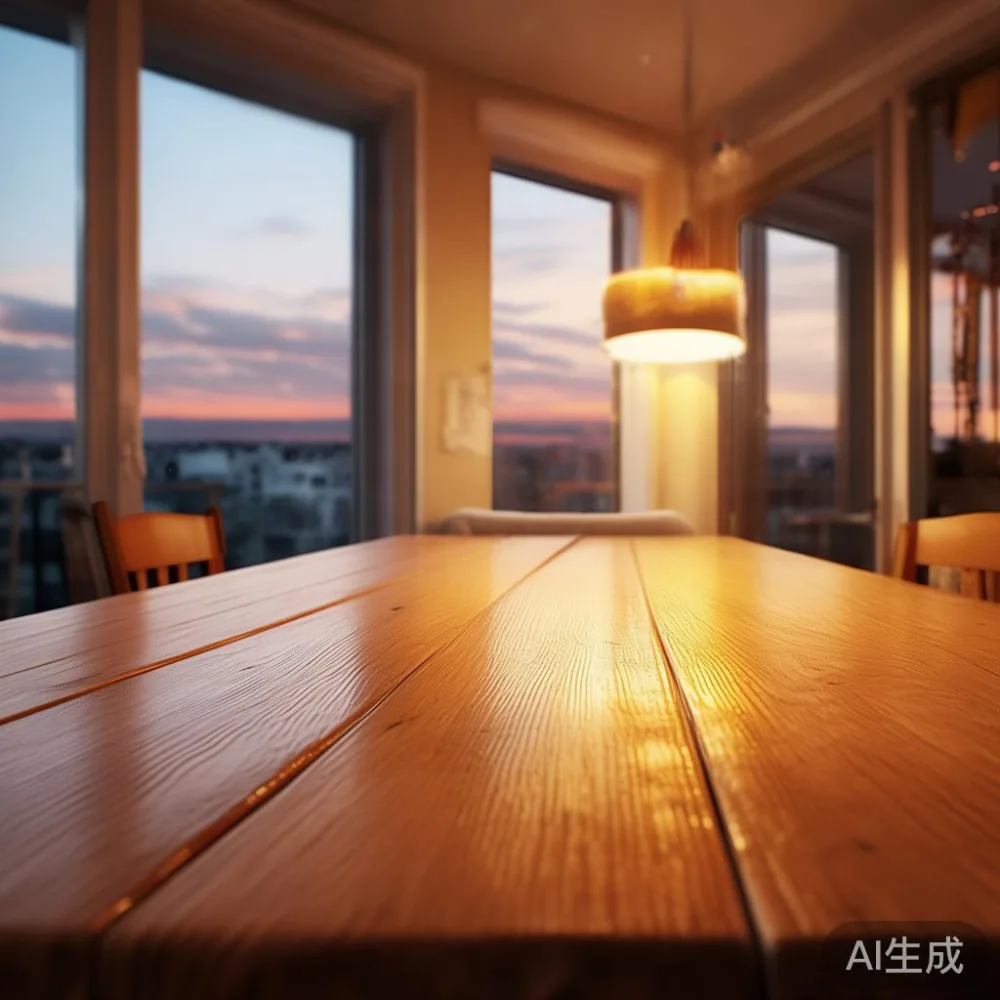
The word “minimal” describes the visual discipline, not the absence of warmth. Pale oak, honey-toned teak, rounded corners, matte finishes, and controlled colour contrast do more for this style than an aggressively stark room. Dimensions matter just as much: a 140 cm table may suit a compact dining zone, while a 200 cm table can make a larger condo feel calm and spacious.
This guide explains how to match a solid wood dining table with warm minimal interiors, including measurements for HDB dining areas, lift and corridor planning, material combinations, and buying checks. MIDHILL is a Foshan solid wood furniture maker established in 2008, with furniture exported to more than 15 countries. Its dining tables carry a 10-year structural warranty, and refinishing service is available for the lifetime of the product.
What makes a warm minimal interior feel warm rather than austere?
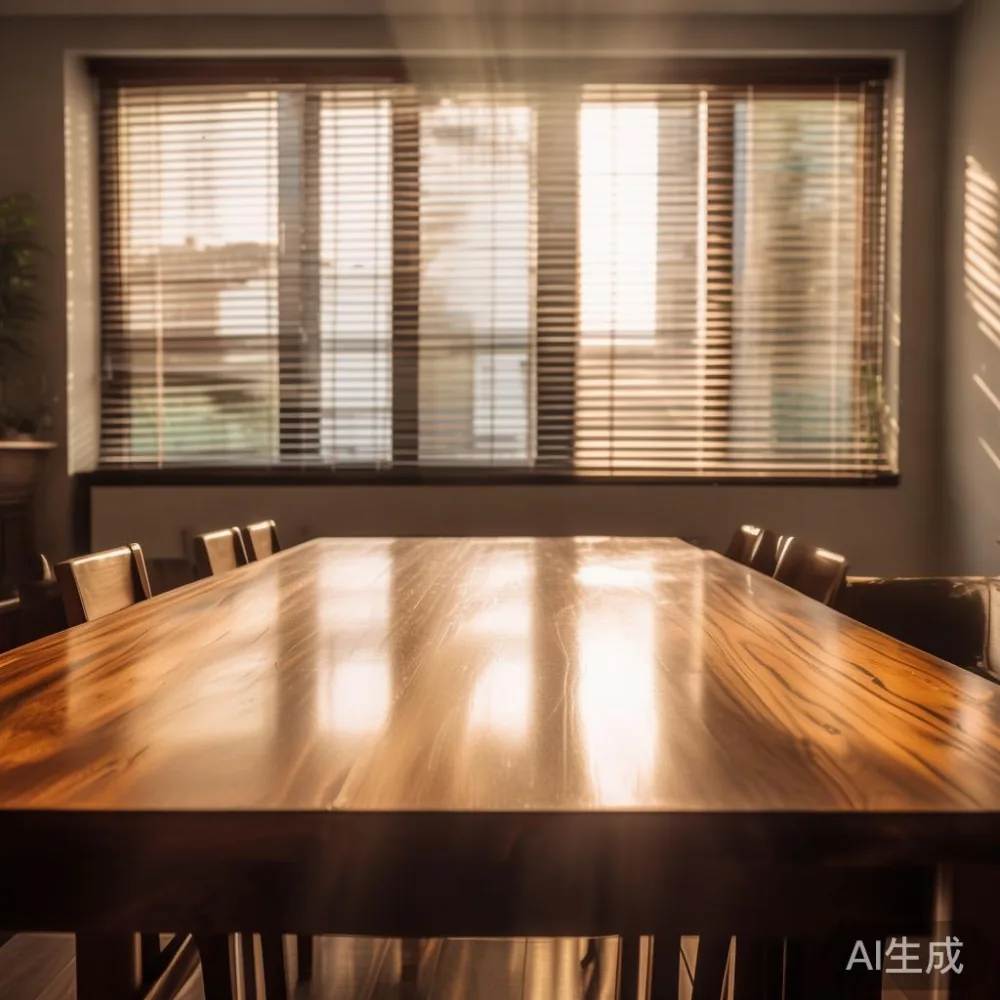
Warm minimalism is built around a limited palette but avoids matching every surface. A warm neutral wall, a pale timber floor, off-white upholstery, and one darker wood tone create depth without visual noise. For a Singapore home, paint colours such as oatmeal, warm putty, soft taupe, or muted clay work well because they soften the strong daylight common in east-facing Tampines units and glass-heavy Punggol condos.
Balance hard and soft materials around the dining table. The table supplies structure; a woven runner, linen curtains, ceramic vessels, and upholstered chairs prevent the room from feeling clinical. Keep the number of tabletop accessories reasonable: one low centrepiece under 25 cm high, two small bowls, or a single branch arrangement is enough for an 160 cm table.
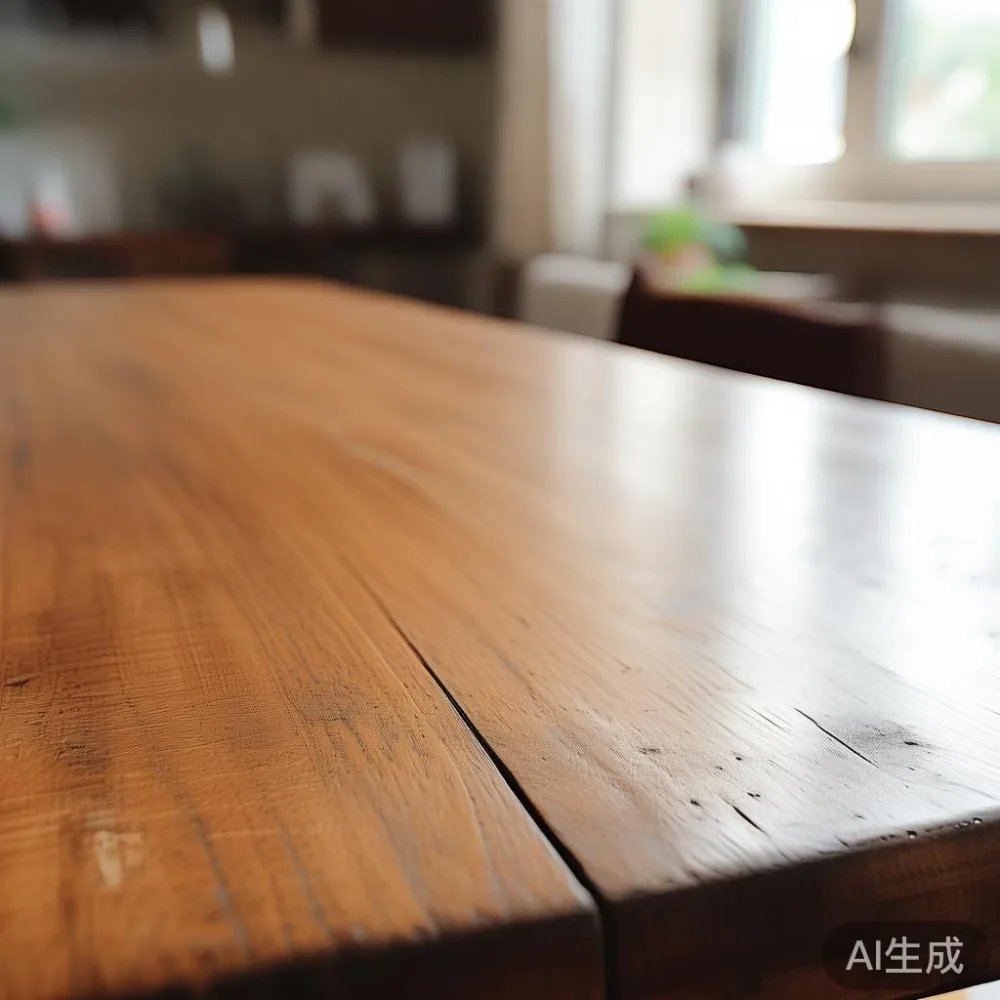
Metal should remain quiet rather than decorative. Matte black legs can sharpen a pale oak dining table, while brushed brass handles can warm a darker walnut finish. Avoid combining more than 3 dominant finishes in one visible area—for example, oak, black metal, and brass are already a coherent trio.
Light is equally important. A warm 2700-3000 K pendant centred roughly 60-75 cm above the tabletop creates a comfortable evening pool of light. If the dining table is offset from the apartment’s main ceiling light, add a wall light or a small table lamp within a 2-3 metre line of sight. This layered approach is often more convincing than fitting a brighter, cooler fitting.
Which dining table shape works best in an HDB flat or condo?
For narrow HDB dining areas, a rectangular dining table with rounded corners is usually easier to move and less likely to feel severe. Leave at least 90 cm of clear circulation behind occupied chairs and 75 cm between the table edge and a wall when people need to pass. In many Tampines and Bedok layouts, a 120-140 cm table for 4 people is more practical than a 160 cm table for 6.
Allow 55-60 cm per diner. A 140 cm table comfortably seats 4 with modest elbow room; adding 2 guests may work for short meals but becomes uncomfortable for daily use. A 160-180 cm table usually seats 6, while a 200-220 cm model can seat 8. These are useful planning figures, not guarantees, because chair style, serving dishes, and body size affect personal space.
Rounded rectangular tables are particularly useful beside a straight kitchen wall because they soften the route from the dining zone to the sink. Oval dining tables suit circular or curved-plan homes and improve conversation because there are no corners. Square tables of 90-110 cm work for 4 in a square dining zone, but they can feel tight if the surrounding route is narrower than 90 cm.
Check the actual chair position, not just the bare table footprint. A dining table that measures 180 cm by 90 cm may require a 270 cm by 180 cm usable zone once chairs are pulled back. In a compact condo, ask the supplier for the chair clearance diagram rather than estimating from a catalogue image.
How do lift and corridor widths affect dining table delivery?
Before ordering, measure the route rather than relying on the size of the dining area. Record the home entrance width, lift door width, lift car depth, lift height, corridor turns, and the narrowest doorway. A common residential lift has an internal width of about 90-110 cm, but this is not a universal rule. The dining table may enter diagonally, and removable legs can reduce the package dimensions.
A rectangular dining table with detachable legs is easier to transport than a fixed pedestal design. For example, a table that arrives as 2 tabletop sections of 90 cm by 100 cm may fit through an 80 cm doorway after turning, while the assembled table can still provide a 180 cm seating length. Ask for the largest packaged section, including the length of each leg and packaging material. Allow another 5-10 cm for packaging tolerances.
Protection during the move matters. The table should be wrapped in foam or felt, corners reinforced, and hardware bagged separately with a label. If the lift project requires two people, budget about SGD 25-80 for the mover depending on the building, distance, and waiting time. HDB blocks may also have peak-hour restrictions, so weekday delivery between 9.30 a.m. and 12 noon, or 2.30 p.m. and 4.30 p.m., can be more efficient.
MIDHILL offers free delivery in Singapore for orders over US$350, as stated on its international store, with an estimated dispatch window of 7-14 working days after production. Local GST and any final delivery or building-access charges should be confirmed at checkout. For measurements or a delivery quotation, midhillco@gmail.com is the direct contact.
Which solid wood finish suits Singapore humidity and warm minimalism?
Solid wood dining tables should be chosen for grain, joinery, and stability, not merely for a beige colour photograph. Oak gives a pale, quiet base and suits French light luxury or post-modern light luxury rooms. Walnut has deeper colour and creates stronger contrast with cream walls. Teak and other durable hardwoods can suit humid conditions, but every species still needs sensible indoor humidity management.
Singapore’s outdoor relative humidity can move through the day, and air-conditioned interiors may become quite dry. A practical target is roughly 40-60% relative humidity, with stable indoor temperature around 22-28°C. Solid timber expands and contracts as moisture changes. Avoid placing the dining table directly beside an open balcony door, under an air-conditioning vent, or against a damp kitchen wall.
A matte oil or hardwax finish gives warm minimalism a tactile quality without the high gloss associated with formal interiors. It also makes small marks easier to manage than a very reflective lacquer. Natural oil finishes need periodic care: wipe spills promptly, use a damp cloth rather than a soaked one, and avoid abrasive pads. Renovation dust should be removed with a soft cloth because grit can dull an oiled surface.
Compare samples in the room under both daylight and evening light. A pale finish that looks creamy in a catalogue can become yellow under warm bulbs, while a medium oak can appear grey beside cool-white walls. Test at least 2 finishes if the supplier offers them, and view them beside your floor, wall paint, and chair upholstery.
How should chairs and lighting be coordinated with the dining table?
The dining table establishes the centre, but the chairs determine whether the arrangement feels generous. Low-backed upholstered chairs keep sightlines open and work well with an oak dining table. Fully upholstered seating can introduce a solid wood sofa, bed frame, wardrobe, or nightstand elsewhere in the home without creating a different material story. In a compact flat, upholstered chairs may be easier to coordinate with one fabric than 6 different wood finishes.
Choose a chair with a seat width of about 45-52 cm and a table apron no more than 20-25 cm below the top for comfortable legroom. Round chair legs preserve space visually; slim tapered legs make a substantial table feel lighter. A cushion colour can echo the walls by 1-2 shades lighter, or contrast through a muted olive, clay, or slate textile.
For lighting, a single pendant works over a narrow rectangular dining table if its shade is narrow and elongated. A broad dome is better above a round or square table. The lower edge of the pendant should sit around 65-80 cm above the tabletop, based on the shade size and room height. At least 300-500 lux over the dining surface provides useful task lighting, though the perceived brightness also depends on the lamp output and colour temperature.
Do not buy the table as a standalone object. Sketch the chair pull-out zone, pendant position, and 60 cm walking route on paper. The dining table should remain the visual focus, while the lighting and chairs quietly support it.
What should I check before buying a solid wood dining table?
Check the construction details, commercial terms, and after-sales support in writing. Solid wood should be identified by species and component, with veneer, plywood, and solid timber distinguished clearly. For a dining table, look for stable joinery, secure leg attachments, even gaps, and a top that is not visibly warped. If the model uses a separate solid wood top and a stable base, ask how the base is fixed and how expansion is managed.
Measure the table and the delivery route together. Confirm whether the legs detach, how many people are required for assembly, and whether the packaging can be removed without scratching the flooring. A careful delivery team should lift rather than drag the table, protect the corners, and assemble it in the dining area. Photograph the condition before unpacking if the tabletop is delivered in several sections.
Review the warranty and return terms. MIDHILL provides a 10-year structural warranty and lifetime refinishing for its qualifying furniture, which can extend the useful life of a solid wood dining table. The company also offers a 14-day return policy. Confirm whether a made-to-order finish, a special-size table, or a delivery-related restriction changes those terms before paying.
For practical planning, a Singaporean household might spend SGD 900-1,600 on a mid-range solid wood dining table for 4, SGD 1,600-2,600 for a 6-seat model, and more for a large 200 cm design or specialised finish. These ranges are for comparison, not fixed market prices. GST, usually 9% in Singapore, may be added to displayed prices at checkout.
Can one dining table work in both an HDB flat and a larger condo?
Yes, if the design is restrained and the dimensions suit both plans. A 140-160 cm rectangular dining table with softened corners can suit 4 in a compact HDB dining space and 6 in an open-plan condo. Avoid a fixed pedestal or oversized carved base if the table may need to pass through a narrow corridor. A simple apron-and-leg construction is visually light, physically practical, and compatible with warm minimal interiors.
One neutral finish also travels well. Pale oak suits Scandinavian, French light luxury, and American light luxury styling; a warmer walnut works with leather, linen, brass, and dark timber accents. This makes it easier to use the same dining table after moving, since the surrounding room can change without the main piece looking out of place.
If you are researching broader design references, the phrase top 10 Post-modern furniture can help identify restrained forms, while french sofa gallery photos are useful for studying the pale woods, curved edges, and cream upholstery associated with French styling. A comparison of European light luxury sofa vs Italian light luxury sofa may also inform fabric choices for chairs or nearby seating, even though the dining table remains the key piece.
Some projects are more decorative than minimal. The phrase 2026 French provincial furniture points to carved details, warm timber, and upholstered forms, providing contrast with the cleaner lines used here. Likewise, a search for the best Mid-century modern wardrobe for 2026 can help with storage finishes and tapered-leg profiles, while a listing for sale Rustic furniture can provide useful grain references without overwhelming the room.
How can a dining table be styled without making the room feel crowded?
Begin with the table’s proportion, then add only what supports the meal. On a 120-140 cm table, use a narrow runner of 30-40 cm, 1 centrepiece, and 2-4 place settings. On a 160-180 cm table, allow 45-60 cm of decorated length at the centre and leave the ends visually open. This prevents the table from becoming a display surface, particularly in a dining zone adjoining a compact kitchen.
Use 3 material families: timber, ceramic or glass, and textile. A ceramic vase in sand or warm white, a linen runner, and one small brass bowl are enough. Keep the arrangement low enough for conversation and place it slightly off-centre if it helps preserve the room’s architectural axis.
Finally, check the table at 3 moments: daylight from the main window, dinner lighting, and the normal route from kitchen to balcony. At night, the table should not produce harsh glare on chairs or adjacent walls. During the day, its finish should not look flat against the floor. During movement, chair backs should not strike a cupboard or obstruct a 75-90 cm passage.
That practical test often matters more than a perfect mood image. A warm minimal room succeeds when every large object has breathing room, the materials feel tactile, and the dining table makes everyday meals more comfortable. Measure first, compare finishes in place, and choose a solid wood construction that suits the home’s actual dimensions.