How to Match a Dining Table to a Warm Minimal Interior
A warm minimal interior is not an empty room. It is a carefully balanced space where pale timber, soft textiles, controlled lighting and a few useful objects create comfort without visual noise. The dining table is the natural starting point because it establishes both the practical centre of the home and the character of the room. A well-proportioned dining table can make a compact Singapore flat feel generous, while the wrong scale can make even a roomy condominium feel crowded.
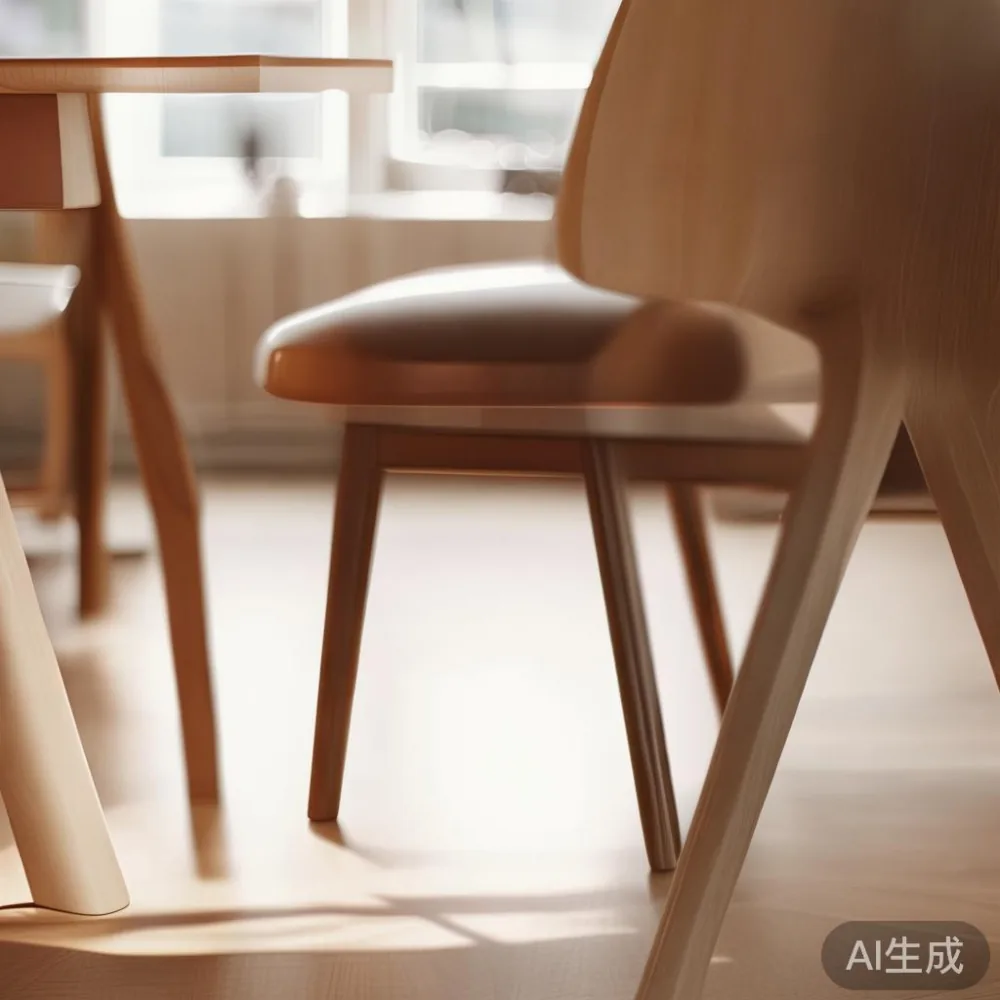
For Singapore homes, the design decision must account for HDB dining bays, condominium layouts and the physical journey from the lift to the dining area. A table may look comfortable in a showroom yet be awkward to manoeuvre through a 90 cm lift door or along a narrow corridor. Measurements, material finish and delivery planning matter as much as appearance.
What makes a dining table suit a warm minimal interior?
Warm minimalism works through contrast: light oak or ash against warm white walls, matte black details against pale timber, and natural fibres against smooth surfaces. The dining table should feel substantial enough to anchor the room, but not so visually heavy that it dominates a compact space. A rounded rectangular top with softly eased corners often balances these demands better than a sharply geometric design.
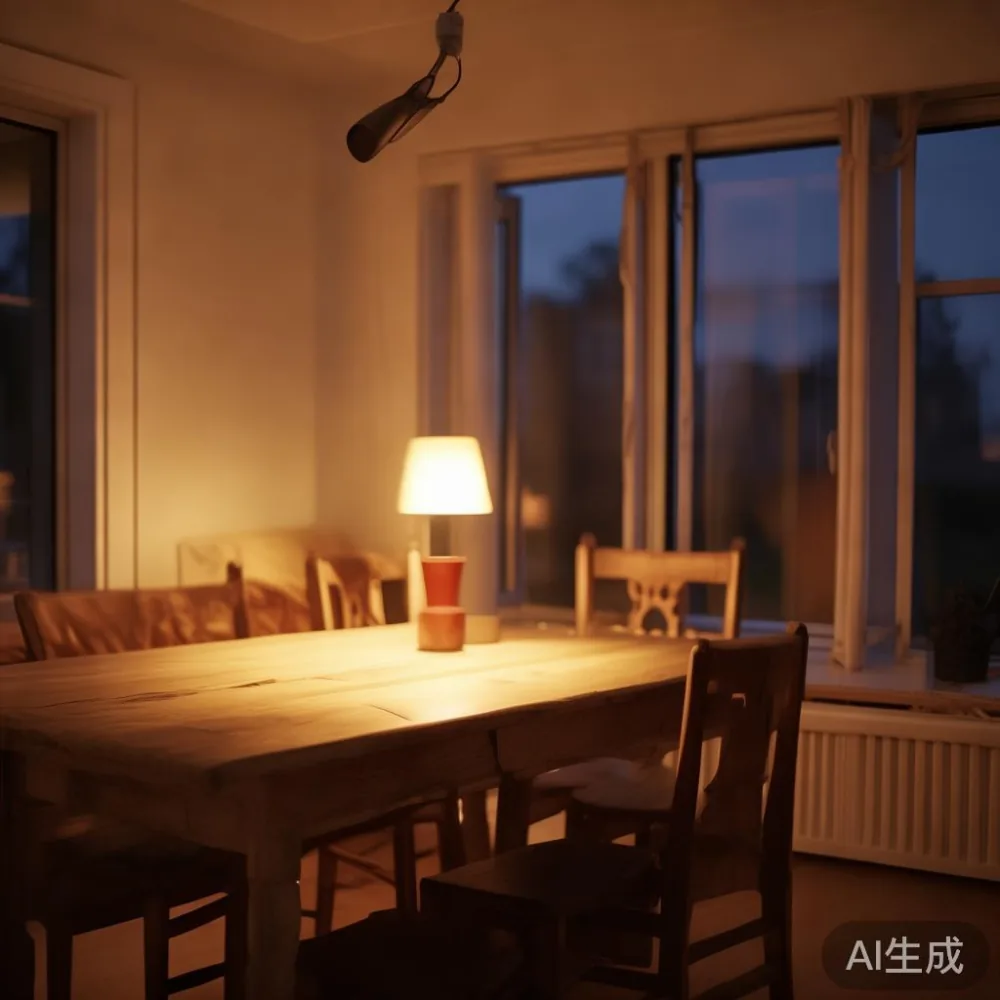
Scale is the first consideration. In a 220 cm by 280 cm dining bay, a 160 cm to 180 cm long dining table leaves approximately 30 cm to 60 cm on the longer sides and around 20 cm to 30 cm at the ends. That may be enough for circulation without generous chair movement. For an open-plan condominium where the dining zone sits beside a kitchen island, a 140 cm to 160 cm table may preserve a 90 cm passage between the two. For narrow HDB dining recesses, a 120 cm to 140 cm table can still work if wall-to-wall space is below 200 cm.
Material is the second consideration. Solid oak gives warmth, grain variation and durability. White oak is light but structured; walnut reads richer and darker; ash has a lively grain and a slightly more Scandinavian character. If the floor is cool grey tile, a warmer timber top can keep the room from feeling clinical. If the flooring is already warm oak, slightly deeper or more textured pieces can prevent the table from disappearing into the setting.
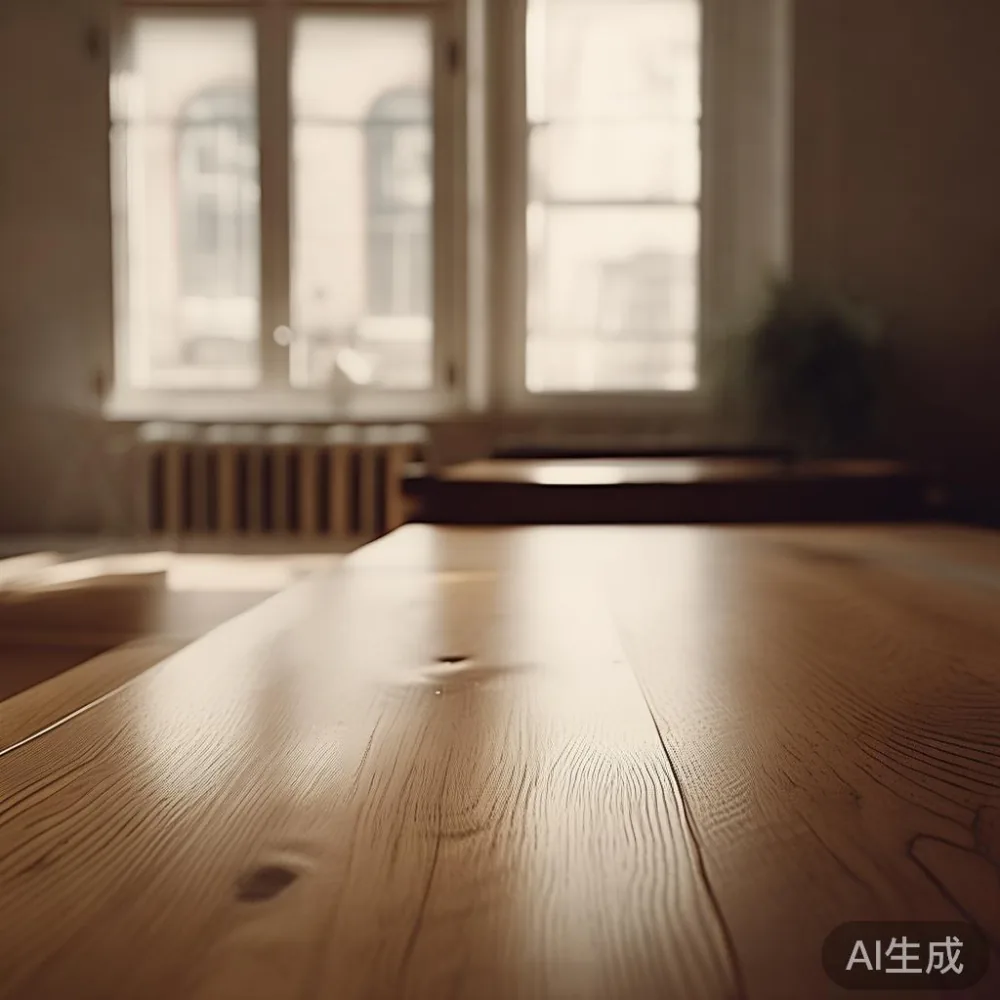
Profiles also affect the atmosphere. A slim apron and tapered legs create visual breathing room beneath the table, while a thick slab or two pedestal supports can make the piece feel grounded and architectural. French light luxury often uses elegant proportions, pale upholstery and refined bronze accents, whereas American light luxury favours generous seating and tactile upholstery. A post-modern light luxury dining table might pair an oval top with sculptural supports, bringing gentle character without overwhelming a restrained room.
Singapore’s climate adds another layer. A dining table near a balcony or west-facing window may experience strong afternoon light. Choose a finish that tolerates changing humidity and can be maintained without excessive fuss. Ask about the timber species, moisture treatment, finish system and care instructions. MIDHILL offers a 10-year structural warranty and lifetime refinishing, which can make long-term ownership more practical than treating the dining table as a disposable décor item.
How do I measure a dining area before choosing a dining table?
Begin with the room, not the product photograph. Measure the wall-to-wall width in 3 places, including the narrowest point near pipes, radiators or skirting boards. Measure the usable length from the wall to any projecting cabinet, window ledge or kitchen counter. Record ceiling height as well. A dining table that is excellent at 240 cm high may feel oppressive in a room with a 230 cm ceiling after guests stand up.
For everyday use, allow at least 60 cm of clearance behind each seated guest. In compact HDB flats, 55 cm to 60 cm may be the practical compromise, provided chairs can be moved without scraping the wall or blocking a door. The dining table should not sit directly in the path of a sliding door. In open-plan units, preserve a 90 cm circulation route where possible, especially if the table is close to the kitchen or a sideboard.
Next, calculate chair space. A 180 cm rectangular table comfortably seats 6 people at about 55 cm to 60 cm per person. A round table with a 150 cm diameter also seats 6, but requires more floor area around its curved edge. A 120 cm round table generally suits 4, while a 140 cm round model can accommodate 4 or 5 depending on chair dimensions. These figures are more useful than relying on a showroom impression.
Access should be checked before ordering. Standard HDB lift openings are often about 80 cm to 90 cm wide, though individual blocks vary. Condominium service lifts may accommodate larger pieces but often require booking. A 180 cm dining table may need to enter diagonally, while a round top can separate from its base. Ask the supplier for the dismantled dimensions and the weight of each component. A 75 kg solid wood table may require 2 people and a trolley; a 95 kg table may require 3.
Corridor turns, staircase widths and the distance from the lift lobby should all be documented. Add 10 cm of tolerance to the largest measurement. For deliveries to Tampines, Bedok or Punggol, requesting a specific delivery window can reduce the disruption caused by waiting in common corridors.
Can a solid wood dining table make a small Singapore home feel warmer?
Yes, if the proportions and finish are handled with restraint. Solid wood has visual depth that flat-pack veneer can lack, and a hand-sanded edge catches light softly. Warm minimalism does not require pale furniture everywhere. A medium-oak dining table can sit comfortably against white walls, while a dark walnut table can provide focus in an all-white condo interior.
For an HDB flat with a compact dining alcove, choose a 140 cm table with straight legs positioned close to the ends. Avoid broad corner blocks that interfere with knees or chairs. If the table must sit beside a window, check whether the timber will receive direct sun for more than 2 hours each afternoon. UV exposure can fade the surface over time, so blinds or a separate window treatment are useful.
Pair the table with fewer, stronger accessories. One pendant light centred about 75 cm to 85 cm above the tabletop creates a warm pool of illumination. A ceramic vessel, 2 linen napkins and a shallow bowl can make the surface inviting without turning it into a display area. Keep the centre clear if the table doubles as a homework station during the week.
The wider room can include a solid wood sofa, bed frame, wardrobe or nightstand in coordinated timber, but the dining table remains the visual anchor. This restraint is central to warm minimalism. When every piece competes for attention, the room feels busy. When materials relate but shapes differ, the space feels composed.
There is also a style comparison to consider. If the home has clean lines and restrained ornament, a Japanese sofa vs French provincial sofa decision often comes down to form: Japanese-inspired seating tends to stay low and visually simple, while a French provincial sofa brings curves, arms and decorative detail. In either case, the dining table should complement the seating rather than repeat it exactly.
How do I coordinate a dining table with flooring, lighting and chairs?
Start with a three-colour method: one dominant neutral, one timber tone and one accent. For example, warm white walls, pale oak flooring and matte charcoal dining chairs create clarity. A beige rug beneath the table can soften the arrangement, but size matters. A 160 cm dining table often works with a rug measuring 200 cm by 300 cm, leaving approximately 20 cm of exposed floor on each side. In a small HDB bay, a 160 cm by 230 cm rug may be more manageable.
Lighting should be warm but not yellow. Around 2700K to 3000K suits most warm minimal interiors, especially with oak and linen. A single pendant can define the dining zone in an open-plan condo without adding more ceiling clutter. If a dining table sits beneath a downlight, check for multiple shadows across the surface; a central fixture usually gives a cleaner look.
Chair height is easy to overlook. The seat should tuck beneath the dining table with roughly 25 cm to 30 cm of clearance between the seat and the underside. A 45 cm to 48 cm chair back is usually appropriate for a 74 cm to 76 cm high table. Upholstered seats in oatmeal, camel or muted olive add warmth, while black frames provide graphic definition.
Consider the larger bedroom and living products only as contextual references. A solid wood bed frame in matching oak can establish a consistent material story, while a marble table in the living room can contribute cool contrast without making the dining area inconsistent. A wardrobe in a slightly deeper tone can visually frame a pale dining alcove. These combinations follow post-modern light luxury, where different periods and textures coexist through proportion and discipline.
For shoppers browsing broader collections, Nordic for dining room ideas often centre on pale timber, simple legs and functional forms. Similarly, under 2000 Mid-century modern furniture searches may lead towards tapered legs and compact silhouettes. The exact price depends on timber, dimensions and finish, so compare the product specification rather than relying on a category label alone. MIDHILL furniture ranges across export markets, with delivery to Singapore and GST applied according to the final order details.
What should I check before ordering and receiving a dining table?
Check the dimensions as a complete set: tabletop length, width, thickness, leg clearance and height. Also confirm whether the table extends, how the leaves are stored and whether the extension mechanism projects beyond the base. A 160 cm table extending to 200 cm may need 3 or 4 extra place settings, but the hardware should remain stable and the leaves should match the grain as closely as production allows.
Ask about the finish and maintenance. Sealed, lacquered or oil-treated surfaces respond differently to heat, water and cleaning. Place a trivet beneath hot pans and wipe spills promptly rather than relying on the finish to resist damage. Keep the table away from air-conditioning vents where possible, as direct airflow can accelerate surface changes.
Delivery is a design decision too. Standard furniture delivery can take 7 to 14 days after production, while made-to-order pieces may require 4 to 8 weeks. Confirm the lead time in writing, especially for stained timber or unusual dimensions. Have someone available to receive the table, inspect the cartons and direct the installers.
On arrival, check the tabletop for movement, cracks, finish marks and mismatched leaf alignment. Many deliveries take 10 to 20 minutes to move a dining table from the corridor into the room, but lifts, parking and access can alter the total time. Ensure the route is clear and protect doorframes with cardboard or protective sheets.
Price should be compared with ownership, not only purchase cost. A table around SGD 1,800 to SGD 3,500 may suit a larger home, while SGD 1,200 to SGD 2,000 options cover many compact dining spaces. MIDHILL provides free shipping for orders above US$350, though the Singapore delivery charge and GST should be confirmed before payment. Returns are accepted within 14 days under the applicable conditions, so inspect the piece before use.
Which dining table style fits your warm minimal home?
A rectangular dining table is the most flexible choice for Singapore homes because it can sit against a wall or define an open-plan zone. Choose a 160 cm to 180 cm model for 4 to 6 people in a dining recess measuring at least 220 cm on the longest usable wall. A round dining table works well when conversation is the priority, but it needs more clearance around the edge and should not sit in a tight route.
An oval dining table combines the social comfort of a round shape with a slimmer profile. It can fit neatly into a bay with one rounded end, although the straight opposite end still requires planning. A pedestal dining table frees the corners and can make a 200 cm by 220 cm space feel less constrained, but the pedestal needs enough room for chairs to slide in.
For people considering adjacent bedroom or living pieces, the best Vintage bed for 2026 depends on the room’s proportions and floor clearance, while the best European sofa for 2026 search should prioritise seat depth and doorway access. These are separate furnishing decisions from the dining table, but repeating one timber tone can make the home feel unified.
The final style depends on your architecture and routines. French light luxury may suit a condo with tall ceilings and classic cornices. American light luxury may work with generous rooms and plush seating. Post-modern light luxury can bridge sculptural forms and clean architecture. Regardless of direction, one well-scaled dining table, comfortable chairs and warm lighting will do more for a minimal room than several decorative objects.
Last month I visited a colleague’s 3-room HDB flat in Tampines and tested the practical side of this process. Their dining recess measured 205 cm by 240 cm, with a usable table width of 178 cm after skirting clearance. A 170 cm solid oak dining table with 4 slightly tapered legs seated 4 comfortably, and moving it from the service lift took about 12 minutes. The lift opening was 86 cm, so the round top had to be turned diagonally. That single measurement changed the final order from 190 cm to 170 cm, and the room immediately felt less compressed.
Warm minimalism succeeds when proportion is generous and possession is controlled. Measure the room, account for the route home, choose a timber finish that softens the architecture and give the dining table enough space to function. The result is not merely a place for meals; it is a calm centre that can support daily life for years.