How to Read a Furniture Warranty Without Getting Caught Out
A dining table warranty can look generous on a showroom screen and still leave a Singapore household with an expensive surprise. The real test is not whether the document says “10 years”; it is whether the coverage, exclusions, claim procedure, and delivery terms work with the table you actually bought. For shoppers furnishing an HDB flat in Tampines or a condo in Bedok or Punggol, dimensions, access, and GST can matter just as much as the headline warranty period.
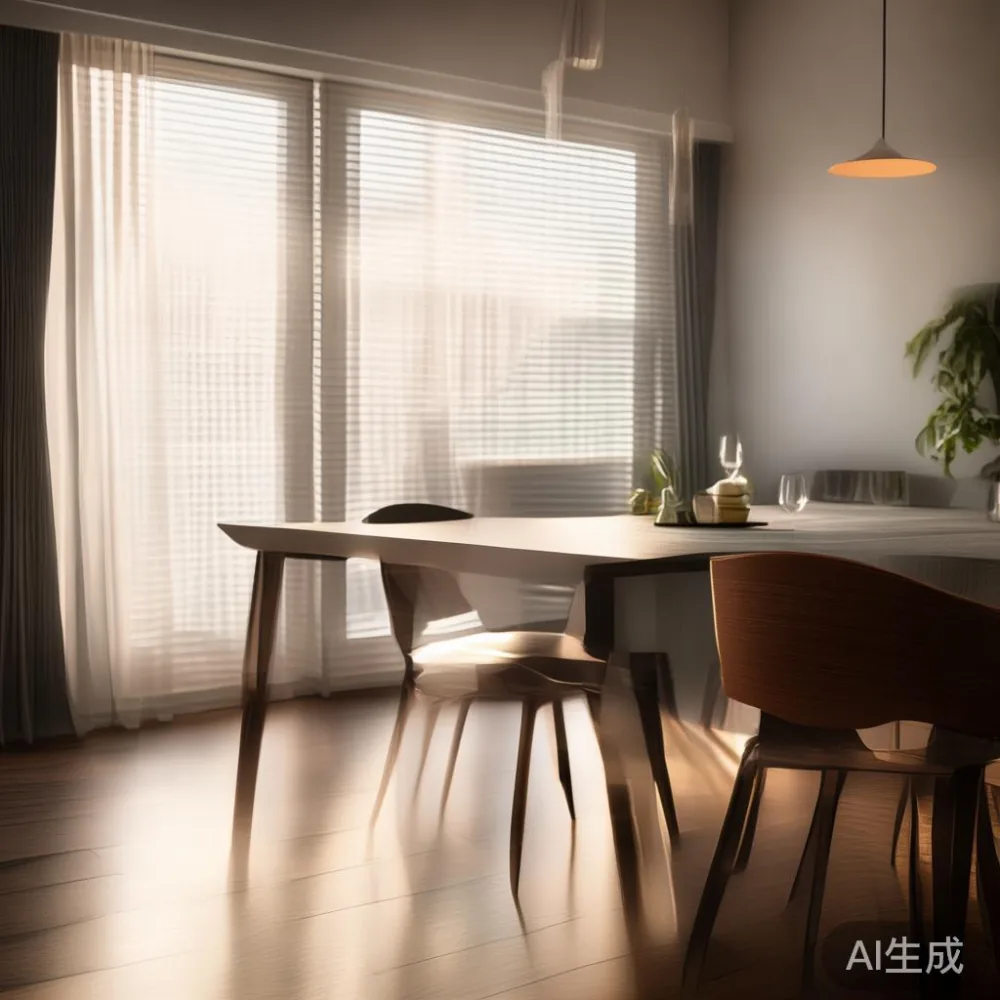
This guide uses dining tables as the central example, while keeping the lessons useful when comparing a solid wood sofa, bed frame, wardrobe, nightstand, or marble table. The aim is practical: identify the small print before payment, document the condition on arrival, and know what the maker must fix or replace.
What does a 10-year dining table warranty actually cover?
A “10-year structural warranty” generally addresses defects in the structural parts of a dining table, such as a frame joint that loosens, a cracked solid-wood base, or a table mechanism that fails under normal household use. It is not automatically a promise that every mark, movement, or damaged surface will be repaired without charge.
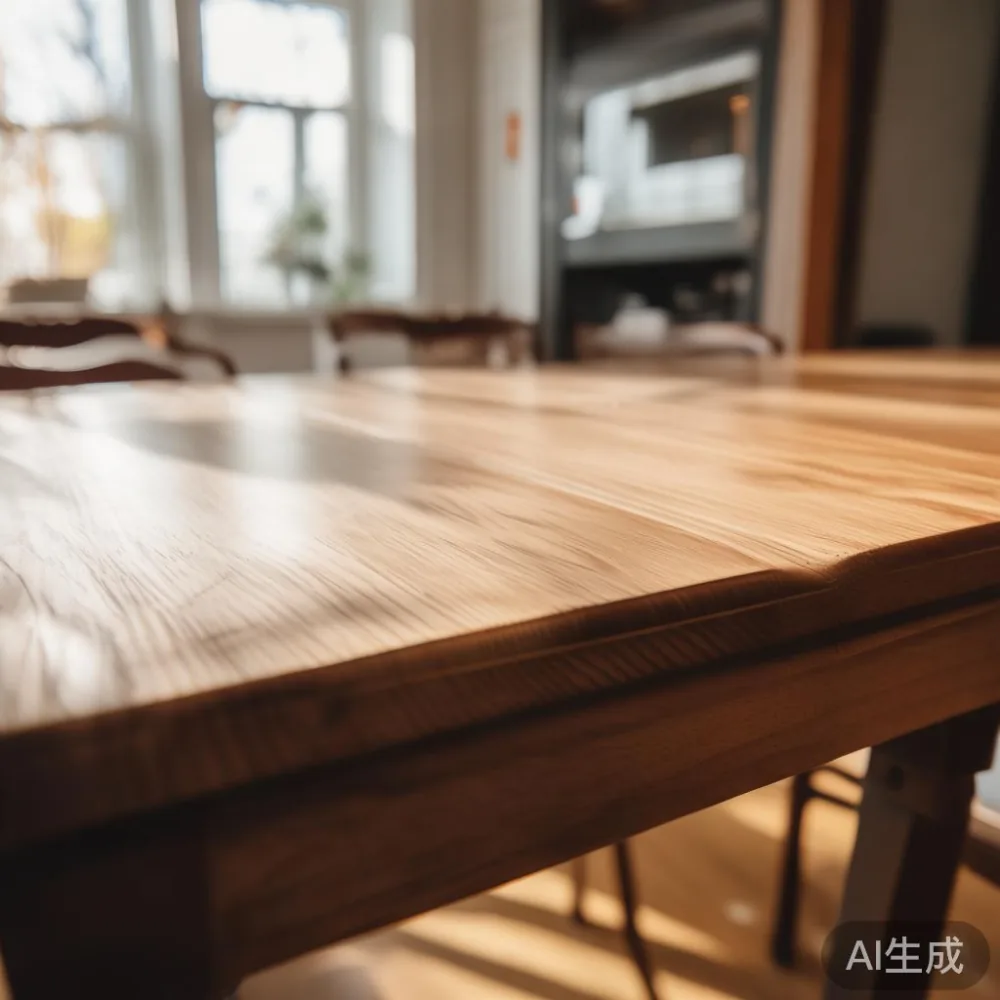
Check which components count as structural. A dining table may have an oak or ash top, a powder-coated steel frame, timber legs, mortise-and-tenon joints, dowels, brackets, or a leaf-extension system. The warranty should name the covered materials and components instead of relying only on the word “structural.” Ask whether the tabletop, apron, legs, joints, extension rails, hardware, and finish are all included.
Normal use should be defined clearly. A table rated for indoor residential use should not be expected to withstand standing on the top, being dragged by its apron, or supporting a person weighing 95 kg. Heavy commercial use, outdoor exposure, direct rain, damp storage, and placement beside a swimming pool may fall outside the standard terms.
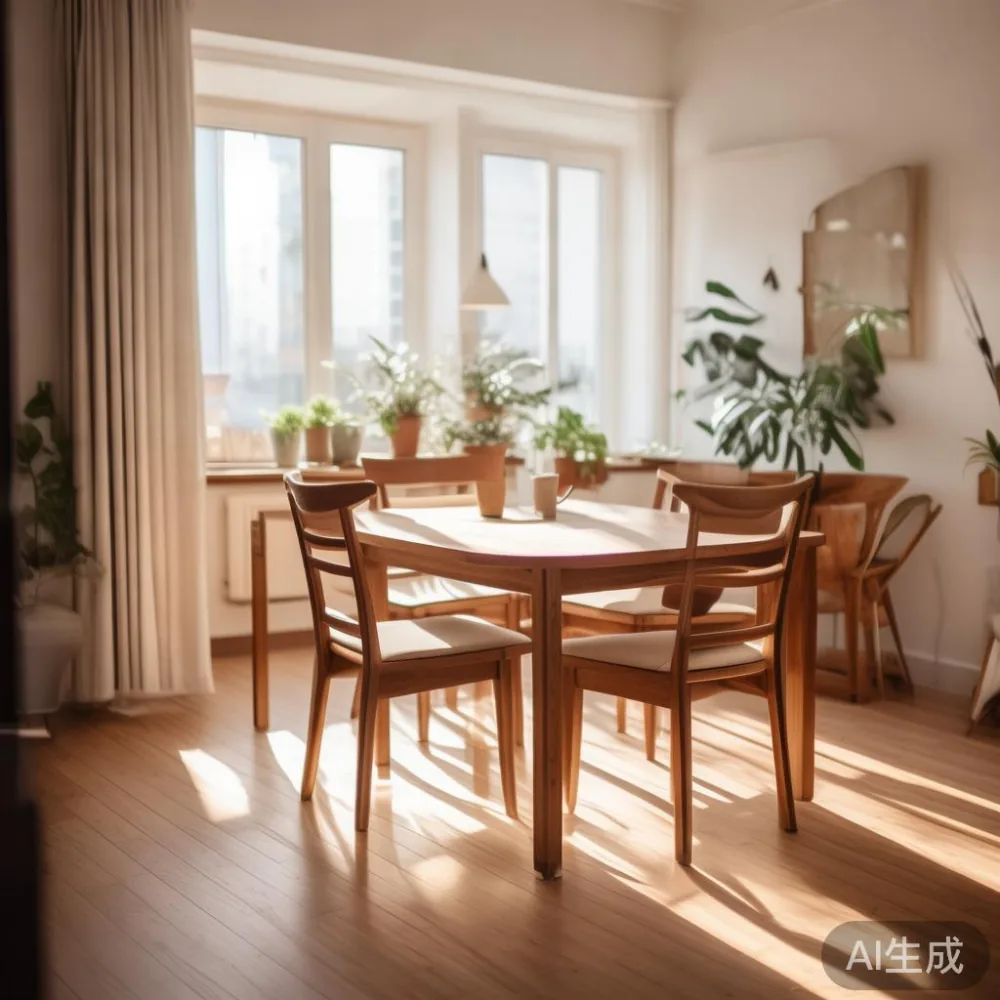
MIDHILL describes a 10-year structural warranty on its solid wood furniture. For a dining table, the practical question remains: does that period cover the top, base, joints, and extension hardware against manufacturing defects, and what proof is required? A warranty is only useful when its scope can be understood without guessing.
Look for exclusions relating to natural characteristics. Solid wood can show grain variation, knots, small colour differences, and slight movement as humidity changes. These are not automatically defects. A marble table can have natural veining, while a solid wood sofa or bed frame may develop normal upholstery or timber variations. If the document treats every natural variation as a fault, that is a warning sign.
Is “warranty” the same as a manufacturing defect guarantee?
No. Some sellers use “warranty” broadly; others use it only for structural failure. A defect guarantee normally covers items that depart from the agreed specification, such as a dining table with an uneven top, a leg drilled in the wrong position, or a finish applied incorrectly before delivery. Structural coverage may be narrower.
Read the definitions before the benefits. Identify whether the warranty covers repair, replacement, parts, labour, collection, and return freight. If a leg cracks in month 18, who removes the table, who delivers the replacement, and who handles the installation? If the answer is unclear, request the answer in writing.
Check who is responsible for the claim. A 10-year period is meaningful only if the company supplying the table remains responsible for the covered period, or if there is a named transfer arrangement. Ask what happens if the brand, retailer, or manufacturer changes. Also check whether the warranty starts at purchase, delivery, or the date shown on the invoice. For a dining table held in storage before delivery, the starting date can matter.
Warranty extension is another detail. Free annual servicing may be offered, or a fee may apply for refinishing outside the original coverage. Confirm whether in-home assessment is included in Singapore, whether remote remedies are permitted, and whether a replacement can be offered when repair is impractical.
Will the warranty help if my HDB lift or condo corridor is too narrow?
Access failures are common because many warranty documents cover the product, not the condition of the customer’s home. Measure before ordering a large dining table, especially in older HDB blocks where a common lift interior may be only about 90 cm wide and 110 cm deep. A 200 cm long dining table may have to enter diagonally, while a box with protective packaging can be wider than the table itself.
Measure the lift door, lift car, landing, corridor, stair turns, and the route into the dining area. Record the narrowest clear width and the lowest overhead clearance in centimetres. Ask the supplier for the table’s packaged dimensions and packaged weight, not just the finished dimensions. A 180 cm dining table might have a carton measuring 196 × 96 × 24 cm and weighing 52 kg.
Last month I visited a colleague’s new four-room HDB flat in Tampines to assess a dining table delivery. The lift opening was 91 cm, but the corridor turned sharply after the landing. A table that passed the lift measurement would have blocked the turn and could not be carried around the corner safely. The measurement was still valuable: we stopped the delivery, agreed on a different route, and chose a table with legs that could be detached.
Ask whether delivery is part of the warranty remedy. If a covered dining table needs collection, replacement, or return, separate collection charges can cancel much of the benefit. A written service level with a target response time of 3–7 working days is more useful than a vague promise of “prompt service.”
Can GST, deposits, and delivery charges affect the refund?
Yes. The invoice should state the selling price in SGD, the 9% GST treatment, any deposit, delivery charge, assembly charge, and total paid. A deposit can affect cancellation terms. For example, a 30% deposit on a SGD 2,800 dining table is SGD 840, and the balance is SGD 1,960 before GST or other stated charges, depending on the seller’s pricing and tax treatment.
Compare the refund method with the original payment method. A cash or card refund should be traceable, and finance-company instalment plans may require a separate cancellation process. Ask whether a 5% restocking fee applies after inspection, and whether the fee excludes GST. Do not rely on an oral assurance that the full amount returns if the table has been assembled.
Delivery timelines deserve a place in the warranty reading. A documented Singapore delivery window of 7–14 working days is more useful than “fast delivery.” Confirm what happens if the table is late, arrives damaged, or misses the appointment. Some sellers allow a re-delivery within 14 days, while others charge a second transport fee.
Also note the returns period. A 14-day returns policy can cover size, colour, or comfort considerations, but the condition rules should be clear. For example, the table must be unassembled, free from scratches, and returned with all legs, rails, fixings, and protective materials. Custom dimensions may be non-returnable, but that exception should appear before payment.
How do I record a dining table’s condition before it leaves the warehouse?
Photograph and video the table at delivery. Capture the form, every side, the top under even light, the joints, legs, underside, extension rails, hardware, packaging, and the delivery label. Record the date, time, and invoice number. Take a continuous video while the courier unwraps it, with the sealed packaging visible at the start.
Check flatness by placing a straightedge across the top and comparing measurements at several points. Use a ruler rather than estimating. A 180 cm dining table might show a 4 mm difference across the surface; whether that is acceptable depends on the product specification and manufacturing standard. Do not make a judgement based only on appearance.
Inspect the finish for scratches, chips, bubbles, dents, loose particles, and colour differences. Check that all predrilled holes align, every bolt is present, extension rails slide smoothly, and legs sit evenly on a level floor. Record the condition of the floor if the courier needs to move the table, especially in a completed condo where the route is narrow.
Do this before signing the delivery note. If you are allowed to refuse inspection, do not let urgency replace inspection. A retailer offering free shipping over US$350 may support international purchasing, but the currency threshold should still be converted carefully into SGD for local budgeting; it is not a substitute for checking Singapore delivery terms.
What happens if the table fails after the warranty period?
Ask about lifetime refinishing, but define what it includes. A lifetime refinishing commitment may apply to the original product and original finish, or it may exclude changes in finish availability, severe physical damage, commercial use, and work required after an accident. For solid wood dining tables, refinishing can restore colour and smoothness, but it cannot necessarily correct a warped top or a failed joint.
MIDHILL offers lifetime refinishing alongside its stated structural coverage. That can add value over a 15-year ownership period, but confirm whether collection, transport, and labour are included in Singapore. A service quote should separate the cost of finishing from repair of structural damage.
Also check the practical lifespan of replaceable parts. A dining table can need new glides, connectors, screws, drawer components, or extension hardware after 8–12 years even when the main structure remains sound. A document that identifies stocked replacement parts at 5–15 SGD per item is clearer than one promising “all parts available” without explanation.
For the wider room, a solid wood sofa, bed frame, wardrobe, nightstand, or marble table may have its own warranty period and exclusions. Treat each product as a separate contract rather than assuming one policy covers the entire home. Documents for a marble table may classify stone variation separately, while a solid wood sofa will need upholstery-specific terms.
What should a clear Singapore furniture warranty look like?
A clear policy should answer 12 questions in plain language: Which parts are covered? For how many years? Which defects qualify? What usage is excluded? Who assesses the claim? What is the response period? Are labour, parts, collection, delivery, and installation included? Does the period start at purchase or delivery? What evidence is required? Who owns the claim after resale? Which Singapore charges apply? How are disputes handled?
The language should also distinguish a factory defect from normal wear. Scratches from moving a chair, water rings from a hot cup, and a top that moves because the house is very damp should not be confused with a defective joint. Yet careless workmanship, such as an unevenly glued apron or an extension rail that binds under normal use, may qualify.
Compare the document with the product listing. A “dining table” described as solid wood should identify the species or timber type, while “marble table” should state the stone type and whether the top is natural stone. If the description says “European light luxury accent chair” or “Italian light luxury coffee table,” verify that imported-looking naming does not replace clear material and warranty details. The phrase European light luxury accent chair may suggest a style, not a European manufacturing origin.
The same disciplined comparison applies to phrases used in furniture searches. If a listing ranks among the top 10 Coastal furniture pieces, that is a market label rather than evidence of construction quality. If a product is advertised as light luxury with storage, inspect the storage dimensions, drawer or door clearances, and hardware warranty. A dining table with storage should state the internal dimensions in centimetres and the maximum load, such as 20 kg distributed across one shelf.
For design references, French light luxury tends to pair pale materials, gentle profiles, and restrained detailing. American light luxury often uses familiar forms with cleaner execution and comfortable proportions. Post-modern light luxury can combine contrasting shapes without becoming visually crowded. These styles can guide a dining table choice, but the warranty still needs to specify construction and remedies.
How do I compare a 5-year policy with a 10-year policy fairly?
Compare scope, not just the number of years. A 10-year warranty covering only selected frame components may offer less practical protection than a 5-year policy covering the top, base, joints, extension system, and finish against manufacturing defects. Create a simple table in your notes with rows for coverage, exclusions, claim fees, response time, collection, and resale transfer.
Then compare the total cost. Record the price in SGD, GST, delivery, assembly, access charges, and likely maintenance over 10 years. For example, a SGD 3,600 dining table with SGD 210 delivery and SGD 90 assembly has a starting cash cost of SGD 3,900 before GST if tax is added. A lower-priced table with a poorly explained warranty may become more expensive if the top or extension mechanism needs attention in year 4.
Assess service reachability in Singapore. A 10-year warranty is easier to use when the company has a local process for assessment and delivery. Ask for a sample claim workflow and a contact route that does not depend on overseas freight. For a Foshan furniture manufacturer, cross-border transit is not normally part of an ordinary household claim, so responsibility for local handling should be identified.
Labels such as “MIDHILL European light luxury sofa” describe design direction, but a separate dining table order should have its own specifications and terms. Likewise, a search for under 2000 Rustic furniture should not lead a buyer to assume that a solid-wood dining table priced at SGD 1,980 has the same construction or warranty as a solid wood sofa or bed frame. The product category and the policy must match.
What should I do if the dining table develops a covered defect?
Document the problem and stop adding stress to the affected part. Photograph the joint, crack, movement, or mechanism, and record when the issue began. Keep the table away from food service if the surface is damaged, and do not attempt a major repair if doing so could affect evidence or void the warranty.
Contact the seller with the invoice, order number, delivery record, photographs, and a concise description of the defect. State the date of purchase, delivery date, location, and the precise point of failure. A clear claim saves time: for example, “the right rear leg connection separated 12 mm on 14 August, 18 days after delivery” is more actionable than “the table is broken.”
Request a written determination. If the claim is accepted, confirm the repair or replacement date, collection arrangement, delivery cost, installation responsibility, and whether a temporary table is offered for a safety issue. Keep every message until the table is resolved. If the response misses the promised period, refer to the stated escalation route and Singapore consumer-protection options.
Do not sign a settlement document until the work is complete or the replacement has arrived and passed inspection. If a dining table is replaced, check colour matching with the original. If a part is repaired, inspect the joint, finish, and flatness in daylight. A warranty closes a claim when the remedy is delivered; a quick handover without checking can leave a new issue undocumented.
Which questions should I ask before I pay for a dining table?
Ask: “Does the 10-year structural warranty cover the tabletop, legs, joints, extension rails, and hardware?” Ask: “Which Singapore delivery and collection costs are included?” Ask: “Can the warranty be transferred if I sell the table?” Ask: “How are natural wood marks and seasonal movement treated?” Ask: “What is the claim response time?”
Request the full warranty and return terms as a PDF or printed copy. Confirm that the product page and invoice contain matching dimensions, material, colour, price, and warranty duration. Check the model or SKU so the terms are tied to the exact dining table, not merely to a showroom display or another finish.
For a room with a narrow access route, ask for a dimension drawing and assembly instructions before ordering. For a marble table, ask about stone thickness, support, and edge treatment. For a solid wood sofa or bed frame, look for separate timber, upholstery, and mechanism terms. For a wardrobe, confirm carcass and hardware coverage. For a nightstand, check drawer suspension and surface-finish exclusions.
A useful warranty is not the one with the longest number. It is the one that matches the product, survives careful reading, and can be enforced with a clear Singapore process. Spend 10 minutes checking the document, 5 minutes recording the invoice, and another 15 minutes documenting arrival. That small routine can prevent a much larger dispute over a dining table.