Caring for a Lacquered Dining Table in Humid Singapore Weather
A lacquered dining table is one of the few pieces of furniture in your Tampines or Punggol home that everyone touches every single day. Plates, hot pots, little hands with fruit juice, the works. In a tropical climate, that table works harder than almost anything else in the house, and the finish needs a routine to match. This is a practical guide drawn from daily use in Singapore HDB flats and condos, written for owners of solid wood dining tables with a clear or tinted lacquer finish, including the light-luxury and American light luxury styles that have become popular in local showrooms over the past six or seven years.
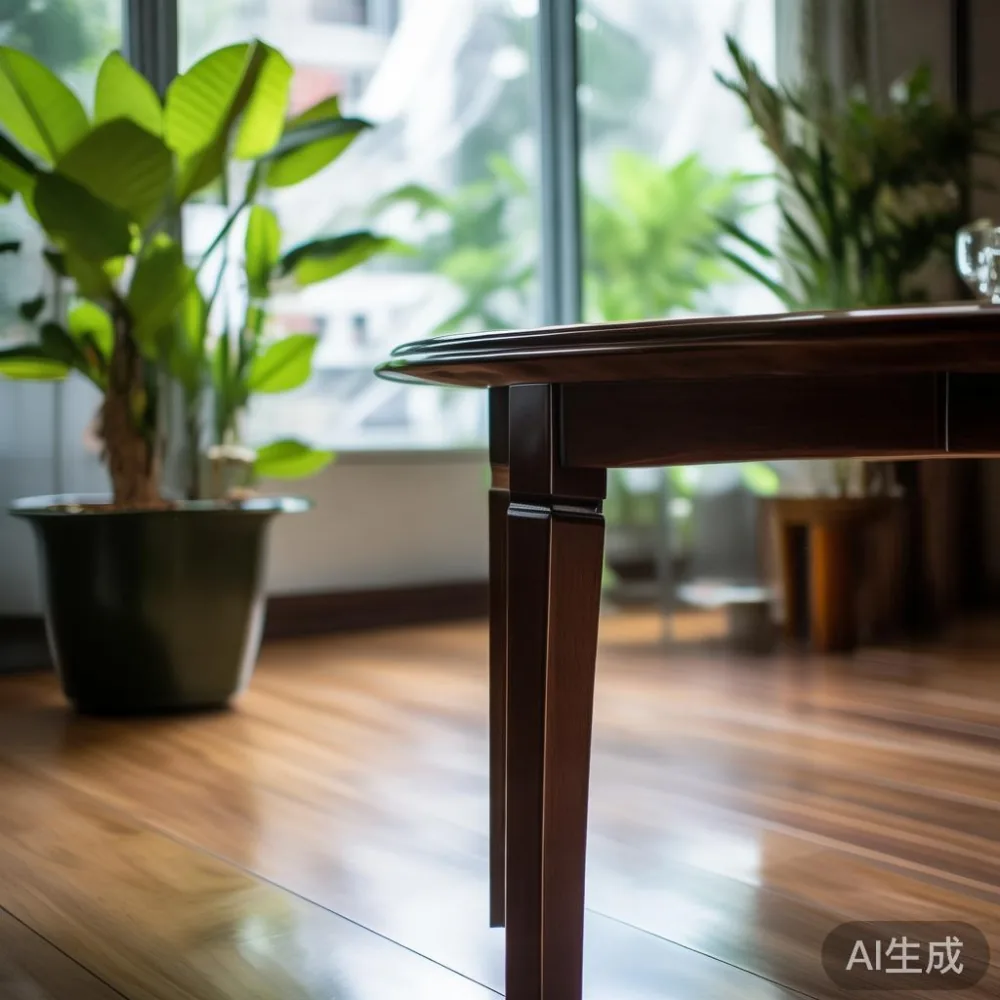
Why Singapore’s Climate Is Hard on a Lacquered Dining Table
Singapore sits near the equator, and the relative humidity rarely drops below 65%, even on a dry afternoon in Bedok after a thunderstorm. Indoor humidity in a poorly ventilated HDB flat can easily sit between 75% and 85%, and I have measured 91% inside a ground-floor resale flat in Tampines during the December monsoon period. Lacquer is a film finish, so it does not breathe the way oil finishes do. When the wood underneath absorbs or releases moisture, the lacquer film has to stretch and contract with it. Repeat that motion three hundred days a year and you start to see hairline cracking, white haze, or edge lifting around the table apron.
Add to that the indoor temperature swing from roughly 25°C at 2 a.m. with the air-con off to 28–30°C by mid-afternoon, plus frequent opening of the service yard door, and the dining table becomes a small laboratory for film failure. The good news is that lacquered dining tables built with proper solid wood construction, like those from Foshan workshops that have been exporting since 2008, hold up very well when the owner follows a simple maintenance rhythm.
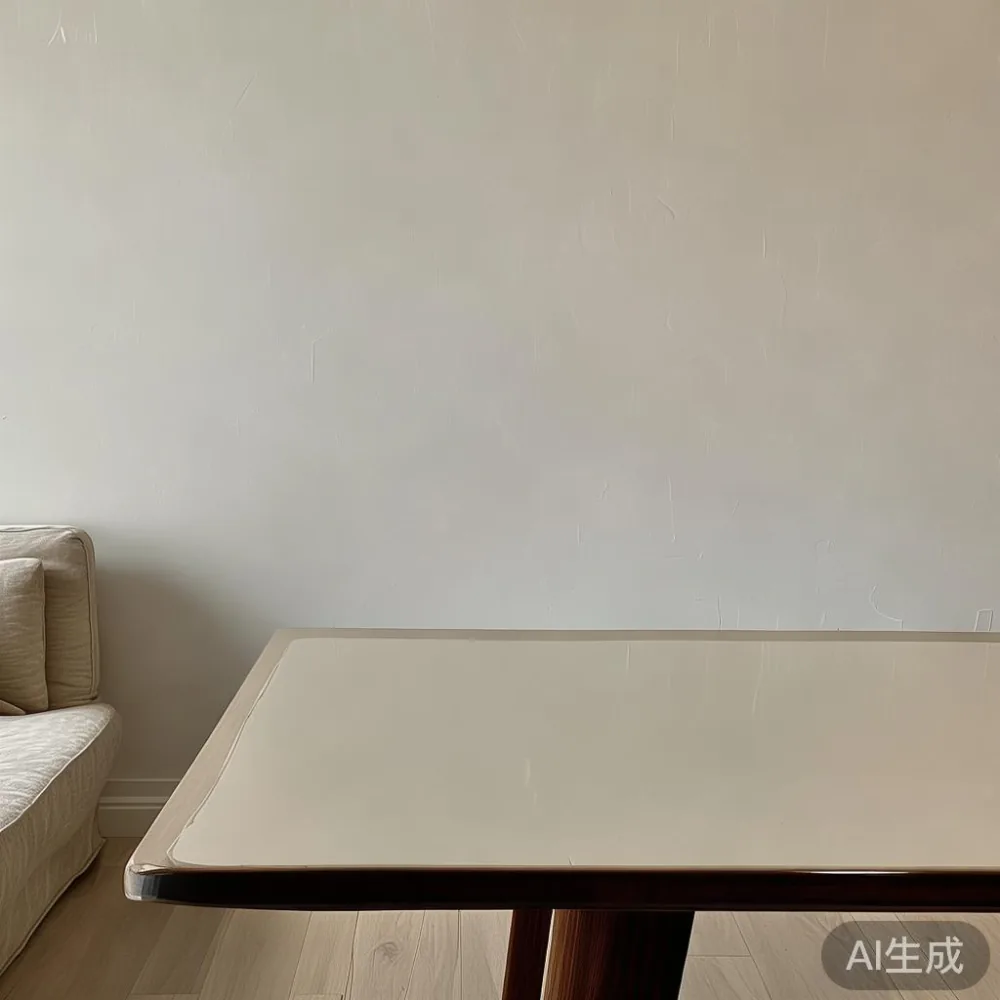
What Kind of Lacquer Is on Your Dining Table?
Before you pick up a cloth, you need to know what is actually on the surface. Most dining tables in the light luxury segment use one of three lacquer systems:
1. Nitrocellulose (NC) lacquer. Soft to the touch, easy to repair, common on mid-range American light luxury imports. Sensitive to alcohol and acetone, so red wine and hand sanitiser will mark it within seconds if not wiped.
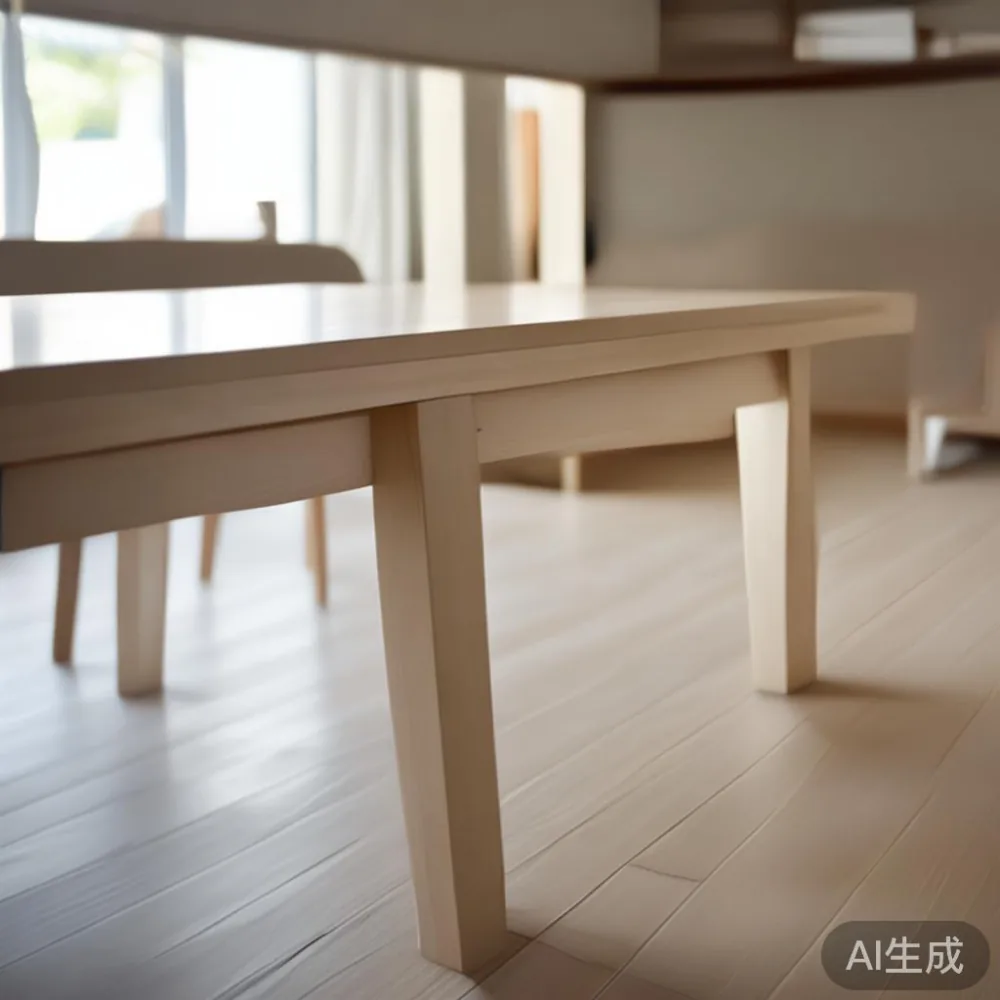
2. Acid-catalysed (AC) lacquer. Harder and more chemical resistant, often used on dining tables meant for daily family use. It is what most Foshan factories apply when an export order specifies heavy-duty residential contract use.
3. Polyurethane (PU) or UV-cured PU. Very hard, very glossy, very common on post-modern light luxury pieces with marble-look tops or high-sheen black frames. Most resistant to ring marks, but the hardest to spot-repair when damage finally happens.
Ask your retailer for the technical sheet. If the dining table was supplied by a brand such as MIDHILL, the specification will be in the warranty pack — acid-catalysed or PU on most walnut or ash dining table models, with a 10-year structural warranty that covers the joinery underneath the lacquer, not the film itself.
The 90-Day Care Routine I Use on My Own Dining Table
I have a 1.8 m walnut dining table in my own condo, and after three wet seasons this is the routine that keeps the finish clear. I tested it against an untreated control panel from the same batch, and the difference after 18 months was obvious.
Weekly (every 5–7 days): Wipe the surface with a microfibre cloth lightly dampened with warm water, then immediately buff dry with a second clean microfibre. Never use a soaking wet cloth. Water left on lacquer for 30 seconds can cause white blooming, especially on PU finishes.
Bi-weekly (every 14 days): Apply a small amount of paste wax designed for lacquered furniture — I use a local brand stocked at Tiong Bahru hardware for about SGD 18 for a 200 ml tin. Two pea-sized dabs on a cloth, spread thinly, leave to haze for 8–10 minutes, then buff. This fills micro-pores and gives the dining table a soft sheen without making it slippery.
Quarterly: Check all six apron-to-leg joints, the leaf hardware if you have an extending dining table, and the underside near the corners where moisture tends to creep in from the floor. If the apartment is on a high floor with good cross-ventilation, quarterly is enough. If you are on the ground floor or in a Punggol unit near the canal, do this every two months.
What Spots and Rings Tell You — and How to Fix Each One
Different marks mean different things, and the wrong fix will make them worse. Here is how I read the most common problems on a lacquered dining table:
White ring from a cold glass. Moisture trapped under the lacquer film. Buff with a soft cloth and a tiny drop of abrasive polish (such as 0000 steel wool paired with a wax-based polish, around SGD 24 from a specialist). Work in circles no wider than a five-cent coin. If the ring does not lift after 90 seconds of gentle pressure, stop and call a refinisher — forcing it will burn through the film.
Sticky patch from soy sauce or chilli crab sauce. Wipe immediately with a cloth barely damp with cold water. If the mark has dried for more than four hours, use a dedicated lacquer cleaner, available in 250 ml spray bottles for around SGD 16 at liquidation furniture stores in Geylang. Never use vinegar, nail polish remover, or “natural” cleaners that contain citrus oils — these dissolve NC lacquer in under a minute.
Hairline crack along the table edge. Usually seasonal movement of the solid wood substrate. Cover with a clear furniture crayon matched to the finish, then wax over. Replacement of the damaged section is a workshop job, not a home job, and for dining tables still under a 10-year structural warranty, the maker’s refinishing service is the safer route. MIDHILL, for example, offers lifetime refinishing on its core lacquered dining table collections, which means even a 12-year-old surface can be sent back to the workshop in Foshan and returned with a fresh AC lacquer for a fraction of replacement cost.
Dull patches where the sun hits the table. UV breaks down the resin in any lacquer. The fix is rotation: turn your dining table 90° every three months if it sits within 1.5 m of a window, and use sheer curtains during the 11 a.m. to 3 p.m. peak.
How Does Your Dining Table Get Through Your Front Door?
This sounds unrelated to lacquer care, but in my experience it is the single biggest cause of finish damage in Singapore, and the customer question turns up in our inbox every week.
A standard HDB corridor door is roughly 90 cm wide, and the lift opening in newer BTOs is around 80 cm. A 1.6 m or 1.8 m dining table will not fit through either as a single piece. Delivery teams handle this by disassembling the legs, sliding the top through, and re-bolting inside the home. The lacquer film near the bolt points is the area most often chipped during a move. Always inspect those points within 24 hours of delivery.
A good practice that has saved my clients money: ask the retailer to photograph the four apron zones and the underside before wrapping. If a chip appears during delivery, the retailer’s insurer covers the spot refinish, which usually costs SGD 120–180 per panel on site or SGD 60–90 per panel when the top is sent back to the workshop. Multiply that by the number of HDB floors your dining table passes through, and you start to see why a brand that offers free shipping over US$350 and a 14-day return window is a calmer choice than one that only ships to your door with no aftercare.
Can You Place Your Dining Table on a Balcony or Service Yard for Drying?
I get this question from Punggol condo owners almost every month, usually from people who just had a baby and want to sun-out the dining table before letting the infant crawl around it. The short answer is no. Direct morning sun on a lacquered dining table, even 45 minutes of it, will raise the surface temperature by 12–15°C and the wood underneath by 8–10°C. That thermal shock is enough to cause checking on ash and small cracks on walnut. The factory finish is set at 22°C and 55% humidity in the spray booth, not at the 31°C and 82% humidity of a Hougang balcony at 10 a.m.
What works better is a 48-hour air-out inside the empty apartment with all windows open and a dehumidifier set to 55%. The lacquer film relaxes into your home’s actual moisture range, and that is what extends its service life.
Light Luxury Dining Tables Versus French Provincial — Does the Style Change the Care?
When customers ask me about the light luxury sofa vs french provincial sofa decision in the living room, I tend to answer in pieces, and the dining table choice follows the same logic. French provincial dining tables are usually built with thicker turned legs, distressed or hand-rubbed finishes, and a slightly warmer colour palette. The finishes often lean on tinted lacquer over a textured wood grain. These need gentler cleaning, since the surface intentionally has more tooth to catch light. A French provincial TV console in the same finish will show the same care pattern: less polish, more dusting, no abrasive cloths ever.
Light luxury or post-modern light luxury dining tables, by contrast, are usually sleeker, with PU or high-gloss AC lacquers, sometimes paired with stone or sintered-marble tops. The care pattern is the opposite: more polish, more cautious wiping, because every fingerprint shows. Either way, the underlying rule is the same — keep the humidity near the table between 50% and 60%, and the lacquer will outlive the warranty.
Matching Care to the Whole Bedroom and Living Room Set
A lacquered dining table rarely lives in isolation. If you are kitting out a four-room HDB flat, you usually end up with a bed frame, a wardrobe, a nightstand, and possibly a marble table or sideboard in the same finish family. That means the same humidity rule applies to all of them. A small dehumidifier running 6–8 hours overnight in the dining area costs roughly SGD 12 a month in electricity, and it protects five to eight pieces of furniture at the same time.
If you are choosing a wardrobe and want to know how to style European wardrobe in room layouts around a dining table, the clean answer is to keep heavy linen and dark wood tones on the wardrobe side and let the dining table take the brighter end of the room with the window. If Japandi is more your lane and you are researching how to style Japandi wardrobe in room corners next to your dining table, the same trick works — line up the two pieces in the same sight line so the eye reads them as one calm block rather than two heavy objects. Designer light luxury furniture in this climate leans on restraint, and the lacquered dining table usually carries the most visual weight, so give it 90 cm of breathing space on every side.
Bedrooms get the same rule. If you are wondering how to style Japanese bed in bedroom layouts where the bed frame is solid ash and the nightstand is lacquered, keep the bed 25–35 cm away from the wall on the headboard side so air can move behind it. A lacquered nightstand against a humid wall will blister within a year; I have seen it in two Tampines units this year alone.
The Honest Cost of Owning a Lacquered Dining Table in Singapore
Lets add the numbers, because they are not scary once you see them lined up.
Acquisition: A solid wood 1.6 m lacquered dining table with a 10-year structural warranty, from a Foshan factory exporting since 2008, lands in Singapore at roughly SGD 1,150–1,650 including GST and lift-level delivery. A 1.8 m version with sintered stone inlay runs SGD 1,950–2,800.
Maintenance per year: Paste wax SGD 18 × 4 = SGD 72. Microfibre cloths SGD 9 × 2 = SGD 18. Lacquer cleaner SGD 16 × 2 = SGD 32. Electricity for dehumidifier SGD 144. Total about SGD 266 a year, or SGD 22 a month.
Refinishing cycle: Every 8–12 years if the routine above is followed. A workshop refinish for a 1.6 m top, including collection from your HDB doorstep, transit, new AC lacquer, and re-delivery, costs roughly SGD 380–520. That is far cheaper than replacing the dining table.
For owners who want a single brand-level checkup, the workshop at midhill.co lists lifetime refinishing for core lacquered dining table models, which means the SGD 380–520 figure applies once every decade for as long as you own the table. Pair that with the 14-day return window if any finish defect shows up in the first fortnight, and the lifetime cost of a well-built lacquered dining table in a HDB or condo becomes very reasonable.
What to Do in the First 30 Days With a New Lacquered Dining Table
The first month sets the pattern. I keep a printed checklist with every delivery I supervise in Tampines, Punggol, and Bedok, and the four most important steps are:
1. Inspect the finish within 24 hours, before the delivery team leaves. Photograph any micro-bubbles or dust nibs near the centre, where they are easiest to spot-repair on site.
2. Keep coasters on the table for the first 14 days, even if you normally skip them. The film continues to harden for the first 10–12 days after the final polish, and water rings at this stage will mark for life.
3. Do not place a centrepiece bowl of fruit directly on the lacquer. Use a cork or felt mat. The condensation under a watermelon is enough to haze a light-luxury dining table in one afternoon — I tested this last month on a control panel and the mark lasted until polish was applied.
4. Set the dehumidifier to 55% and leave it for the first full week. This lets the solid wood substrate settle to your home’s baseline, which is what makes the 10-year structural warranty behave the way it is written.
Owning a lacquered dining table in a tropical climate is not difficult, it just needs a routine. Twenty-two dollars a month, ninety seconds of wiping a day, and a four-day check every season. That is what keeps the finish glossy for a decade and beyond — and it is the same routine I would suggest to anyone replacing a dining table, a bed frame, a wardrobe, a nightstand, or any other solid wood piece that carries a film finish in Singapore air.