How to Care for a Lacquered Dining Table in Singapore’s Humid Climate
A lacquered dining table can bring a calm, pale finish to a Singapore home, but tropical humidity, daily spills, and salty air near the coast demand a careful maintenance routine. The lacquer is not the solid wood beneath it: it is a surface layer that can scratch, cloud, or peel if exposed to harsh cleaners, standing water, or repeated heat. For residents of HDB flats and condos in Tampines, Bedok, and Punggol, the practical challenge often begins before the table reaches the dining area. Lift dimensions, corridor turns, stair widths, and delivery access can determine whether the table arrives without damage.
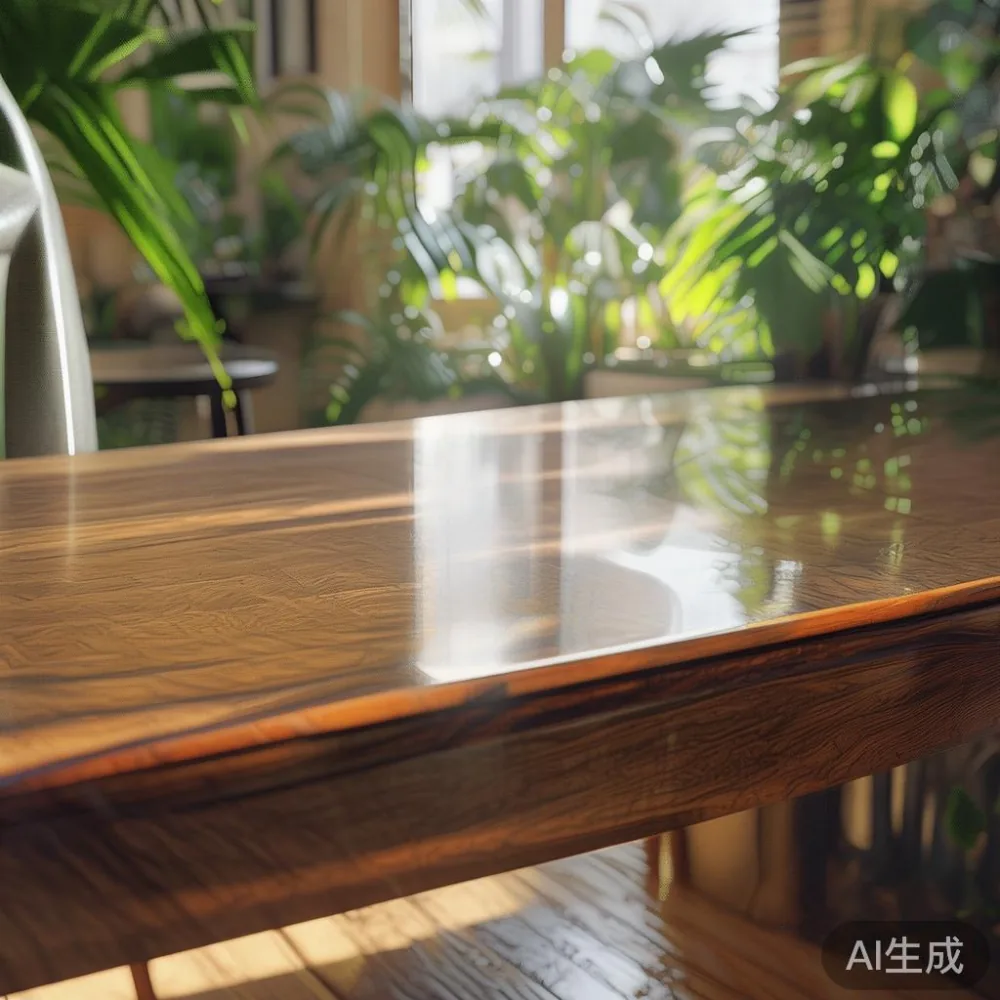
MIDHILL designs dining tables for compact urban interiors, with French light luxury, American light luxury, and post-modern light luxury influences appearing in restrained profiles rather than heavy ornament. Its solid wood dining table and solid wood sofa collections use carefully selected timber, while the bed frame, wardrobe, nightstand, and marble table ranges give a home a coordinated material language. The lacquered dining table, however, needs its own care plan because its finish behaves differently from untreated solid wood.
The figures below are practical care intervals and measurements, not guarantees for every finish. Check the product care instructions, test any cleaner on a hidden 10 cm area, and confirm the exact lacquer type before using a cloth or solution.
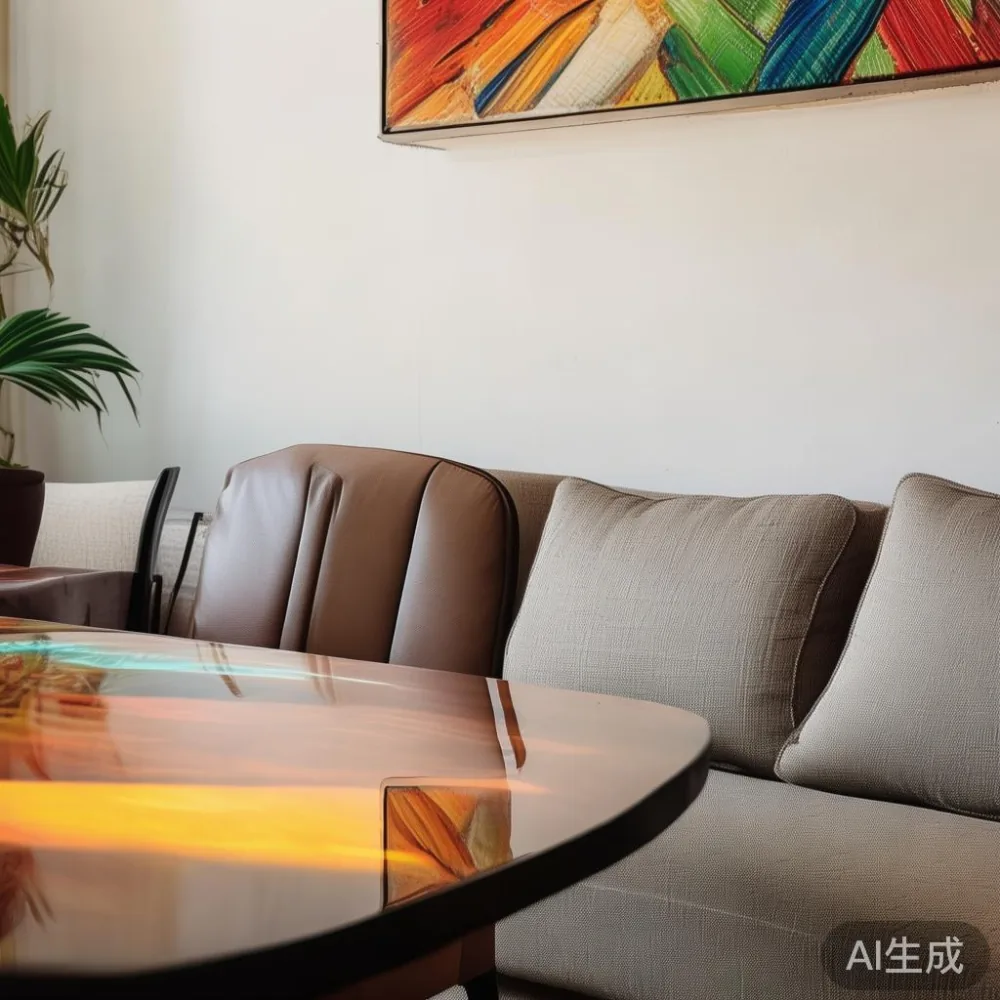
What makes lacquer behave differently from solid wood?
Lacquer is a cured surface coating. Depending on the product, it may be polyurethane, water-based acrylic, or another factory-applied finish. Its appearance can range from a low-sheen surface to a high-gloss reflective one. Underneath, solid wood still expands and contracts as relative humidity changes. A high-quality lacquer is designed to flex slightly with that movement, while poor adhesion, sharp impacts, and trapped moisture can create small blisters or peeling edges.
Singapore’s outdoor relative humidity commonly reaches about 75% to 90% during humid periods, and coastal condensation can add moisture around windows and air-conditioning units. Indoor spaces are usually more stable, but a dining table placed beside an open balcony door or directly under an air vent can encounter rapid shifts within a single day. Aim for roughly 40% to 65% relative humidity where possible, with a stable temperature of about 21°C to 27°C.
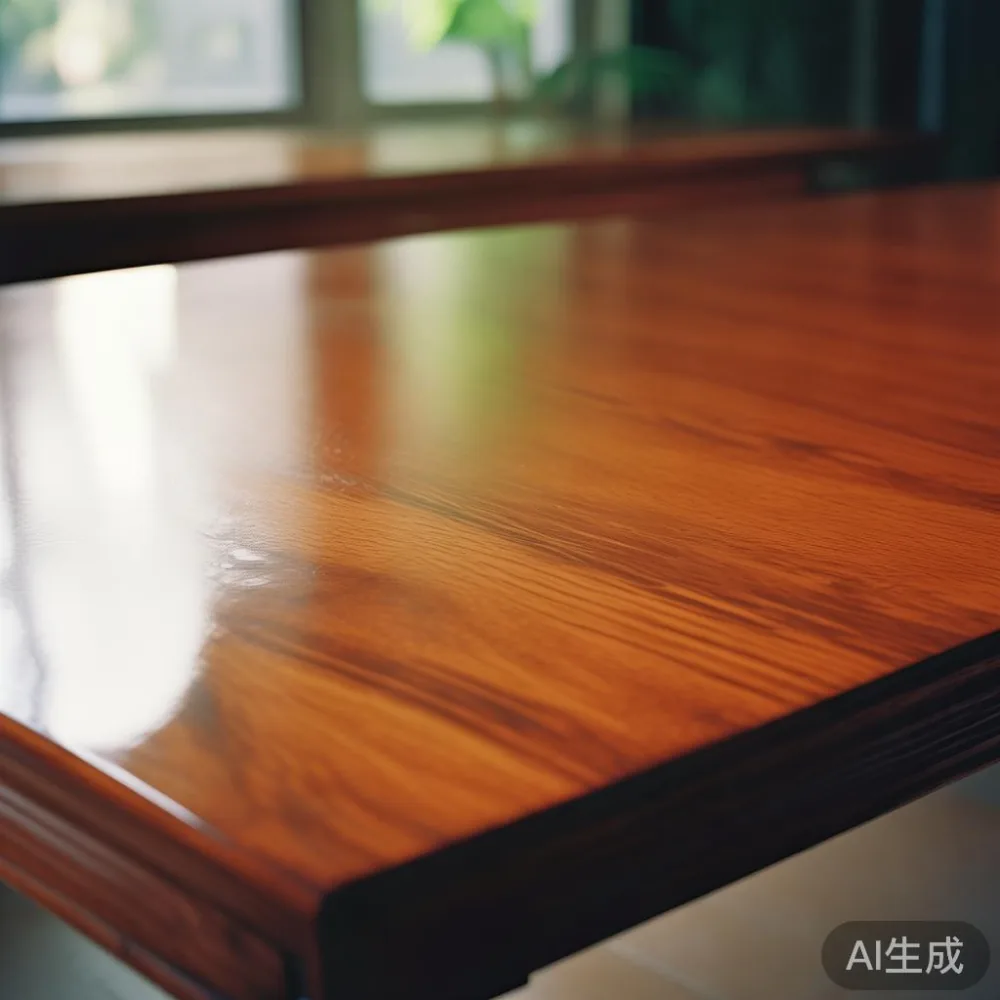
Use a coaster for every hot drink and a placemat under plates. A cup of hot kopi can reach 70°C to 85°C, enough to soften or mark some lacquers if it sits on the surface for 10 minutes. A bowl of soup should not remain above the table for more than 5 minutes. Wipe spills immediately rather than waiting 30 minutes, and clean a greasy fingerprint within 24 hours before it becomes a visible haze.
Do not confuse a lacquered dining table with a factory-oiled solid wood dining table. Oil feeds and protects exposed timber, whereas lacquer must be cleaned without solvents and does not need re-oiling. If a mark can be rubbed away with a clean fingertip, it may simply be a surface deposit; do not attack it with abrasive powder.
How do I clean a lacquered dining table in Singapore?
Start with the mildest method. Dust the surface weekly with a dry, lint-free microfibre cloth folded into a compact square about 20 cm by 20 cm. Change to a clean section every 1 to 2 tables so grit is not dragged across the lacquer. For routine cleaning, dampen the cloth with plain water and wring it until only a light sheen remains. Wipe in the direction of the grain, then dry with a separate cloth within 2 minutes.
For sticky marks, dilute a small amount of mild dishwashing liquid in a bowl: approximately 1 teaspoon per 500 ml of water. Apply the solution to the cloth rather than the table, then wipe the area 3 to 5 times. The cloth should be damp, never dripping. Dry the surface immediately and inspect it under daylight for streaks.
Stay away from vinegar, ammonia, bleach, alcohol, acetone, dishwasher tablets, and “heavy-duty” degreasers. Even diluted, these products can dull satin lacquer or damage clear coats. Wax and furniture polish may create a temporary shine but can leave residue that attracts dust. Unless MIDHILL confirms that the specific finish is polishable, use no product other than water and mild detergent.
The same care logic applies when matching a lacquered dining table with a marble table nearby. Marble tolerates some mild acidic cleaners better than lacquer, but acidic juice can dull many stone finishes. Use separate cloths for the two surfaces and place a 2 mm felt pad beneath tableware on either one.
How should I remove scratches, stains, and dull patches?
Begin by identifying the mark. A scratch in the lacquer, a gouge in the wood underneath, and a stain within the coating need different responses. Use a clean white cloth and a soft pencil eraser on superficial scuffs, moving lightly for 10 to 15 seconds. The eraser must be clean and free of printed ink. Inspect after every 5 strokes, because hard pressure can create a matte patch that is harder to notice than the original scratch.
For dull patches caused by oily residue, warm a clean microfibre cloth slightly and pass it over the area once. Do not use a hairdryer for more than 5 seconds at a distance of at least 30 cm. If the mark remains, contact the manufacturer with photographs taken at 1 metre and a close-up showing the affected 5 cm area.
Deep scratches require care from a lacquer specialist. A kit containing 400, 800, and 1,200-grit papers may be suitable for some surfaces, but grit selection can remove the gloss level permanently. Do not sand a lacquered dining table without technical approval. Water stains, bubbling, black spots, or a scratch that exposes brown timber are signs to stop and obtain advice rather than trying another household remedy.
Small rubber-foot marks can often be lifted with a clean cloth and a little mild detergent. Test the same cloth on a 10 cm hidden section first. Avoid silicone-based shoe polish and coloured erasers; their dyes can lodge in fine surface defects. Wipe again with plain water and dry within 2 minutes.
Will humidity, sunlight, and Singapore’s heat damage the finish?
Yes, prolonged exposure can shorten the life of a lacquered surface even when the underlying solid wood is sound. UV rays can fade colour unevenly, while heat and humidity can weaken the coating’s bond. Keep a lacquered dining table at least 50 cm away from a west-facing window or balcony door. If curtains are needed during the day, use a light-filtering curtain rather than dark cloth, and leave at least 5 cm of airflow around the table edges.
Air-conditioning helps regulate humidity, but do not aim cold air directly at the tabletop for hours. A vent blowing across the surface at 18°C to 24°C may cause frequent contraction and expansion. Instead, maintain comfortable room conditions and move the table away from the direct airflow when possible.
For a coastal property in Bedok or Punggol, wipe condensation from nearby surfaces before it reaches the table. Clean balcony doors weekly and check the table legs every month for swelling or raised lacquer edges. If the dining table sits on a terrazzo or tiled floor, use 2 mm felt or rubber pads under each leg. This limits movement when the floor is mopped and protects the wood from moisture trapped beneath it.
Seasonal maintenance should include checking the underside twice a year. Look for lifted edges, pale halos, or a musty smell. A table that feels damp at 8:00 a.m. but dry by noon needs airflow and less direct air-conditioning, not more polish. The aim is stable moisture, not a surface that looks wet.
How do I move a dining table through a lift or narrow corridor?
Measure the route before delivery day. A common HDB lift interior may be about 1.0 m deep and 1.1 m wide, but older blocks vary. The clear door opening can be only 0.8 m to 0.9 m, while corridor widths may range from 1.0 m to 1.5 m. A dining table that fits in the lift only when turned diagonally may still fail at a 90-degree corridor turn.
Record the lift door width, internal width, internal depth, cabin height, corridor width, and the narrowest turn. Add at least 5 cm of working clearance on each side. If the tabletop is 160 cm by 90 cm, a removable-leg design is far easier to transport than a fixed 180 cm by 100 cm top. At the destination, protect doorframes with cardboard and cover the lacquer with a clean moving blanket; never tape directly onto the finish.
Three or more people should carry a table weighing more than 45 kg, with one person at each corner and one guiding from the centre. Use lifting straps rated above the table’s weight and keep fingers away from the leg joints. Lift from the frame rather than the tabletop. If a dining table weighs less than 35 kg, two trained adults may suffice, but awkward shapes still deserve a third pair of hands.
Check the route again after rain because corridor floors can become slippery. Wipe any tracked water before moving furniture, especially near lift thresholds. For condo freight lifts, reserve the service slot at least 3 days ahead and confirm the loading-bay opening with building management.
Can the same care plan fit a compact Singapore home?
Yes. A small dining space does not need a large care setup. Keep a 30 cm square microfibre cloth, a soft white eraser, mild dishwashing liquid, and 6 felt coasters in a drawer or cupboard. A 160 cm dining table can seat 4 to 6 people in a compact HDB dining area if chairs can be tucked beneath it without scraping the edge. Foldable chairs and rounded corners can improve circulation by 20 cm to 30 cm around furniture.
For broader planning, a request for Mid-century modern for small living room may involve a solid wood sofa, side table, and dining arrangement. The phrase is useful as a design direction rather than a substitute for measurements. The same restraint suits how to style French wardrobe in room projects, where a pale lacquer palette can echo a light wood wardrobe without making the flat feel crowded.
Some buyers researching European light luxury for office may compare palettes for a study and dining area. If an office includes a solid wood sofa or a marble table, keep acidic or solvent-based products on separate cloths. Italian light luxury for bedroom should bring a softer visual rhythm, perhaps through a bed frame and coordinated nightstand. A question about whether is light luxury bed worth it involves sleep comfort, support, and room fit, while lacquered dining-table care remains a separate household routine.
For a useful product reference, my colleague last month visited a client’s Tampines condo with a lacquered dining table beside an east-facing window. The finish had developed a dull ring about 12 cm across after a bowl of wet fruit sat on it for 20 minutes. After identifying it as an oily residue rather than a scratch, she cleaned a concealed 10 cm section with lightly soapy water, wiped and dried it, and confirmed that the gloss matched. She repeated the method over the full ring and recommended moving the fruit bowl onto a tray. The table was 180 cm long and 90 cm wide, and the narrow service corridor allowed only a two-person tilt with the legs removed. That experience reinforced why careful testing matters more than applying cleaner generously.
What is the MIDHILL care and ownership schedule?
Ask the seller for the exact lacquer specification and a written care guide. Keep the invoice, finish sample, and maintenance notes together for at least 10 years, matching the structural warranty period. A simple record can note the cleaning date, product used, room humidity, and any mark photographed in daylight. If a finish issue appears within the warranty period, provide photographs taken from 1 metre and 20 cm away, along with the table’s dimensions and purchase date.
A weekly dusting, a monthly stain check, and a quarterly humidity review are sensible intervals for an actively used dining table. Every 6 months, inspect beneath the tabletop and around the leg joints. Clean the entire top only when needed; excessive wet cleaning can create more problems than a small wiped spot. Replace felt coasters every 12 to 18 months, or sooner if they compress or stain.
Free shipping applies over US$350, and Singapore orders are shown in SGD before payment. GST is included in the displayed local price when the seller states that clearly, so buyers can compare the final payable amount without guessing. Delivery timing should be confirmed in writing rather than inferred from stock. A normal Singapore delivery may take 7 to 14 days, while a made-to-order dining table can require 30 to 60 days. A 14-day return window gives customers time to check colour, dimensions, and finish, but furniture should still be inspected before assembly or use.
For piece selection, a MIDHILL coffee table may suit a living area, but its own material and cleaning instructions should be checked separately. A lacquered dining table should not be judged by how a different surface handles moisture. Confirm whether the dining table has a lacquered top, clear-coated solid wood, or factory-oiled timber. Keep laminated boards, veneer edges, and solid wood in clear view when comparing products.
Can a lacquered dining table last in a tropical home?
It can when the finish is matched to the room and maintained consistently. The most useful habits are modest: coasters under heat, immediate removal of spills, soft cloths, and controlled humidity. Avoid leaving wet produce, hot pots, cleaning chemicals, or damp cloths on the surface overnight. Rotate placement away from direct sunlight and check the lacquer edges every 6 months.
For a Singapore dining table, the finish is part of the furniture, not an invisible afterthought. Protect it during delivery, clean it gently, and give its maker enough information if a defect develops. With a routine measured in minutes each week and a clear ownership record kept for 10 years, a lacquered dining table can remain a quiet, refined centrepiece for years of meals.