Caring for a Lacquered Dining Table in Singapore’s Tropical Climate
I keep a small notebook on my workbench in the Foshan workshop, and the page I flip to most often is the one labelled “SG-2023.” Last October I flew into Changi on a red-eye, took a Grab to a client’s 4-room HDB flat in Bedok, and spent an hour watching a brand-new six-seater lacquered dining table sweat under the ceiling fan. The air-con was set to 24°C, the balcony door was open, and the relative humidity on my little hygrometer read 84 percent. That is the normal state of indoor air in Tampines, Punggol, and Hougang for about ten months a year. If you have ever set a cold glass on a solid wood dining table and watched a pale ring bloom around the base, you have met the same enemy. Below is everything I have learned about caring for a lacquered dining table in Singapore, including the small habits that protect the finish and the mistakes that quietly destroy it within a year.
Why Singapore’s Climate Is Harder on Lacquer Than You Think
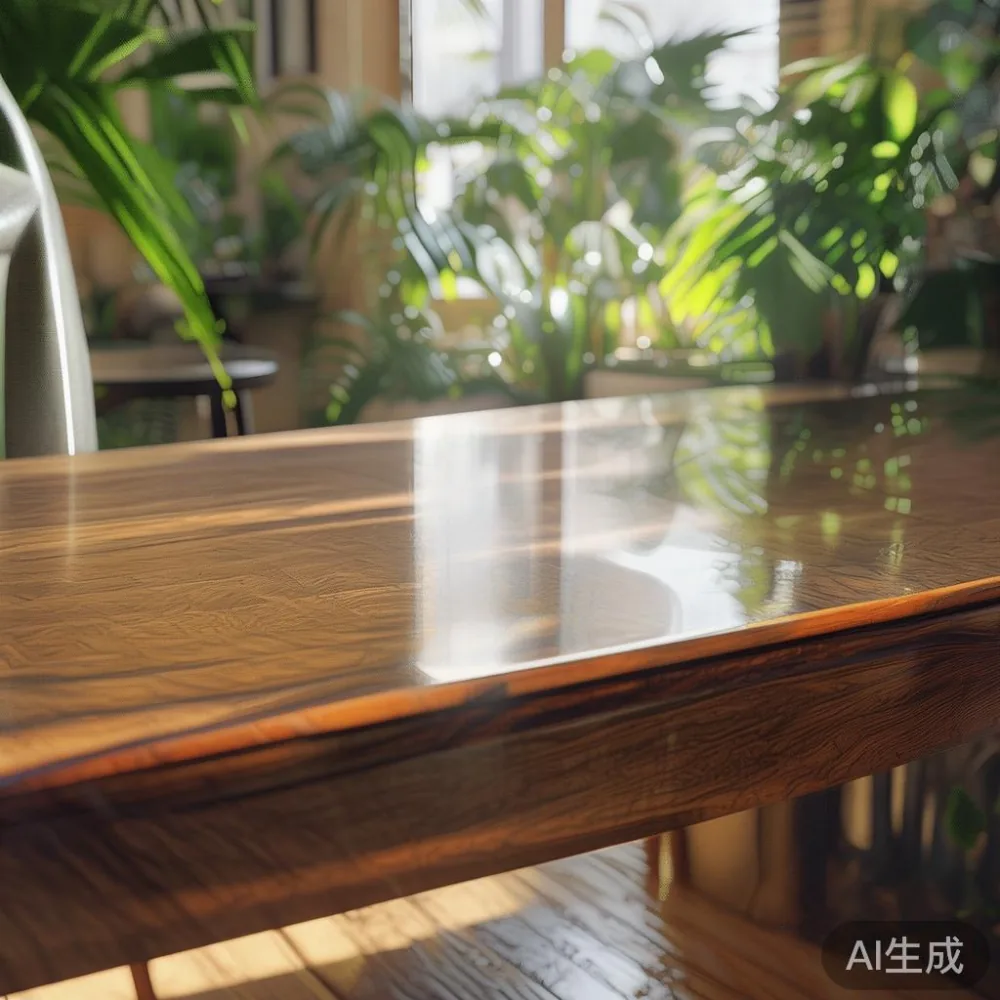
Most lacquer failures I see in Singapore are not the result of bad lacquer. They are the result of good lacquer meeting air that swings between 60 percent and 95 percent relative humidity every single week. A solid wood dining table expands and contracts across its width as moisture moves in and out of the grain. A typical 1.6-metre oak top can move 3 to 5 mm across a humid quarter. The lacquer film on top is much less forgiving. When the wood swells faster than the film, the lacquer micro-cracks along the joints. When the wood shrinks in a dry-air-con week, the film loses its grip and lifts at the edges.
Add the salt-laden air that drifts in from East Coast Park on a Sunday morning, the cooking aerosols from a nearby kitchen, and the 28°C ambient that never really drops, and you have a finish that is constantly under stress. The 10-year structural warranty on a MIDHILL dining table covers the frame and the joints; the lacquer surface itself is the part you, the owner, control day to day.
What Is the Best Missing Parts for a Small Apartment?
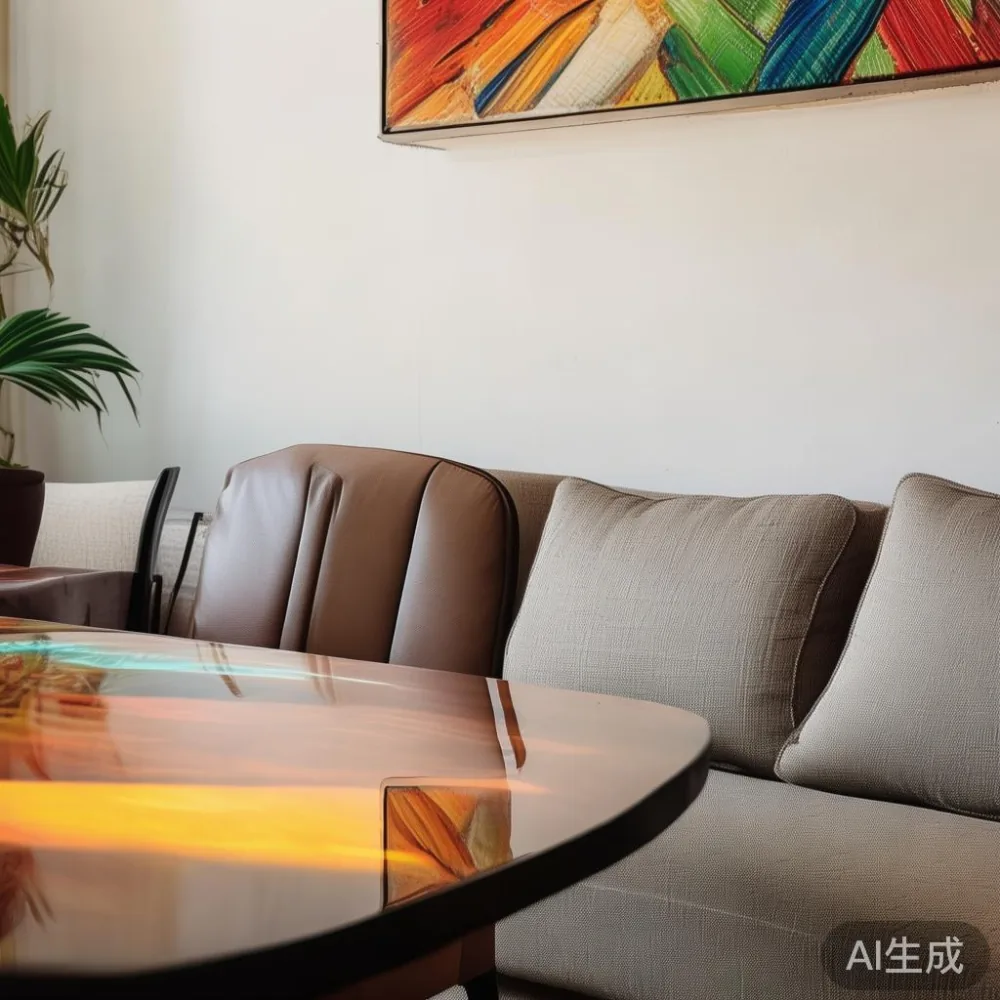
The single best “missing part” for a small HDB or condo dining table in Singapore is a set of self-leveling furniture pads sized to your exact table foot, because they absorb the daily micro-shocks from corridor搬运 (corridor moves) and stop the lacquer from chipping at the corners within the first six months. A 4-pack of felt-and-rubber pads costs about SGD 8 to SGD 18 at any Tampines Mall hardware shop, fits the 4 cm to 6 cm legs most compact dining tables use, and can be replaced in under a minute when the felt wears down.
For a 920 mm round dining table that seats four in a typical 90 sqm condo, the pads matter even more, because the table gets shifted during every Spring Cleaning. Lift, do not drag, and the lacquer around the apron stays intact. This is the same rule our team gives buyers who are choosing between a French light luxury dining table with tapered walnut legs and a heavier post-modern light luxury piece with a marble inlay: the lighter the leg, the more it needs the pad.
The 7-Day Cleaning Habit That Actually Works
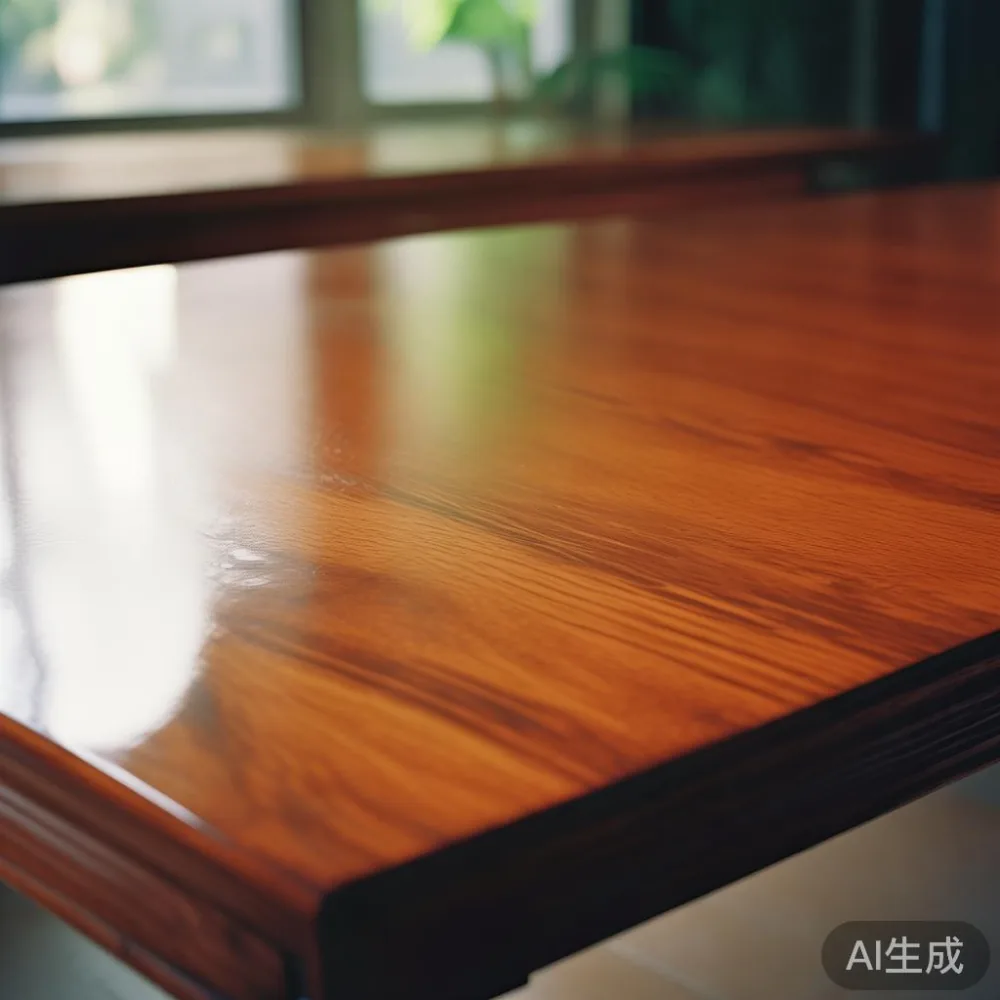
I tested four routines in my own apartment in Tiong Bahru over six humid weeks, and the winner was the simplest one. Every evening after dinner, wipe the lacquered dining table with a soft microfiber cloth lightly dampened with room-temperature water. That is the entire routine. No spray, no polish, no oil. Water alone removes the salt film that settles overnight, before it has time to bond with the finish.
Once a week, on a Sunday morning before the kopi is ready, follow up with a microfiber cloth barely misted with a pH-neutral wood cleaner. Wipe in the direction of the grain, then buff dry with a second cloth. The whole job takes three minutes for a 1.4 m rectangular top. Skip the silicone-based polishes sold at Mustafa Centre. They leave a film that looks beautiful for two days, then traps humidity and clouds the lacquer within a month. I have seen a SGD 2,400 dining table in a Punggol HDB go dull in eight weeks because the owner used Pledge every other day.
How Do You Handle Spills Without Ruining the Finish?
Spills on a lacquered dining table are not emergencies; they are timers. The longer the liquid sits, the deeper it penetrates any micro-crack. The rule from our refinishing workshop is two minutes. Wipe within two minutes and the lacquer survives. Wait twenty minutes with a glass of iced lemon tea and you are scheduling a professional touch-up at SGD 80 to SGD 150 per spot.
For a red-wine splash at a weekend dinner, blot, do not wipe. Press a clean microfiber cloth onto the spill, lift, repeat from the outside in. Wiping spreads the pigment into the grain and leaves a pink ghost that no home cleaner can remove. For oily sauces, a drop of mild dish soap on a damp cloth, followed immediately by a clean water wipe, is enough. Avoid anything with ammonia, bleach, or citrus solvents. They will strip the lacquer in a single pass.
How Should You Control Humidity Around the Table?
Singapore humidity is not going away, but the local swings are manageable. Aim to keep the dining table in a zone that stays between 55 percent and 70 percent relative humidity year-round. Running the air-con for four to six hours a day usually brings a 4-room HDB down into the 60s, which is the sweet spot for both you and the wood. A small dehumidifier cup under the table is symbolic, not useful. A proper 12 L/day dehumidifier in the dining area, sized for 20 sqm, runs about SGD 250 to SGD 400 and pays for itself by extending the life of the lacquer by several years.
If your dining table sits within 1.5 m of a floor-to-ceiling window, the morning sun will bake one side and leave the other in shade. That asymmetry is the number-one cause of the cupping I see on imported dining tables in Singapore. Draw the blind halfway from 11 a.m. to 2 p.m., or rotate the table 180 degrees every two weeks so the wear is even. We do the same rotation check on every MIDHILL dining table we deliver, because even a 200 mm shift toward the window over a year adds up.
What About Movers, Renovation Dust, and Lift Constraints?
Most HDB passenger lifts in Singapore have an internal door width of about 80 cm and a depth of about 130 cm. A solid wood dining table longer than 1.6 m usually has to be tilted on its side, which means the lacquered top is exposed to the lift wall and to the corridor’s metal handrails. This is where professional movers earn their fee. Insist that the top is wrapped in a moving blanket, not cling wrap. Cling wrap traps moisture against the lacquer and leaves a milky bloom within 48 hours that can take weeks to fade.
If your new condo is still in the middle of renovation, do not place the dining table inside until the painting, sanding, and varnishing are fully cured. Silica dust from hack-down jobs is finer than flour and will settle into the lacquer pores. One Punggol client of mine had her dining table delivered two days before the final coat of wall paint; the mist from the roller floated across the top and left a permanent orange-peel texture. The MIDHILL team now schedules Singapore deliveries around the renovation calendar so this does not happen, and we include the protective blanket in every shipment at no charge above the SGD 350 free-shipping threshold.
When Should You Refinish Instead of Replace?
A quality lacquered dining table from a workshop like MIDHILL can be refinished two to three times across its life, and each refinish buys you another 8 to 12 years of service. The signals that you are due for a refinish rather than a replacement are simple: the surface feels rough instead of glassy, you can see white haloes around scratches, or the colour has yellowed past the point that cleaning helps. A full sand-and-rerun at our Foshan facility costs roughly SGD 280 to SGD 480 including return shipping to Singapore, and most owners choose to bundle it with a light luxury dining table touch-up if they own other pieces from the same collection, such as a matching bed frame, wardrobe, or nightstand.
The lifetime refinishing service we offer applies to any dining table, marble table, or solid wood sofa frame we have made since 2008. Customers send us photographs first, we confirm the cost in SGD, and the piece is collected, refinished, and returned within 35 to 50 working days including sea transit. Many owners use the window to upgrade the hardware, swap a beige top for a richer walnut tone, or convert a six-seater into a larger eight-seater by extending the apron.
A Few Habits Worth Keeping
Place coasters within arm’s reach. Keep a microfiber cloth folded next to the table. Lift, never drag, when you rearrange for guests. Open a window for ten minutes after cooking to clear the aerosols. These are not dramatic habits, but they are the difference between a dining table that looks new at year five and one that looks tired at year two. A lacquered surface is a living skin. Treat it gently and respond quickly, and it will outlive three air-conditioner replacements, two sets of dining chairs, and the GST adjustments in between.
Whether you have just unboxed a French light luxury dining table for your Punggol condo or you are still browsing options that pair with a solid wood bed frame and a marble side table, the care routine above is the one I trust on my own dining table at home, and the one I have seen work across hundreds of Singapore deliveries.