Choosing the Right Sofa for Singapore Living
A sofa can look generous in a showroom photograph and still fail in an HDB flat. The seat may be too deep, the armrest too broad, or the route from the Tampines lift too narrow for the carton. Since the product cannot be sat on until it reaches your home, the checks must happen before payment—not after the delivery crew stands in your corridor. This guide explains how to judge comfort, dimensions, access, and support for a solid wood sofa in Singapore.
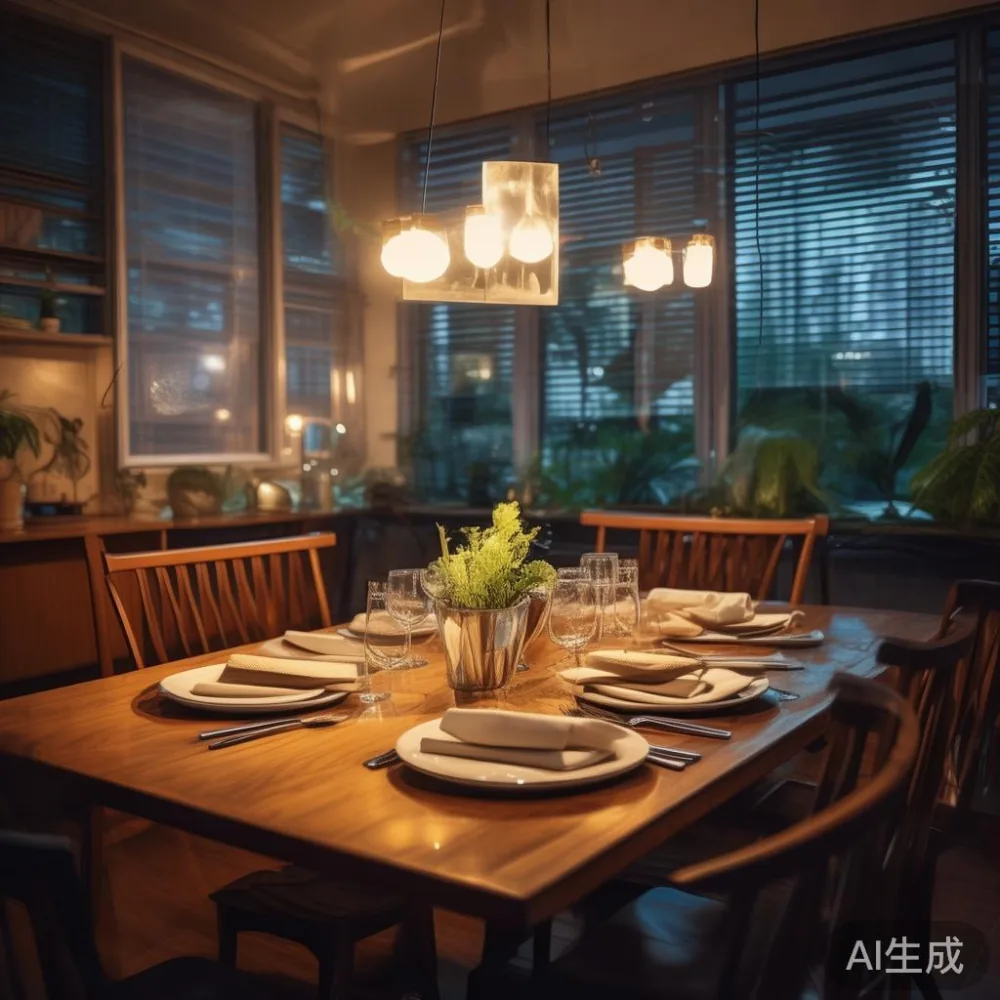
As a practical example, many living rooms in Bedok and Punggol condos measure only 2.8–3.6 metres across. A sofa advertised as 220 cm wide may fit along a wall but leave just 45 cm for a common walking route. I tested this principle last month with a colleague's 198 cm sofa: its showroom seat looked inviting, yet its 58 cm depth made the cushion’s usable section feel short. That experience shaped the measurements below.
What makes a sofa genuinely comfortable to sit on?
Begin with usable seat depth rather than the number printed on the product sheet. For most adults, a clear seat depth of 48–54 cm supports the back without leaving the front edge unused. A deeper design may still work for tall or reclining users, but it is less suitable for shorter family members. The back should meet the seat at roughly 100–110 degrees; anything upright near 90 degrees can feel tiring during a 45-minute meal or a long evening.
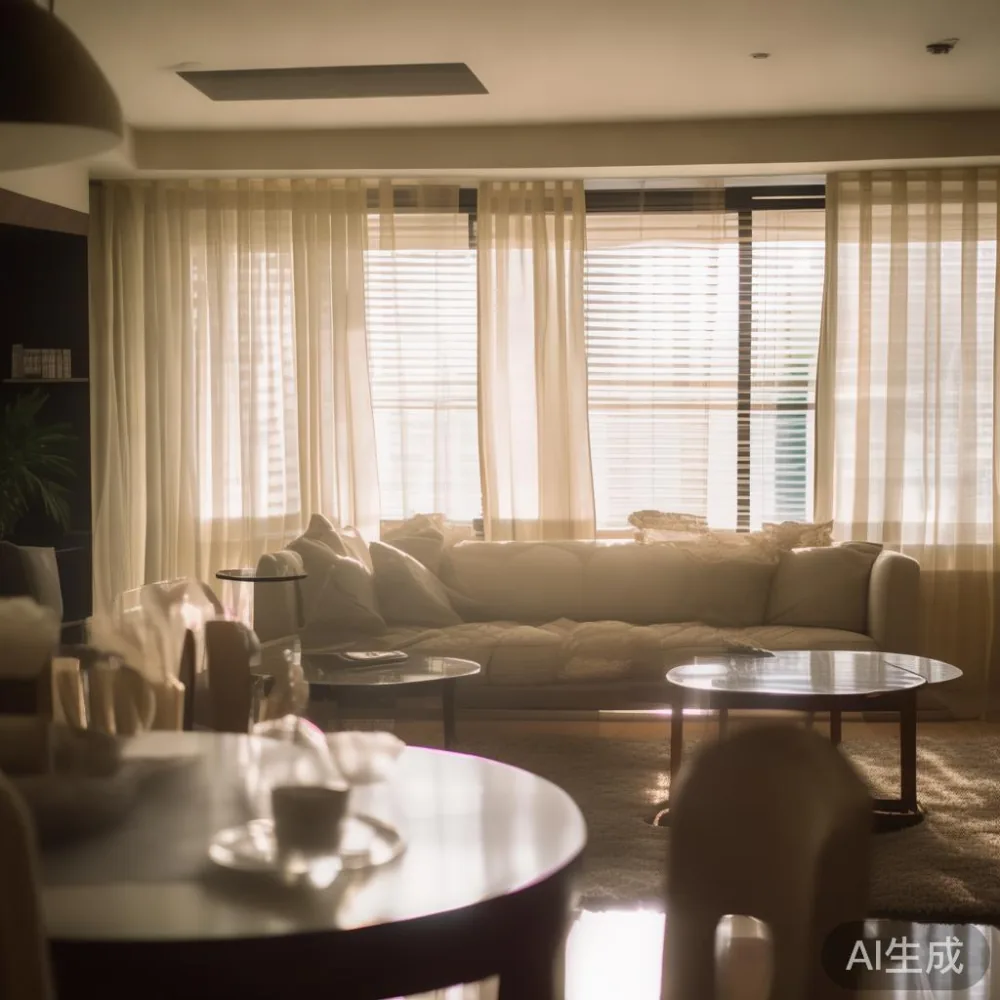
Seat height matters just as much. A finished height of 40–43 cm generally suits adults, while 37–39 cm can make rising difficult for someone over 65. The cushion should compress under body weight without bottoming out, and the front edge should not press sharply behind the knees. Ask for the seat-height measurement after the legs are fitted, not the height of the frame alone.
Firmness should be described with numbers and demonstrated. A high-density foam core around 35–42 kg/m³ can provide support, but the comfort layer still determines how the sofa feels. If the upholstery feels thinner than 5 cm, check whether the filling can be replenished. Do not accept “comfortable” as a substitute for a live sitting test or a clear sample.
Armrests should be wide enough to support the forearms without forcing a narrow seat. An armrest width of 12–16 cm works for most proportions. Back cushions need enough loft to support the shoulders, ideally 15–20 cm, and removable covers make cleaning easier in humid Singapore conditions.
How wide is too wide for an HDB living room?
Measure the wall, but also measure the route. Leave at least 80–90 cm for a main passage and 60 cm in less frequently used zones. A 200 cm sofa can dominate a 3.2 m room even when it physically fits. Before choosing a width above 210 cm, compare the layout with the actual dining table nearby. In open-plan homes, the dining table, bed frame, wardrobe, nightstand, and sofa should form a deliberate sequence rather than a collection of oversized objects.
One useful method is to tape the sofa footprint on the floor with masking tape. Mark 90 cm in front for circulation, 60 cm beside it for occasional access, and the swing space required by any armchair. Live with the outline for 2 days. This reveals problems that a showroom sketch hides, especially where sliding doors must open fully.
For local families, a modular or slim-arm design often gives more flexibility than a fixed 240 cm model. However, narrow arms can reduce usable seating width. Check the number of seats based on each person’s width: around 55 cm of clear seat space per adult is practical, while 48 cm is acceptable for a compact arrangement. A sofa labelled “three-seater” may offer only 145 cm of usable width.
Can the sofa pass through the lift, corridor, and doorway?
The finished sofa width is only one part of delivery. Ask the retailer for the packed dimensions, carton weight, and whether the sofa can be separated into sections. For a solid wood sofa, the assembled frame may weigh 65–110 kg, while a packed unit can reach 35–70 kg. These figures affect lift limits, corridor turns, and the number of delivery workers needed.
In many older HDB blocks, a standard lift doorway measures about 90 cm wide and 200 cm deep, although building-specific measurements vary. Common HDB corridors are around 120–150 cm wide, and the turning space at a staircase can be much tighter. Measure your own lift rather than trusting a housing-type estimate. Include the door width, the hallway corner radius, and any overhead pipe or ceiling obstruction.
A sofa that must turn through a right-angled corridor needs to be evaluated diagonally. Do not accept an assurance based only on its narrowest dimension. Get confirmation that the packed length can be manoeuvred through the lift and that the turning path remains clear on the delivery date. A sectional with removable legs and backs gives the crew more options than one continuous frame.
Older lift cabins may also have a rated capacity of 600–1,000 kg. A sofa plus 2 delivery workers can easily exceed 375 kg, so the building manager may require a second trip or a service-lift booking. Check the owner guidelines and reserve at least 3–5 working days for a weekend slot if required.
Will the solid wood frame support years of daily use?
“Solid wood” is useful only when the species, components, joinery, and finish are identified. Ask whether the visible frame, arms, and legs use solid hardwood or whether solid wood is limited to decorative panels. A credible sofa frame may use kiln-dried hardwood rails, corner blocks, and dowelled or mortise-and-tenon joints. Avoid constructions held together mainly by short screws into particleboard.
Here, solid wood sofa terminology can be misleading. A frame with a hardwood core and plywood back panel may be more stable than a visually “all-solid” frame with weak joints. Request sectional drawings or photographs of the underside. You should see rails, supports under the seat, corner reinforcement, and a properly fixed rear panel.
Check the suspension system. Sinuous springs should sit roughly 10–15 cm apart, and webbing should be tensioned rather than slack. For frequent use, a combination of webbing and foam can soften the initial feel, but the support should recover rather than sag within 6 months. Sit near the front, centre, and rear edge; then stand and inspect whether the cushions return evenly.
Wood movement also deserves attention. Singapore’s humidity often ranges around 65–85%, and solid timber can expand or contract by roughly 1–3% across its width during seasonal changes. The frame should allow controlled movement without loose joints. A matte or satin finish with a compatible sealer is generally practical around dining-table areas, where spills and food residue are more likely than in a formal lounge.
Ask about the warranty in writing. MIDHILL provides a 10-year structural warranty and lifetime refinishing, but coverage still depends on the definition of “structural.” Confirm whether it applies to the sofa frame, joints, and spring system; whether moving or accidental damage is excluded; and how claims are assessed. Keep the invoice and installation records for at least 5 years.
What should a light-luxury sofa include without becoming impractical?
Light luxury is about proportion, material quality, and restrained detail—not an abundance of decoration. A French light luxury direction may use curved arms, a soft neutral palette, and finely upholstered surfaces. American light luxury often means deeper cushions, wider proportions, and a substantial timber frame. Post-modern light luxury can pair clean geometry with warm timber and tactile fabric.
These stylistic references should not distract from the fit. A deep American sofa may need 105–120 cm of room depth, while a French-inspired silhouette can visually occupy more floor area because of its raised legs and open underframe. A dining table nearby also sets the scale: if the table is 180 cm long, a 220 cm sofa should not create two competing horizontal masses.
For material inspection, look for seams that remain straight under tension, cushions with piped edges, and legs aligned within about 2–3 mm. Fabric composition should be stated in percentages. A practical 60–80% polyester and 20–40% linen blend may resist daily wear better than pure linen, while still meeting the colour direction. Request 10 cm by 10 cm fabric samples and test them for colour fastness with a damp white cloth.
At MIDHILL, the solid wood sofa, dining table, bed frame, wardrobe, nightstand, and marble table ranges share a material-led design language. The point is not to make every room look identical, but to ensure timber tones can work together. For example, an oak-toned dining table can sit beside a sofa with a warm natural frame; a marble table may need cooler upholstery to balance its visual weight.
Are you buying for everyday meals, short visits, or long relaxation?
The intended use determines which dimensions deserve priority. For everyday meals, choose a seat depth of 45–50 cm, a firm front edge, and washable covers. For short visits, a firmer 42–45 cm seat can preserve space. For long relaxation, 52–58 cm may suit taller users, provided the back angle, lumbar support, and neck position remain comfortable.
Many sofas marketed for family dining are not designed for dining tables placed immediately in front. The table edge should normally sit 25–40 cm from the sofa, leaving room to pull out a chair and stand without scraping the upholstery. If the dining table is part of the same open-plan arrangement, model the complete clearance rather than viewing the sofa as a standalone object.
Consider removable seat cushions and slipcovers. Families in Singapore often need to manage stains, pet hair, and humid weather. A washable cover should have a replacement cost below about 15–25% of the sofa price if damage is likely. Ask whether the cover can be machine-washed at 30°C or requires dry cleaning.
Test access too. A tall sofa back can make the room feel smaller and restrict sightlines across a dining table. A back height around 78–86 cm balances privacy with openness. Low profiles may suit HDB flats, but they can also make the dining area feel crowded if the room ceiling is below 2.5 m.
What should be confirmed before the delivery crew arrives?
Record the sofa’s exact finished dimensions, including the leg projection. A 205 cm sofa may extend to 215 cm when tilted or assembled. Check the floor clearance under the frame, commonly 12–18 cm, because that determines whether a robot vacuum can pass beneath it. Legs should have floor pads and enough height to avoid metal contact with stone or tile.
Confirm the delivery route in writing, including the building, block, lift, and contact number. Ask whether delivery is curbside, room-of-choice, or assembly included. Some couriers quote a basic doorstep service that does not cover carrying the sofa into the unit. For difficult HDB access, a two-person service or hoisting option may add S$80–S$220, but prices should be confirmed rather than assumed.
Check the return policy and condition requirements. MIDHILL offers a 14-day return window and free shipping over US$350, with prices shown in SGD at checkout. Read the terms for bulky furniture, since return freight, restocking charges, and original packaging requirements can affect the cost. Photograph the sofa and packaging on arrival before the crew leaves.
Price transparency matters as much as appearance. A substantial solid wood sofa in Singapore may range from about S$2,800 to S$6,500, depending on timber, foam, and detailing. Marble table designs may sit separately at approximately S$1,600–S$4,200. These are comparison bands rather than universal prices, but they help identify when a discount depends on a less demanding frame or thinner cushion.
Some adjacent purchase guides use broad phrases such as the best Modern light luxury wardrobe for 2026, best Italian light luxury wardrobe for 2026, or the best Rustic bed for 2026. For a sofa, the equivalent judgement is more practical: can the frame carry weight, can the seat be used by several body types, and can the carton reach the intended room? A product-search label cannot replace dimensions or a site visit.
How can you compare showroom comfort without sitting on the sofa?
Use a measuring tape, a sample cushion, and the room drawing. Sit temporarily on a chair with a similar seat height of 42 cm, then compare its depth with the sofa specification. Place the tape along the usable cushion from the back cushion to the front edge. This simple exercise often exposes a 5–10 cm difference between the visual impression and the actual usable space.
Request a comfort demonstration if possible, with the frame assembled and cushions fitted. Press each cushion for 10 seconds, release it, and watch whether it recovers within roughly 5–15 seconds. Check for movement or squeaks by applying controlled pressure at all four corners. The demonstration should take at least 15 minutes because comfort can change after several minutes of sitting.
For whole-room planning, include a scale drawing of the dining table, bed frame, wardrobe, nightstand, and circulation routes. A dining table of 160–180 cm often needs 90 cm around each end and 75–90 cm between chairs and walls. A round dining table can ease conversation, but its 105–120 cm diameter still needs clearance behind occupied chairs. Use a layout tool or masking tape before approving a wide sofa.
Do not let finish trends replace suitability. Mid-century modern for dining room design may suit a compact flat, but that does not mean a mid-century sofa will fit. French, American, and post-modern light luxury references can guide colour and shape; access measurements decide whether the design works.
What questions should you ask the seller before paying?
Ask: “What are the usable seat depth, seat height, clear seat width, armrest width, and finished back height?” Then ask: “What are the packed dimensions and weight, and can the back and legs be removed for transport?” These questions produce facts that can be checked against your own measurements.
Next, ask: “Which parts are solid wood, what timber species are used, and how are the joints reinforced?” Request: “What does the 10-year structural warranty cover?” Confirm: “Is GST included in the quoted SGD price, and are delivery, lift booking, assembly, and return collection charged separately?” A written quotation should make every figure identifiable.
Finally, ask for the finish-care method. A timber frame may need dusting with a dry cloth and occasional re-oiling, while stone surfaces require a pH-neutral cleaner. Spills near a dining table should be removed within 5 minutes. Avoid silicone-based polish on timber, because it can make future refinishing more difficult.
The safest purchase is not simply a handsome photograph of a MIDHILL sofa. It is a frame you can inspect, cushions you can measure, and a delivery route you have walked. Give the sofa at least 30 cm of practical breathing space, confirm access at every turn, and keep the final dimensioned quotation. If any supplier cannot provide those details, treat the uncertainty as part of the product’s cost.