What Actually Drives the Price of Solid Wood Dining Tables
For homeowners in Singapore, from those in compact HDB flats in Tampines to those with more spacious condominiums in Punggol, the dining table is more than just a piece of furniture. It is the heart of the home, a gathering place for family meals, a workspace for children, and a centrepiece for social gatherings. When you begin the search for a new dining table, you will encounter a wide range of prices, from a few hundred Singapore dollars to several thousand. It's a significant investment, and understanding what you are paying for is key to making a choice you will be happy with for years to come. This article breaks down the tangible factors that determine the cost of a solid wood dining table, helping you see beyond the price tag to the true value of the piece.
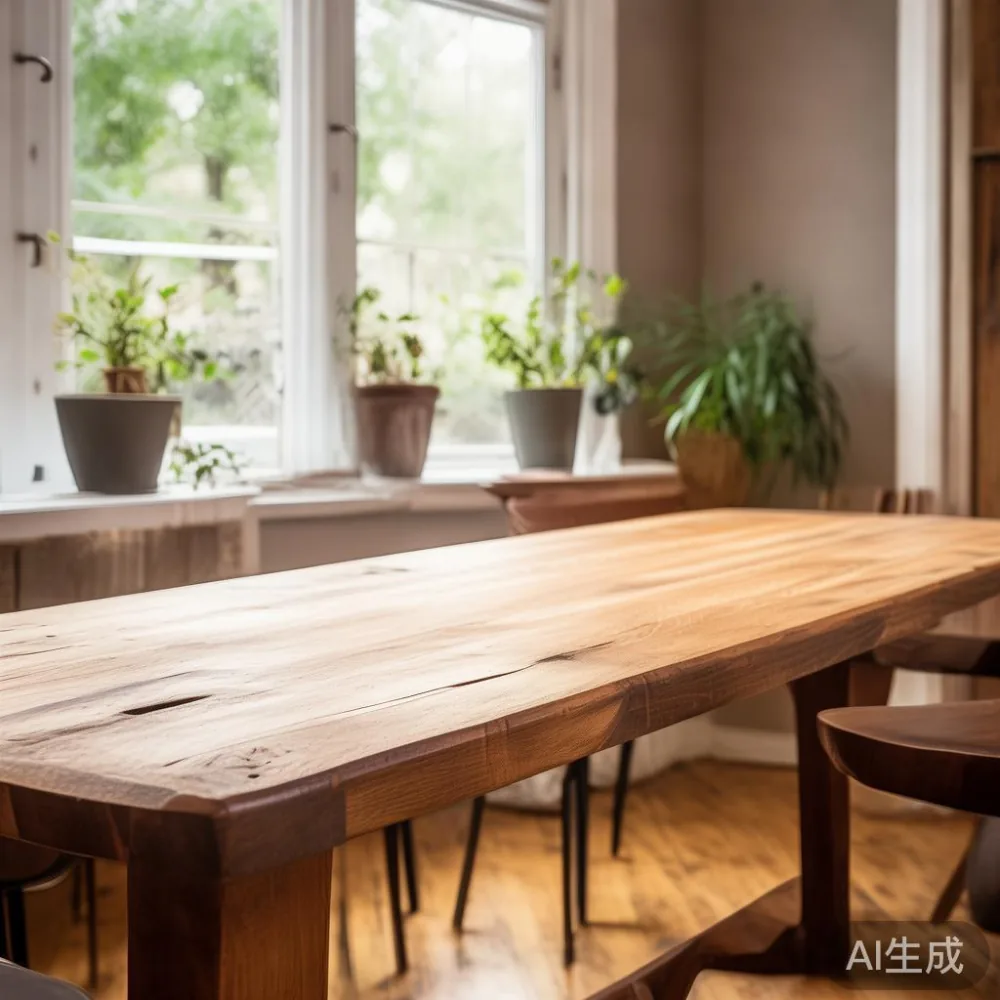
Why Is a Solid Wood Dining Table More Expensive Than a Veneer One?
The most fundamental price difference begins with the material itself. A solid wood dining table is crafted from a single, solid piece of timber, such as oak, walnut, or mango wood. This means that from the tabletop to the legs, the entire structure is one continuous material. In contrast, a veneer dining table uses a thin layer of real wood bonded over a core of engineered wood like MDF (Medium-Density Fibreboard) or particleboard. The core material is significantly cheaper and less stable. Solid wood, on the other hand, is a natural, durable material that ages gracefully, developing a unique patina over time. It can be sanded down and refinished multiple times, extending its lifespan for decades. This inherent durability and longevity are reflected in the initial cost. For instance, a solid mango wood dining table might weigh between 35 to 50 kg, while a veneer alternative of similar dimensions could weigh as little as 15 kg, a clear indicator of the material density and quality difference.
How Wood Type and Origin Affect the Price of Your Dining Table
Not all wood is created equal, and the species you choose for your dining table will have a major impact on the final price. Hardwoods, which come from deciduous trees, are denser, more durable, and more resistant to wear and tear than softwoods. Common hardwoods used for dining tables include oak, known for its prominent grain and strength; walnut, prized for its rich, dark colour and straight grain; and maple, which has a light, uniform appearance. These premium materials cost more due to their slower growth rates and the extensive processing required. The origin of the wood also plays a role. North American white oak, for example, is a popular choice for American light luxury dining tables and commands a higher price due to its quality and the sustainable forestry practices often associated with its sourcing. A solid oak dining table can easily start from SGD 2,800 and go upwards, reflecting the material's premium status. In contrast, a dining table made from a more readily available wood like rubberwood might be priced around SGD 1,200 to SGD 1,800. This difference is not arbitrary; it is a direct reflection of the wood's physical properties and its aesthetic appeal in a light luxury context.
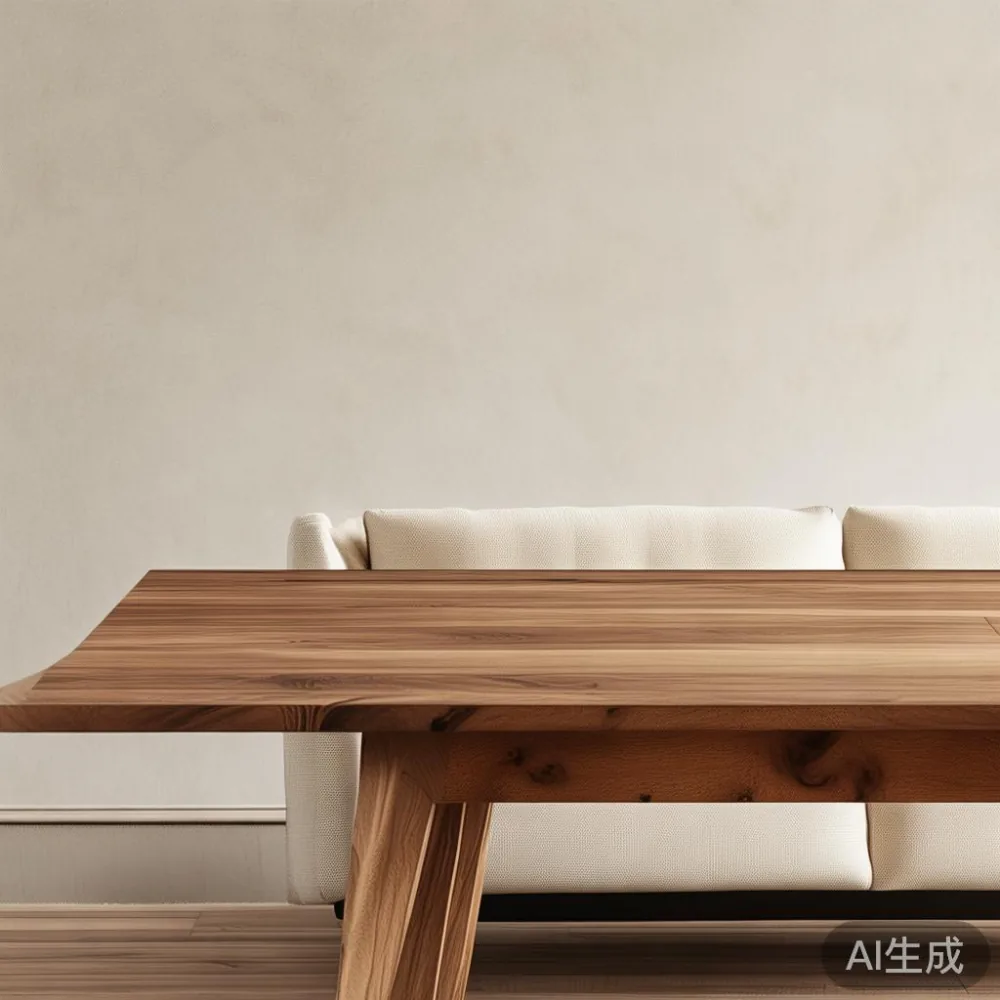
Does the Design and Craftsmanship of a Dining Table Justify the Price?
Once the material is selected, the design and craftsmanship come into play. A simple, straightforward design with clean lines will be less expensive to produce than a complex one. Consider the joinery: the methods used to connect the tabletop to the legs or to attach the table leaves. High-quality furniture makers use traditional joinery techniques like mortise and tenon joints or dovetail joints. These methods create incredibly strong, interlocking connections that are far superior to simple screws or staples. A dining table with mortise and tenon joints is built to last a lifetime, whereas one held together with metal brackets may loosen over time. The finish is another critical factor. A multi-step finishing process involves sanding between each coat of lacquer or oil to create a perfectly smooth, durable surface. This level of craftsmanship takes time and skill, which is a direct cost. My colleague, who visited a workshop in Foshan last month, noted that the artisans there spend up to 40 hours hand-sanding and applying a seven-step lacquer finish to a single dining table to achieve the flawless, light-reflecting surface characteristic of French light luxury design. This meticulous process is a key part of the value, ensuring the table not only looks beautiful but is also protected from daily use.
Why Does the Size and Shape of a Dining Table Influence the Price?
In Singapore, the physical dimensions of a dining table are not just about preference; they are about practicality. The width of your corridor and the lift in your HDB flat or condo will dictate the maximum size of the table you can bring home. A standard rectangular dining table for 6 people might measure 180 cm long and 90 cm wide. However, extending this to a 10-seater table could mean a length of 240 cm or more. The larger the table, the more material required, which directly increases the cost. The shape also matters. A round dining table, often preferred for smaller spaces like those in a Bedok HDB, might seem simpler, but creating a perfectly round tabletop from a single slab of wood is a challenging woodworking task that requires precision. Also, many modern dining tables are designed to be extendable. A table with self-storing leaves that pull out from within the frame is more complex and expensive to manufacture than a static table. This added functionality provides flexibility for hosting guests but comes at a premium, often adding SGD 800 to SGD 1,500 to the base price of the table.
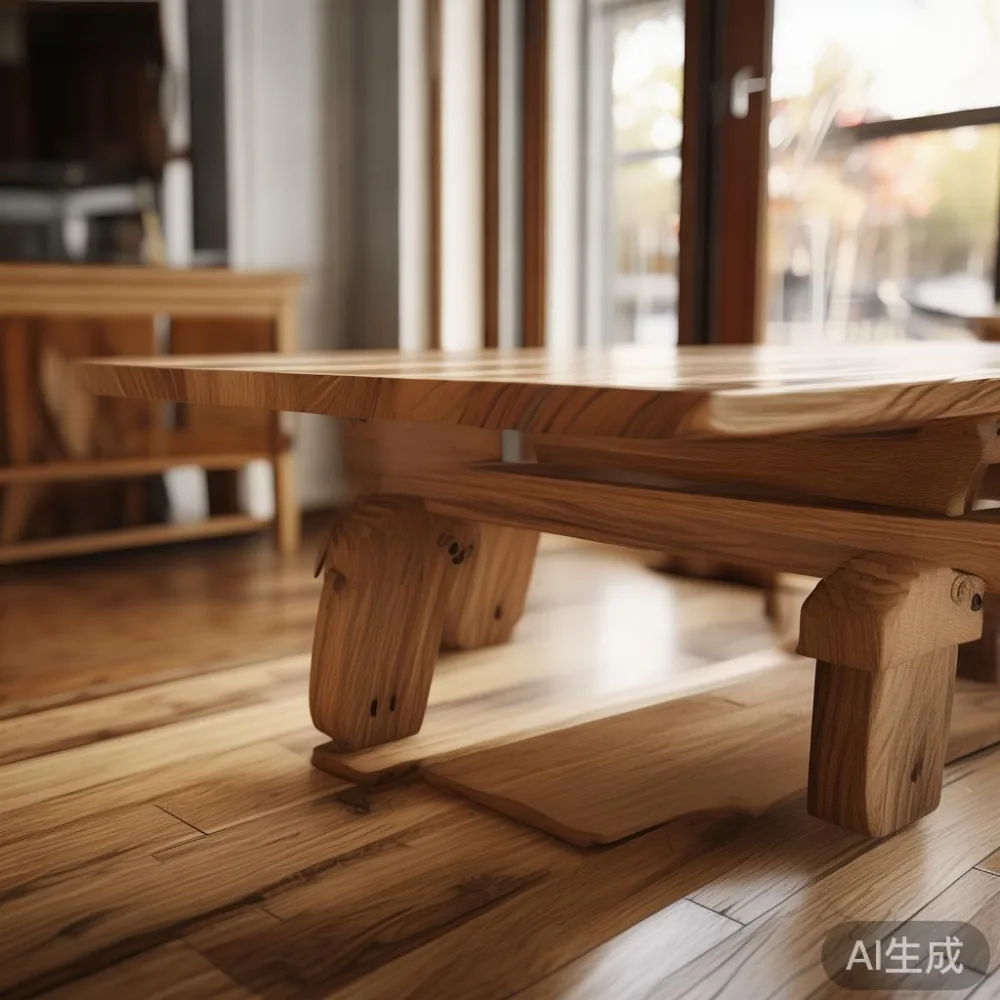
What is the True Cost of Delivery and Warranty for a Dining Table?
The price you see on a website or in a showroom rarely tells the whole story. Delivery is a significant component of the final cost, especially for a large, heavy item like a solid wood dining table. Professional delivery involves specialised vehicles, trained personnel to work through tight corners in Singapore's older estates, and often includes assembly in your home. For a dining table that weighs 40 kg and measures 200 cm, the logistics are complex. Many brands charge a separate delivery fee, but some, like those with a strong commitment to customer satisfaction, offer free shipping for orders over a certain value. For example, a purchase of over SGD 350 might include complimentary delivery to your Tampines address, which can save you SGD 150 or more. The warranty is another factor that reflects the quality and the manufacturer's confidence in their product. A 1-year warranty is standard, but a 10-year structural warranty on a dining table is a sign of superior build quality. This warranty covers defects in the frame and joinery, giving you peace of mind. It's a promise that the dining table is an investment, not just an expense. Some brands also offer a lifetime refinishing service, which means if the surface of your table is ever damaged, they will help you restore it, extending its life indefinitely. This level of after-sales support is part of the value proposition.
Are There Hidden Costs Like GST and Assembly for a Dining Table?
In Singapore, it is important to remember that the advertised price of a dining table may not be the final price you pay. The Goods and Services Tax (GST) of 9% is applied to most furniture purchases. So, if a dining table is listed at SGD 2,000, the final price at checkout will be SGD 2,180. This is a mandatory government levy that applies to all purchases and is a standard part of the cost of living here. Another potential cost is assembly. While some dining tables come with clear instructions for self-assembly, a solid wood dining table, especially a larger one, is often best assembled by professionals to ensure it is set up correctly and safely. Some brands include basic assembly in their delivery fee, while others charge an additional SGD 80 to SGD 150 for this service. It is wise to ask about this during your purchase. For instance, a colleague recently purchased a large marble dining table and opted for the professional assembly service. He noted that the two technicians took over an hour to carefully position the 80 kg marble top onto the solid wood base, ensuring it was perfectly level and secure. This professional touch prevents potential damage and ensures the longevity of your investment, making it a worthwhile consideration.
How Does a Dining Table Fit into a Broader Light Luxury Home Style?
Your dining table does not exist in a vacuum; it is a key piece within your home decor. When considering the purchase, it's helpful to think about how it will complement other furniture in your space. For example, if you are aiming for a cohesive French light luxury aesthetic in your Punggol condo, you might choose a dining table with elegant, curved legs and a soft, whitewashed finish. This style would pair beautifully with a light luxury sofa upholstered in a neutral fabric and perhaps an Italian light luxury sideboard to store your dinnerware. The harmony between these pieces creates a sophisticated and unified look. The choice of a dining table also influences other decor decisions. A dark walnut dining table might inspire you to select complementary pieces like a solid wood bed frame with similar undertones or a rustic nightstand for the guest room. Understanding how to style French sofa in an apartment can also inform your dining table choice, as the principles of balancing textures and creating a harmonious flow apply to all living spaces. For those looking ahead, considering the best light luxury sofa for 2026 might mean choosing a dining table with a timeless design that will not clash with future furniture purchases. Ultimately, the dining table is an anchor for your dining area, and its quality and style set the tone for the entire room.