Optimizing Space and Light in Singapore Apartments
Living in a Singapore apartment, whether a compact HDB flat in Tampines or a streamlined condo unit in Punggol, presents a unique set of challenges. The urban density, narrow lift corridors, and the need for multi-functional spaces demand a thoughtful approach to interior design. The goal is not simply to fit furniture into a limited area, but to create an environment that feels open, airy, and sophisticated. This guide explores practical strategies for styling your small apartment, focusing on furniture choices, layout principles, and the nuanced details that make a space feel expansive rather than cramped.
Understanding Your Spatial Constraints: Singapore Realities
Before selecting a single piece of furniture, it is important to understand the physical limitations of your home. In Singapore, this means measuring everything. Standard HDB lift cars are typically 110 cm wide by 210 cm deep, which dictates the maximum size of any item you can bring upstairs. Corridor widths in older estates like Bedok can be as narrow as 120 cm, leaving little room for maneuvering bulky items. A large, solid wood dining table might look stunning online, but if it cannot fit through your door or around the corner in the hallway, it is a non-starter. Always measure your doorways, lift dimensions, and the path from the entrance to your intended room. This practical step prevents costly mistakes and ensures a smooth delivery process. For instance, a standard door is about 80 cm wide, so any piece of furniture wider than that will need to be angled carefully or disassembled if possible.
Choosing Furniture That Works with Your Space, Not Against It
The furniture you select is the backbone of your apartment's design. In a small space, every piece must earn its place. This means prioritizing items that offer dual functionality or have a visual lightness. A solid wood sofa with high, slender legs creates a sense of openness underneath, making the floor appear larger than it is. Similarly, a dining table with a pedestal base instead of four bulky legs offers more legroom and a less obstructed view, which is invaluable in a studio or open-plan layout. The material of your furniture also plays a significant role. Light-coloured woods, such as ash or maple, reflect more light than darker woods like walnut, contributing to a brighter, more airy feel. For those seeking a specific aesthetic, a well-chosen piece can define a room without overwhelming it. For example, incorporating a French provincial for bedroom set, known for its elegant curves and light finishes, can create a serene and luxurious retreat even in a modestly sized room.
How to Choose a Dining Table That Doesn't Dominate Your Room?
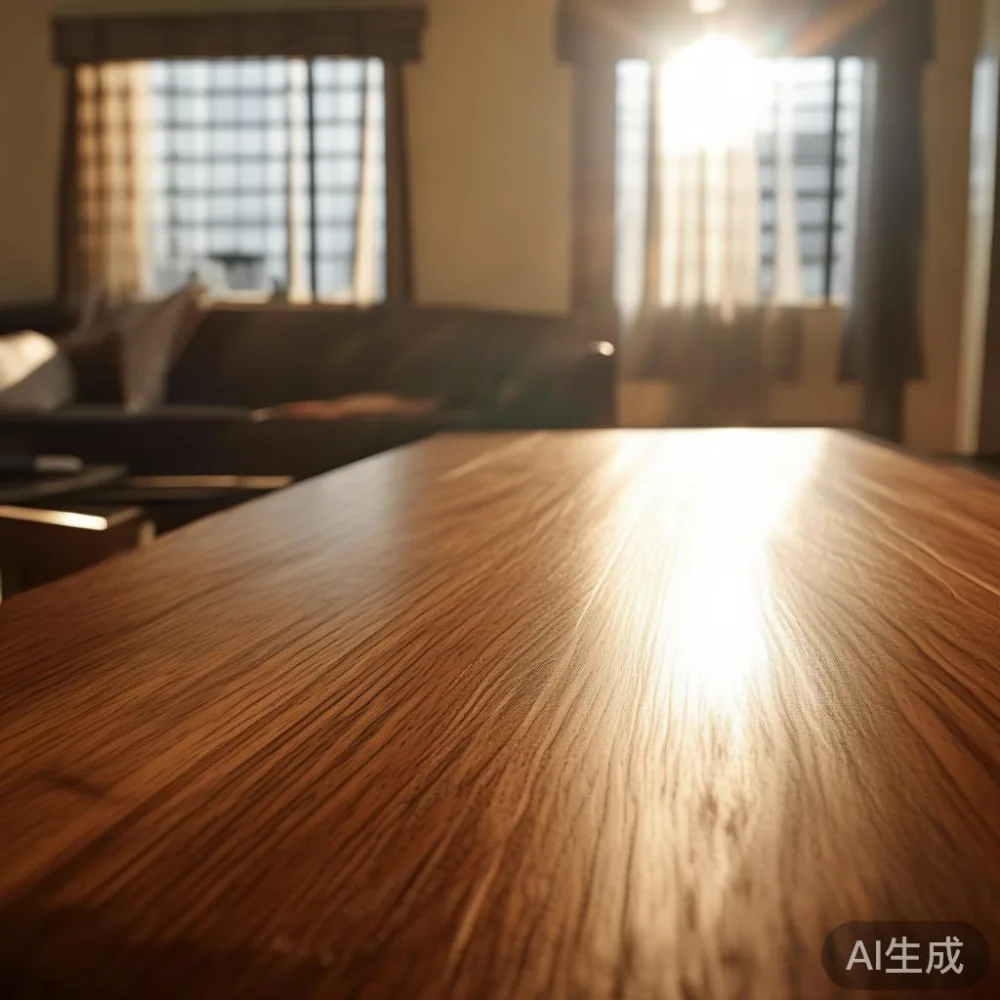
The dining table is often the largest piece of furniture in a living or dining area, making its selection a critical decision for a small apartment. A large, rectangular dining table can easily consume valuable floor space and make a room feel cluttered. The solution lies in choosing a table with a smaller footprint. Consider a round or oval dining table, which encourages better flow and conversation without sharp corners protruding into walkways. A table with drop-leaf sides is another excellent option, allowing you to expand it for guests and fold it down to save space on a daily basis. The size should be proportional to the room. A good rule of thumb is to ensure there is at least 75 cm of clearance on all sides of the table for comfortable seating and movement. For those on a budget, exploring options for under 2000 Minimalist furniture can yield fantastic results, proving that style and functionality do not have to come with a hefty price tag. The right dining table should be the anchor of the room, not an obstacle.
The Power of Light and Colour in Small Spaces
Light and colour are the most powerful tools for manipulating the perception of space. In Singapore, where natural light can be a precious commodity, maximising it is paramount. Use light-coloured walls in shades of off-white, soft greys, or pale blues to reflect light and make walls feel receded. Avoid dark, saturated colours on large surfaces as they absorb light and can make a room feel smaller and more enclosed. Mirrors are another invaluable tool. Placing a large mirror opposite a window or in a dark corner can dramatically increase the amount of light in a room and create the illusion of depth. For furniture, consistent colour schemes help unify a space. A palette of whites, beiges, and light woods creates a cohesive and serene backdrop. For a touch of sophisticated contrast, consider an Italian light luxury nightstand. Its clean lines and premium materials can add a focal point of elegance without disrupting the room's airy feel, proving that even small accents can make a big impact.
Creating Zones for Function and Flow
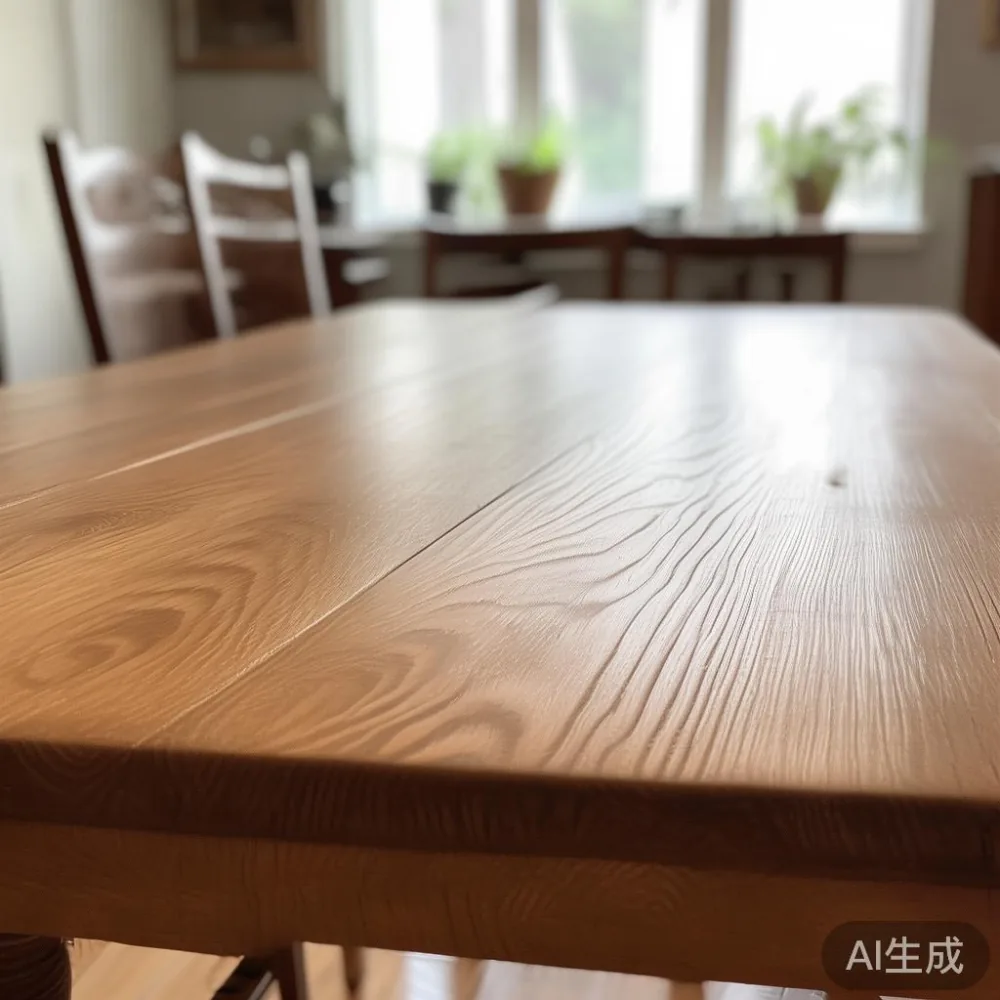
In a studio apartment or a small condo, defining separate areas for living, dining, and working is key to avoiding a chaotic, cluttered look. This is achieved through strategic furniture placement and the use of rugs and lighting. A large area rug under the living room seating instantly anchors the space and separates it from the dining area. The position of your dining table can also help delineate zones. Placing it near a window or in a corner of the room carves out a dedicated dining nook. Lighting is another effective zoning tool. A pendant light directly above the dining table signals that this is a distinct area, while a floor lamp next to a sofa defines the living space. This approach allows you to create a multi-functional home where each activity has its own designated spot, promoting both organisation and visual calm.
Smart Storage Solutions: The Unsung Heroes of Small Living
Clutter is the enemy of a spacious-feeling home. Effective storage is therefore non-negotiable. Look for furniture that doubles as storage, such as a bed frame with built-in drawers, an ottoman that opens up to reveal hidden space, or a console table with shelves or cabinets. In the bedroom, a wardrobe with sliding doors is a better choice than one that swings open, as it saves precious floor space and prevents the door from blocking walkways. Vertical storage is also your friend. Tall, narrow bookcases or wall-mounted shelves draw the eye upward, making ceilings feel higher and using often-wasted vertical space. For those who appreciate a more curated aesthetic, there is a growing market for for sale light luxury furniture that incorporates clever storage solutions, demonstrating that practicality and style can coexist beautifully.
Personal Touches and Styling Details
Once the major furniture is in place, it's the smaller details that bring your apartment to life and infuse it with your personality. However, in a small space, these details must be chosen with care. Avoid an abundance of small, knick-knack ornaments that can create visual noise. Instead, opt for a few larger, more impactful pieces of art or decor. A single large painting on a wall can make a stronger statement than a gallery of small frames. For textiles, choose fabrics with simple, clean lines. A linen sofa or a cotton duvet cover adds texture without adding visual weight. Plants are another excellent way to add life and colour to a room. A tall fiddle leaf fig in a corner or a series of small succulents on a windowsill can introduce a refreshing, organic element. Styling a small apartment is about creating a harmonious balance, where every element, from a marble table top to a simple throw pillow, contributes to a cohesive and welcoming whole.
Learning from Real Experiences: A Tampines Flat Transformation
Seeing these principles applied in a real home can be incredibly inspiring. Last month, I visited my colleague, Sarah, in her 65-square-meter HDB flat in Tampines. She had been struggling with a cramped and cluttered living area. Her previous setup included a large, dark wood dining table that dominated the space and a bulky sofa that blocked the flow to the kitchen. Sarah wanted to create a more open and inviting atmosphere for entertaining. We worked together to reconfigure the layout. She opted for a lighter, oval dining table with a pedestal base, which freed up significant floor space. She chose a solid wood sofa with low-profile legs in a pale oak finish, which made the area feel much more open. The result was transformative. The room instantly felt brighter, larger, and more sophisticated. This experience highlighted the tangible difference that thoughtful furniture selection and layout can make, proving that even a modest Singapore apartment can feel like a luxurious and expansive home.
Exploring Different Styles for Your Small Apartment
While the principles of small-space design are universal, the style you choose can dramatically alter the mood of your home. Light luxury styles are particularly well-suited for compact apartments as they prioritise clean lines, quality materials, and an uncluttered aesthetic. French light luxury, with its emphasis on elegant curves, soft fabrics, and a neutral colour palette, can create a romantic and airy atmosphere. American light luxury often features a mix of rustic and refined elements, such as a Mid-century modern for guest room paired with plush textiles, creating a warm and inviting feel. Post-modern light luxury, characterised by bold shapes, metallic accents, and a mix of materials, can add a touch of contemporary drama. The key is to select a style that resonates with you and apply its principles consistently throughout your home. For instance, if you love the post-modern look, you might introduce a sculptural marble table in your dining area as a statement piece. This focused approach ensures your home feels curated and intentional, not like a random assortment of furniture.
Ultimately, styling a small apartment is an exercise in intelligent design. It requires a careful balance of functionality, aesthetics, and a deep understanding of your space. By choosing the right furniture, maximising light, creating defined zones, and adding personal touches with restraint, you can transform even the most compact Singapore apartment into a home that feels both spacious and stylish. It is about creating a sanctuary that reflects your personal taste while respecting the practical realities of urban living. The journey to a beautifully styled small home is one of thoughtful choices, and the result is a living space that is not only practical but also a true reflection of you.