Lacquered Dining Table Care in Singapore’s Climate
A lacquered dining table can look crisp and refined in a Singapore home, especially when the finish reflects warm light across a compact HDB dining area in Tampines or a contemporary condo in Bedok. The harder part is keeping that finish attractive under constant humidity, condensation, ultraviolet exposure and repeated wiping. Lacquer is not the same as unfinished solid wood: it forms a protective surface, but that surface still needs sensible care.
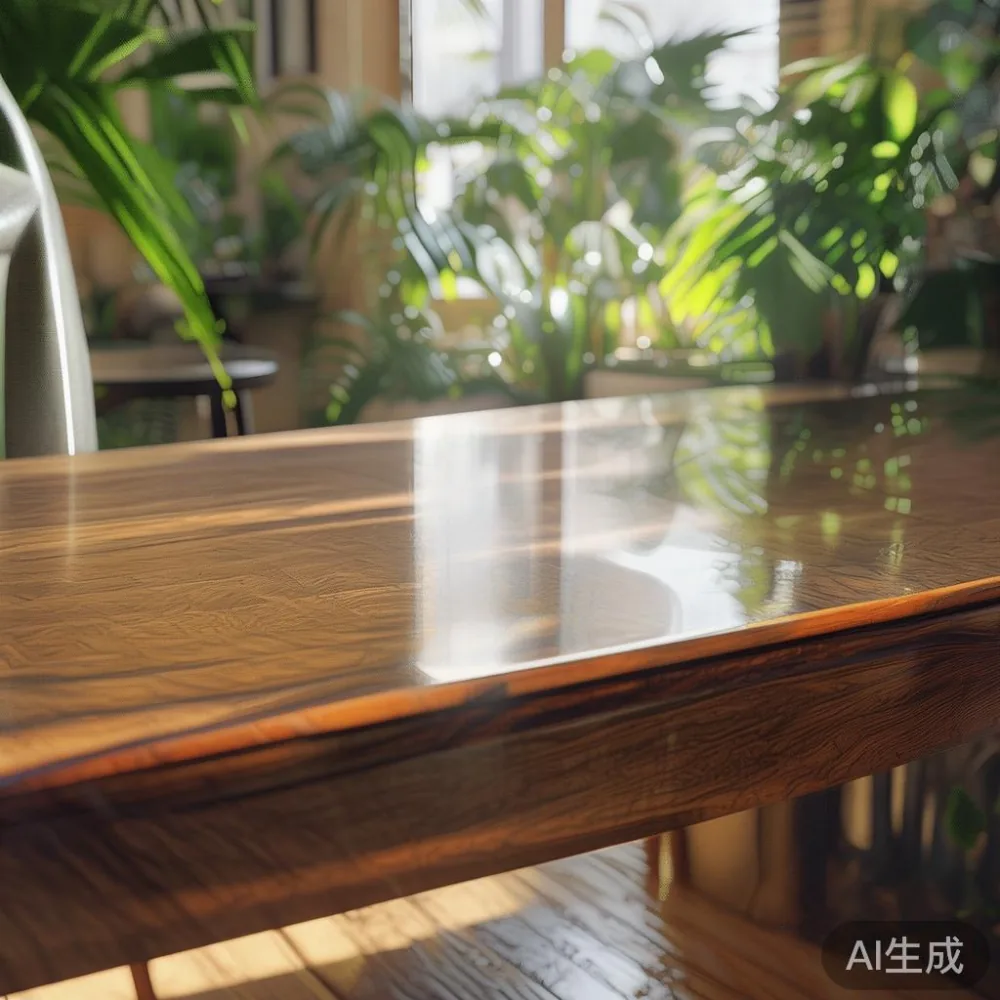
MIDHILL makes lacquered dining tables for customers who appreciate the visual lightness of French light luxury, the generous proportions associated with American light luxury and the clean geometry of post-modern light luxury. The practical question is how much attention each finish needs, which cleaning products are safe, and how to deal with damage without sanding away the character of the piece.
What makes lacquer care different in Singapore?
Singapore’s climate typically brings relative humidity above 70% for much of the year. This can affect timber movement, lacquer adhesion and the condition of joints. A dining table should therefore be kept away from standing water, air-conditioning outlets and windows with persistent condensation. If you place chilled drinks directly on the surface, use a coaster; a glass leaving a wet ring can stain a pale lacquer even when the timber underneath is sound.
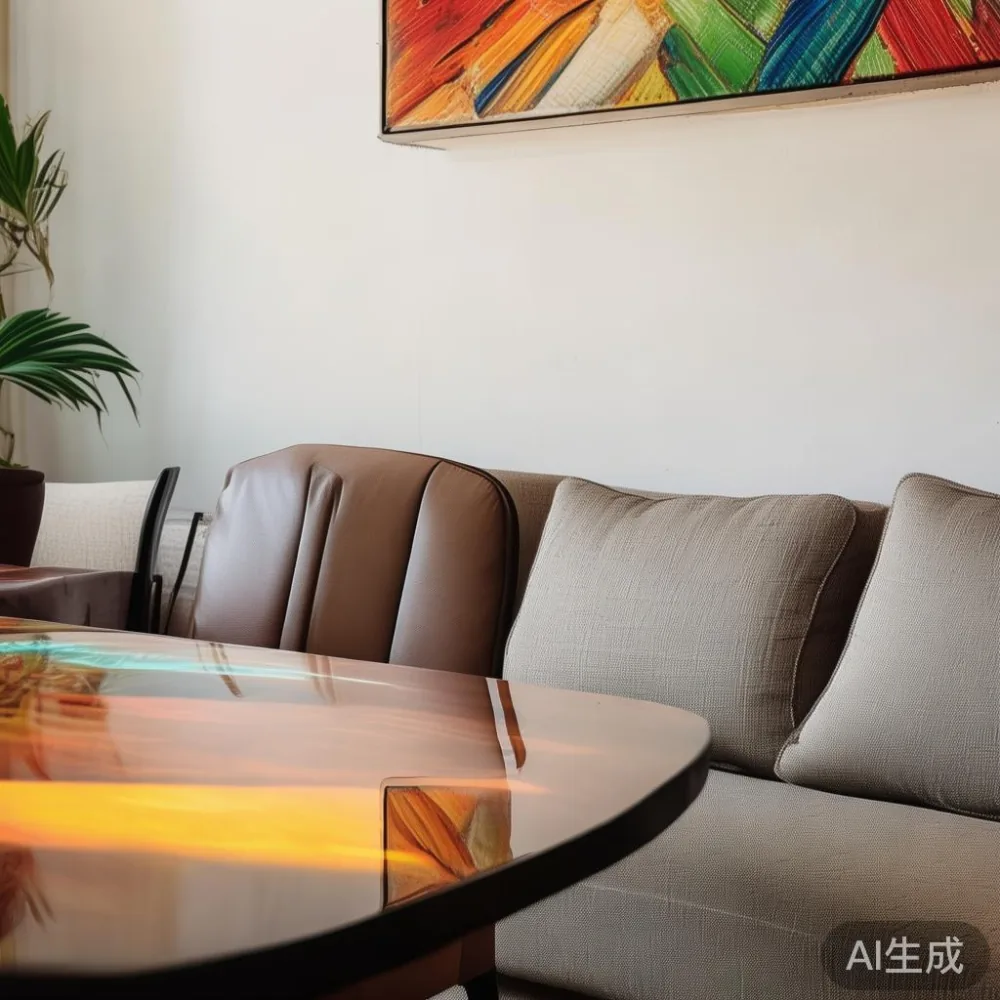
Heat and sunlight deserve equal attention. A west-facing condo dining space can receive strong afternoon sun. Position the dining table at least 60 cm away from a sheer curtain where possible, and use curtains with a UV filter. Direct sun may fade the colour and make a satin finish look uneven after 12 to 18 months of repeated exposure. A table used daily also needs a stable indoor range, ideally around 18–29°C and 40–65% relative humidity.
Lift and corridor dimensions matter when moving the table into a flat. Measure the delivery lift door and the corridor turns before booking a large dining table. A 200 cm table may be manageable on level ground but difficult around a 90 cm doorway if the legs do not detach. MIDHILL can confirm packed dimensions and the delivery method before the order leaves the workshop.
How should I clean a lacquered dining table?
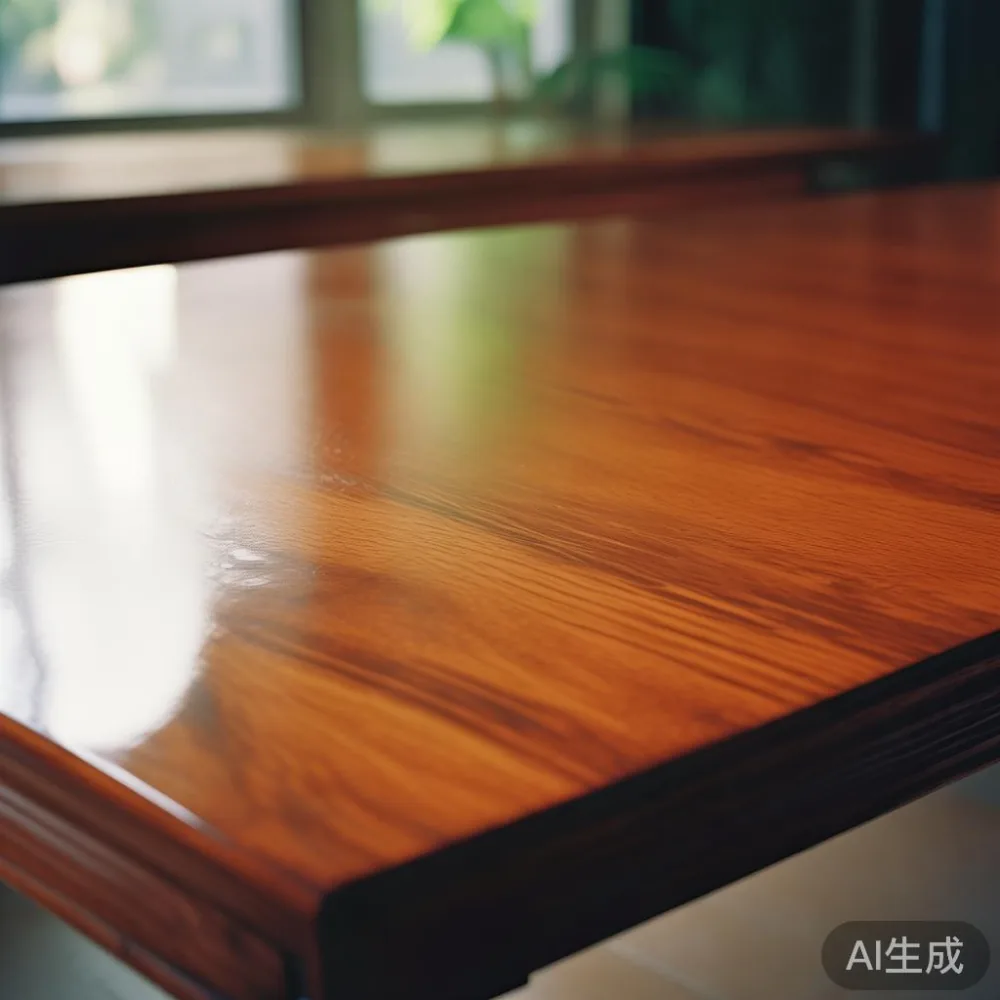
Start with the mildest method: a clean, soft microfibre cloth dampened with warm water. Wipe in the direction of the grain, then dry with a second cloth. Do not flood the surface, allow liquid to travel into joints or use a wet cloth around the table’s edge. For regular maintenance, cleaning after 2 to 3 meals per week is usually enough.
Use a pH-neutral wood cleaner only if the label explicitly says it is suitable for lacquer. Apply it to the cloth rather than the table; 2 or 3 sprays are usually sufficient for a section about 60 cm wide. Test an inconspicuous area and wait 24 hours before treating the whole surface. Avoid dish soap, bleach, ammonia, alcohol, silicone polish, furniture oil, abrasive powder and conventional “wood feed.” These products can leave a sticky film, soften the finish or make future maintenance harder.
Spills should be lifted promptly. Blot rather than rub, especially around chilli oil, tomato sauce, red wine and soy sauce. If a mark remains, use a barely damp cloth and work gently for no more than 30 seconds. A lacquered dining table should never be scrubbed with a green or yellow scouring pad, which can scratch the coating within minutes.
Last month I visited a colleague’s dining area in Punggol and tested three cloths on the lacquered edge of a spare cabinet panel: kitchen paper, a dry microfibre cloth and a damp microfibre cloth. The damp cloth lifted a light water mark without dulling the sheen, while the kitchen paper left fibres on the panel. It was a simple test, but it confirmed why a dedicated microfibre cloth is more useful in a humid flat.
Can I use wax or oil on a lacquered surface?
Generally, no. Wax and oil are intended for bare or oil-finished timber, not a factory lacquer unless the lacquer manufacturer explicitly permits them. An extra layer can trap moisture, collect dust and make the table slippery. It may also alter the sheen from satin to glossy. If the dining table has been treated with a compatible lacquer and you want extra surface protection, follow the maker’s instructions rather than applying a generic furniture polish.
Coasters, placemats and felt pads are the simplest preventive tools. Use 4 coasters for a typical four-seat setting and 6 for a larger table. Leave at least 2 cm between a hot pan and the lacquer, and never place a hot vessel directly on the surface. A trivet measuring at least 25 × 25 cm is safer for a casserole dish. These measures take less than 5 minutes but prevent the kind of heat damage that cannot be removed with a cloth.
For table settings, choose fabric or paper mats rather than cheap plastic PVC covers. PVC can transfer colour or a plasticising chemical to lacquer, particularly in heat and humidity. Wipe mats separately with a mild detergent, and replace any covering that develops a sticky surface.
How should I treat scratches, stains and dull patches?
Minor marks can sometimes be reduced without repair. For a fresh scratch, place a clean cotton cloth over the mark and warm it gently with a hairdryer held at least 20 cm away for 10–15 seconds. Keep the hairdryer moving and never allow the heat to soften or bubble the lacquer. This method works on some light surface scuffs, but it will not fill a deep scratch.
For a dull area, clean the entire surface rather than treating only the spot. Uneven cleaning can create a visible halo. If the finish still looks cloudy after 24 hours, contact the supplier for advice. Do not reach for metal polish, toothpaste, baking soda, car wax or sandpaper. Even 320-grit paper can cut through lacquer and expose the timber below.
Water marks and food stains should be treated with a manufacturer-approved touch-up product matched to the exact sheen. Test it on the underside or a hidden edge for 7 days. Apply no more than a rice-grain amount with a fine artist’s brush. Deep gouges, lifting lacquer or exposed wood usually need professional attention.
MIDHILL offers lifetime refinishing on its qualifying solid wood furniture. The scope should be confirmed in writing before any work begins, because refinishing a lacquered dining table may involve recoating rather than simply stripping and waxing the timber. Send photographs that show the mark, the table’s location and the finish type. A clear photo taken under daylight of at least 1,000 lux is more useful than one taken under a dim ceiling light.
How often should the table be maintained?
A simple schedule works well. Wipe the dining table daily with a dry microfibre cloth to remove crumbs, and perform a damp cleaning once a week. Inspect coasters and placemats every 2 weeks, check the finish after meals, and look underneath the table every 3 months for moisture or insect activity. Keep the floor beneath it dry and avoid placing the dining table directly against an exterior wall where condensation can reach the back edge.
In an HDB flat with frequent cooking and steam, move the table at least 1 metre from the kitchen doorway if ventilation is limited. In a condo near the coast, consider a hygrometer costing around SGD 20–60. If the reading stays above 70% for several days, improve ventilation and move the dining table away from cold glass and air-conditioning vents. Small actions matter more than repeated harsh treatment.
For a new dining table, keep a care sheet with the purchase documents. Record the delivery date, finish name and sheen, along with any approved cleaner. Review the instructions at 6 months and once each year. This creates a reliable history if a repair is needed.
What should I know before buying a lacquered dining table?
Check the construction, dimensions, finish and delivery terms before payment. Ask whether the dining table has a solid wood core, how the lacquer is applied and how the edges are sealed. A well-finished underside and stable joints are especially useful in a humid climate. MIDHILL has operated since 2008, exports to more than 15 countries and provides a 10-year structural warranty, with lifetime refinishing on qualifying products.
Measure the intended space rather than relying on catalogue dimensions. Allow at least 90 cm around a dining table for chairs and circulation; 100–120 cm is more comfortable where a serving side is used. For common HDB dining zones, a 140–160 cm dining table often fits four to six people, while a 180–200 cm model suits six to eight. Verify that the packed size will pass through the lift and corridor.
Budget for the whole purchase. A mid-range lacquered dining table may cost around SGD 1,200–2,800 depending on size, timber and finish. Delivery usually takes 15–45 days after production, although custom pieces can take 45–75 days. Singapore GST of 9% applies to most purchases. MIDHILL provides free shipping on orders over US$350, but confirm the exact Singapore delivery charge and conversion method before checkout.
Returns are accepted within 14 days under the stated policy, subject to condition and eligibility. Inspect the dining table on arrival for finish defects, moisture marks and transport damage. Photograph the unpacking with a timestamp. If something is wrong, contact the seller within 48 hours rather than waiting for the return window to end.
A solid wood sofa, solid wood bed frame, wardrobe, nightstand or marble table may share a room, but care methods should not be mixed without checking. A marble table needs pH-neutral stone care and a separate coaster system. If you are comparing furniture for an apartment, the question “Modern light luxury for apartment” can guide the visual brief, while the material specification should determine the cleaning routine.
Can furniture searches improve the way I care for a dining table?
Browsing terms can help you understand style, but they do not replace the care instructions supplied with the product. Searches such as “how to choose European light luxury bed” or “best Coastal bed for 2026” may help with bedroom furniture, yet lacquer on a dining table has different chemical and mechanical needs. Likewise, “European light luxury bed vs Nordic bed,” “European bed vs Mid-century modern bed” and “is American sofa worth it” concern other furniture decisions. Use them to build a coherent home, not to infer cleaning methods.
For practical advice, search by the exact finish: lacquer, satin lacquer, matt lacquer or polyurethane. Keep the product code nearby, and ask the manufacturer about compatible cleaners, heat tolerance and repair procedures. More specific information than a broad design term will prevent avoidable damage.
What is the safest routine for humid Singapore homes?
Use a soft cloth, warm water and a tested pH-neutral cleaner; control heat, moisture and direct sunlight; and keep an eye on small marks before they become larger repairs. Coasters and clear coasters should be changed as they wear, while the dining table should be checked every 7 days for spills. Avoid wax, oil, abrasive pads and unapproved household cleaners.
Product details and current policies can be reviewed at www.midhill.co. A disciplined 5-minute routine will protect the dining table for years of daily meals, family gatherings and humid weather.