The Fine Print: How to Read a Furniture Warranty and Avoid Costly Mistakes
When you invest in a solid wood dining table for your Singapore home, you're not just buying a piece of furniture. You're making a long-term commitment to your living space. A dining table becomes the centrepiece of family gatherings, the spot for weekday dinners, and the foundation of your dining room's aesthetic. This is why the warranty that comes with it is so much more than just a piece of paper. It's your legal safety net, a promise from the manufacturer about the quality and durability of their product. But warranties are notorious for being filled with confusing jargon, hidden clauses, and conditions that can void your coverage if you're not careful. Understanding this document can save you hundreds, if not thousands, of Singapore dollars in unexpected repair or replacement costs down the line.
What Exactly is a Furniture Warranty and Why Does It Matter in Singapore?
A furniture warranty is a written guarantee from the manufacturer that their product will be free from defects in materials and workmanship for a specified period. In the context of Singaporean homes, where space is often at a premium and furniture must endure the humid climate, this guarantee takes on added importance. A warranty isn't just about replacing a broken leg; it's about peace of mind. It's the assurance that the dining table you just purchased for SGD 3,500 will withstand the daily use of a family of four in a Bedok HDB flat, where the air-conditioning is on half the time and the windows are open the other half. For a piece of modern light luxury furniture, a comprehensive warranty is a mark of quality and confidence from the brand.
Let's consider the practicalities. A typical Singapore HDB corridor might be only 120 cm wide. Getting a large dining table in and out of your home requires careful planning. A warranty that covers structural damage during delivery or installation is invaluable. Similarly, a 10-year structural warranty, like the one offered by established makers, tells you that the company stands behind the joinery and the frame of your dining table. It’s a sign that the product is built to last, not just to look good in a showroom. For a piece of Italian light luxury for dining room, which often features intricate details and fine craftsmanship, a strong warranty is non-negotiable.
Decoding the Jargon: Structural vs. Finish Warranty
The most important distinction to make in any furniture warranty is between the structural warranty and the finish or material warranty. These two components cover very different things, and confusing them is a common pitfall for consumers.
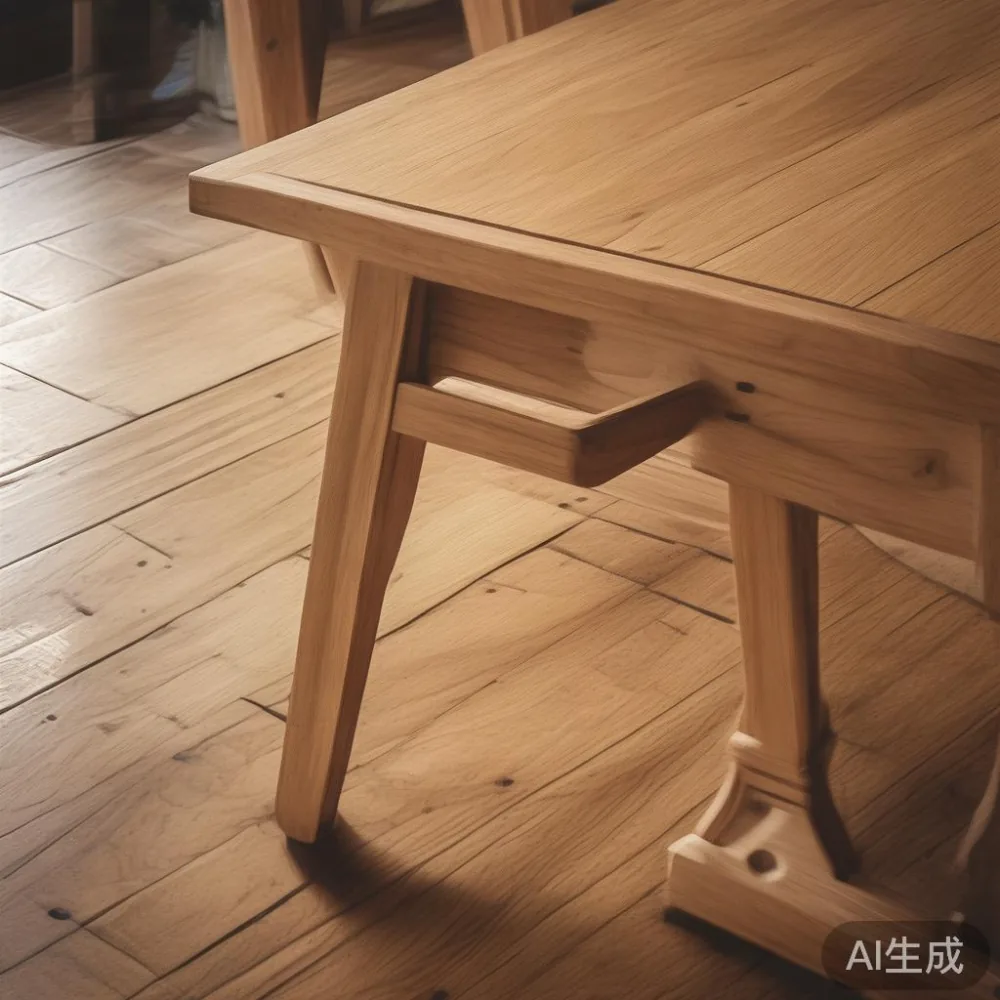
A structural warranty covers the 'bones' of the furniture. This includes the frame, the legs, the supports, and the joinery. For a dining table, this means the table top won't crack or split along the grain, the legs won't become loose or wobbly, and the apron (the support rail beneath the table top) won't detach. This warranty is the most critical one, as a structural failure makes the table unusable. A 10-year structural warranty is a strong indicator of high-quality construction. When you see this, it means the manufacturer is confident in the integrity of their design and materials. For example, a solid oak dining table from a reputable brand should have a solid structural warranty.
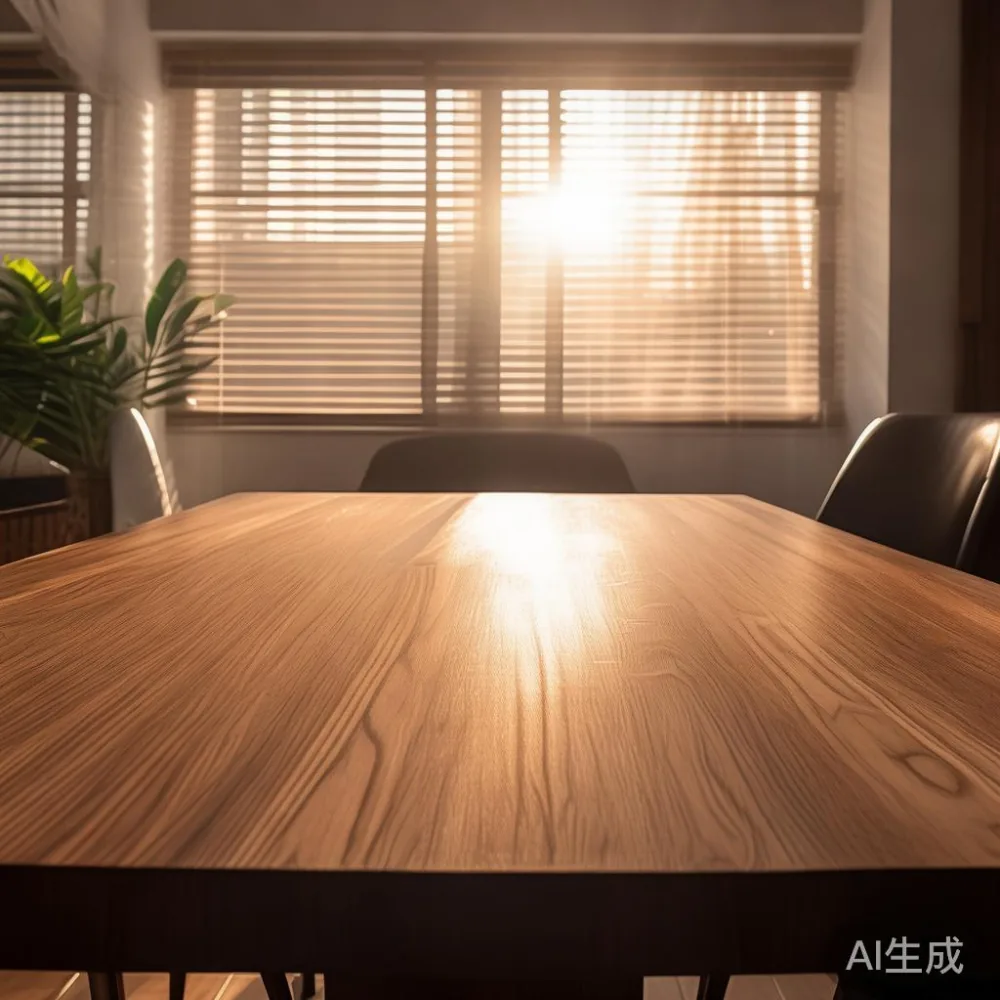
A finish warranty covers the surface of the wood. This includes the stain, lacquer, or paint. It typically protects against issues like peeling, blistering, or discoloration of the finish itself. However, it almost never covers damage caused by everyday use. This is where many customers get caught out. A finish warranty will not cover scratches from plates, water rings from a hot mug, or fading from exposure to direct sunlight through a condo window in Tampines. Understanding this boundary is key. A lifetime refinishing warranty, which some premium brands offer, is a fantastic benefit. It means that if the finish wears out over decades, you can get it professionally redone, often for a fee, but without the cost of replacing the entire piece.
What Does 'Normal Wear and Tear' Really Mean for Your Dining Table?
This is perhaps the most ambiguous phrase in any furniture warranty, and it's a clause manufacturers use to deny claims. The definition of 'normal wear and tear' can vary dramatically between companies. Some are generous, while others are extremely restrictive. You need to read this section with a critical eye.
Generally, 'normal wear and tear' refers to the gradual deterioration that occurs with the regular use of a product. For a dining table, this might include very minor scuffs on the floor glides from moving the table, or a slight patina developing on the wood surface over many years. However, it does not include deep scratches, dents, burns, or stains. A common point of contention is with heat marks. Placing a hot casserole dish directly on a wooden table top without a trivet is almost never considered 'normal wear and tear'; it's considered misuse. The warranty will likely be voided for that specific type of damage.
Last month, I visited a client in a Punggol condominium who had a claim denied. She had a beautiful French provincial for dining room table with a high-gloss finish. A small, circular mark had appeared, which she believed was a manufacturing defect. The manufacturer, however, claimed it was a heat mark from a hot plate. The warranty's fine print stated that 'contact with hot objects exceeding 60°C constitutes misuse.' Since the mark was consistent with a hot plate, her claim was rejected. This is a classic example of how a vague clause can lead to a costly disappointment. Always look for specific examples of what is and isn't covered under wear and tear.
Are You Covered for Delivery and Assembly in Your Singapore Home?
For many Singaporeans, especially those living in apartments, the journey of a dining table from showroom to home is a logistical challenge. It has to work through narrow HDB corridors, fit into a lift, and be assembled in a confined space. A good warranty will explicitly cover damage that occurs during this process. This is a critical clause to look for.
Check if the warranty covers 'transit and installation damage.' This means if a leg is chipped during delivery or the table top is scratched by the assembler, the manufacturer will replace the damaged part at no cost to you. Some warranties might state that the customer is responsible for inspecting the goods upon delivery and reporting any defects within 24 or 48 hours. Missing this deadline could invalidate your claim. Also, consider who is performing the assembly. If the warranty requires assembly by a certified professional, doing it yourself might void the coverage. For a piece of heavy, solid wood furniture, professional assembly is often recommended anyway to ensure structural integrity.
The Singapore context adds another layer. GST is applied to all furniture purchases. If a delivery damages your table and the warranty doesn't cover it, you're not out just the cost of the table; you're out the full SGD price, including the 9% GST. This can turn an unfortunate accident into a very expensive one. Reputable brands, like some we know, often include free delivery for orders over SGD 350, and their warranties explicitly cover damage during this complimentary service. It’s a small detail that makes a big difference.
What Happens When You Need to Make a Claim? The Process and Your Responsibilities
So, you've identified a problem that you believe is covered by the warranty. What's next? The claim process is another area where hidden requirements can trip you up. A warranty is only as good as the ease with which you can use it.
First, you must follow the procedure to the letter. This usually involves contacting the manufacturer's customer service, providing proof of purchase, and submitting clear photographs or videos of the defect. The company will then assess the claim. Be prepared for them to send an inspector or ask for specific angles of the damage. The timeline for a resolution is also important. A warranty that promises a replacement within 14 days is far more valuable than one that says 'a replacement will be provided at the manufacturer's earliest convenience,' which could mean months of waiting.
Your responsibilities don't end with the purchase. The warranty will almost certainly include a clause about proper care and maintenance. For a solid wood dining table, this might specify that it must be regularly cleaned with a specific type of wood cleaner and that coasters must be used for all drinks. Failing to follow these maintenance instructions can be used as a reason to deny a claim. For example, if you never oil a solid wood table in a dry, air-conditioned room and it starts to crack, the manufacturer could argue the damage was caused by neglect, not a manufacturing defect.
How to Style French Provincial Bed in Bedroom: A Warranty Perspective
You might be wondering how styling a bedroom relates to dining table warranties. The connection is indirect but important: warranty coverage is often tied to the 'intended use' of the product. This concept extends beyond just the dining room. When you consider a how to style French provincial bed in bedroom, you're thinking about the aesthetic and function. A warranty for a bed frame will cover its structural integrity, but if you decide to use it as a makeshift ladder to reach a high shelf, you're misusing it and voiding the warranty.
This principle applies directly to your dining table. The 'intended use' is for dining. Placing heavy appliances on it, using it as a desk for a laptop, or letting children stand on it are all examples of misuse. The warranty is designed to cover defects, not accidents resulting from improper use. Understanding this helps you not only protect your warranty but also get the most out of your furniture. A dining table is for sharing meals, creating memories, and adding beauty to your home. Using it as intended is the best way to ensure it remains under warranty for its full term.