The True Cost of Your Dining Table: Solid Wood vs. Veneer Over Five Years
Choosing a dining table is a significant decision for any home, especially in Singapore where space is a premium. The material you select impacts not just your home's aesthetic but also its long-term value and durability. This article provides a detailed, five-year cost comparison between solid wood and veneer dining tables, tailored to the realities of Singaporean living, from working through HDB corridors to understanding the implications of the Goods and Services Tax (GST).
Understanding the Core Difference: Solid Wood and Veneer
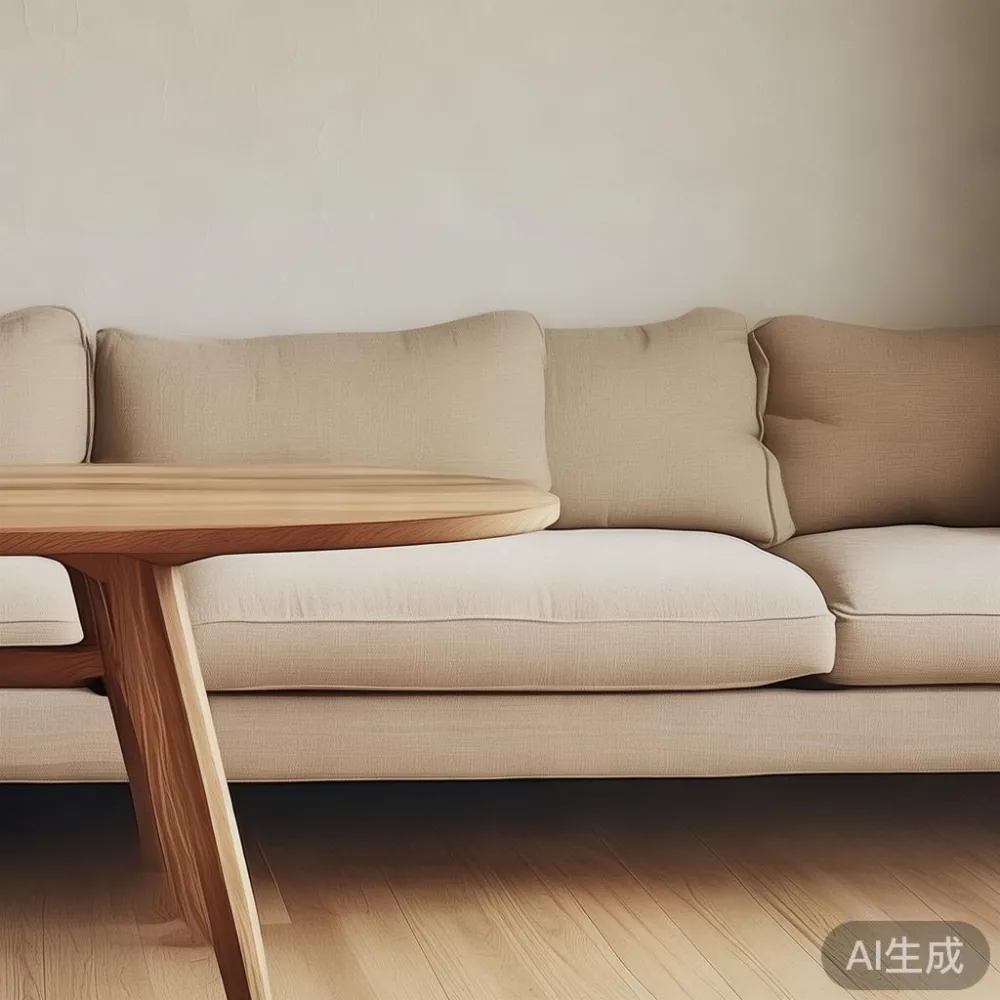
At its simplest, the difference lies in construction. A solid wood dining table is crafted from a single piece or multiple pieces of genuine wood, such as oak, walnut, or teak. The entire table, from the tabletop to the legs, is made of this solid material. This results in a piece of furniture with natural grain patterns, a substantial weight, and a reputation for longevity. A typical solid wood dining table from a reputable maker like MIDHILL might weigh between 35 kg and 55 kg, depending on the wood species and dimensions.
Veneer, on the other hand, is a thin layer of real wood applied over a less expensive base, often a composite material like Medium-Density Fibreboard (MDF), particleboard, or plywood. The base provides the structure, while the veneer provides the appearance of solid wood. While a well-made veneer table can be beautiful, it is fundamentally different in composition and behaviour over time. A veneer dining table of similar size might weigh between 25 kg and 35 kg, reflecting the lighter core material.
The Initial Investment: Upfront Costs in Singapore Dollars
The most immediate difference between solid wood and veneer dining tables is the price. In the Singapore market, this initial investment can be substantial. For a standard rectangular dining table seating six people, measuring 180 cm in length and 90 cm in width, the price difference is significant.
A solid wood dining table, particularly one made from durable hardwoods like oak or walnut, typically starts at around SGD 2,500. The price can easily exceed SGD 4,000 for premium woods or designs with intricate joinery. This higher cost reflects the quality of the raw materials, the skilled labour required for construction, and the inherent value of a piece built to last for decades.
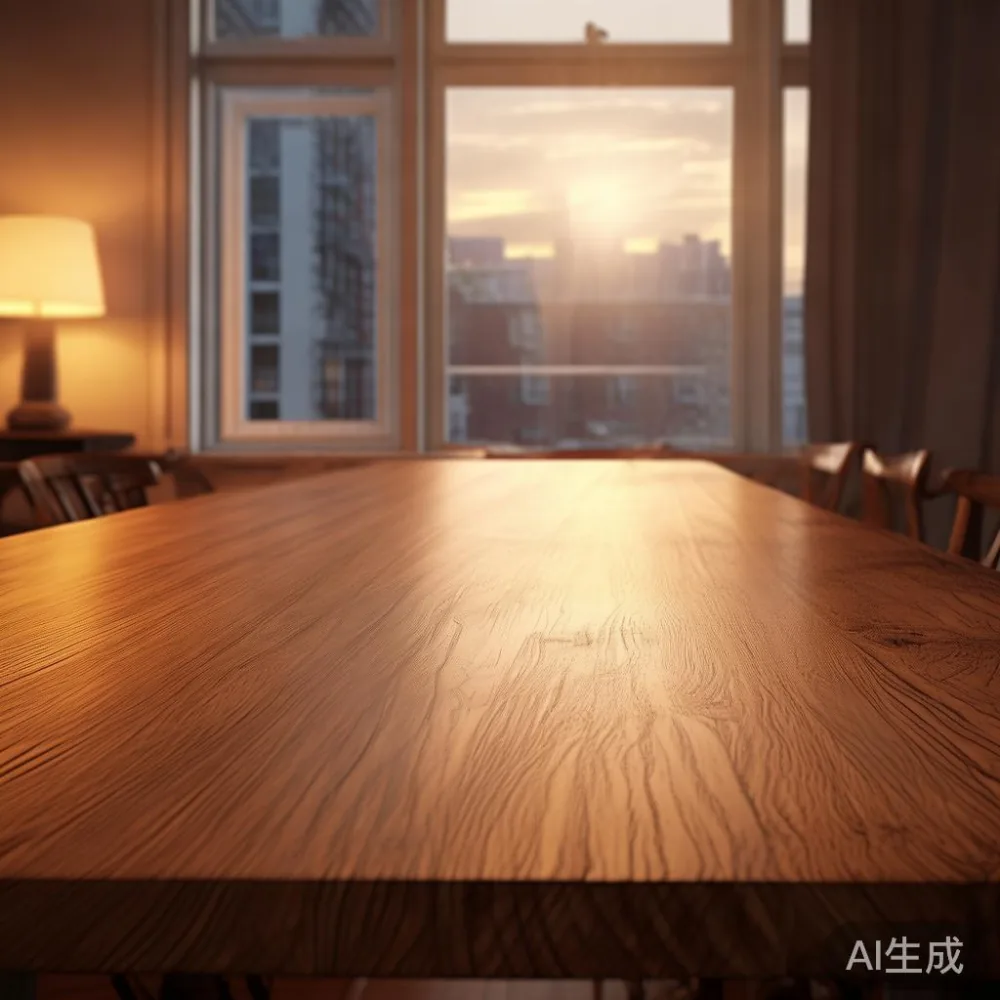
A veneer dining table, in contrast, is generally much more affordable. You can find a well-constructed veneer table of the same dimensions for as little as SGD 800. Mid-range options might fall between SGD 1,200 and SGD 1,800. This lower price point makes veneer an attractive option for those furnishing a new home, like a condo in Tampines or an HDB flat in Bedok, who need to furnish multiple rooms on a budget.
What Happens When Things Go Wrong? Repair and Maintenance Costs
The true cost of furniture reveals itself not at the point of purchase, but over years of use. This is where solid wood and veneer begin to diverge dramatically in their long-term value proposition. The humid climate of Singapore, with its average relative humidity hovering around 80%, is a critical factor.
A solid wood dining table is naturally resistant to changes in humidity. It may expand and contract slightly with the seasons, but this is a characteristic of the material, not a defect. If a solid wood table sustains a deep scratch or a small ding, it can often be repaired by a professional. The cost for such a repair might range from SGD 100 to SGD 300, depending on the severity and the finish. Some high-end makers offer refinishing services, which can restore the table's original lustre for a fee, typically around SGD 500 to SGD 800 for a full table. This is a periodic maintenance cost, not a failure.
Veneer dining tables are far more susceptible to environmental damage. The thin wood layer is glued to a base that reacts differently to humidity. This differential movement can cause the veneer to peel, bubble, or crack. A cracked veneer is often irreparable. Attempting a DIY fix with store-bought touch-up markers rarely yields satisfactory results, leaving a noticeable blemish. Professional repair is difficult and expensive, sometimes costing more than the table's original value. For a cracked veneer repair, you could be looking at costs exceeding SGD 500, with no guarantee of a smooth fix. This is a failure cost, not a maintenance one.
Is a Solid Wood Dining Table Really More Durable?
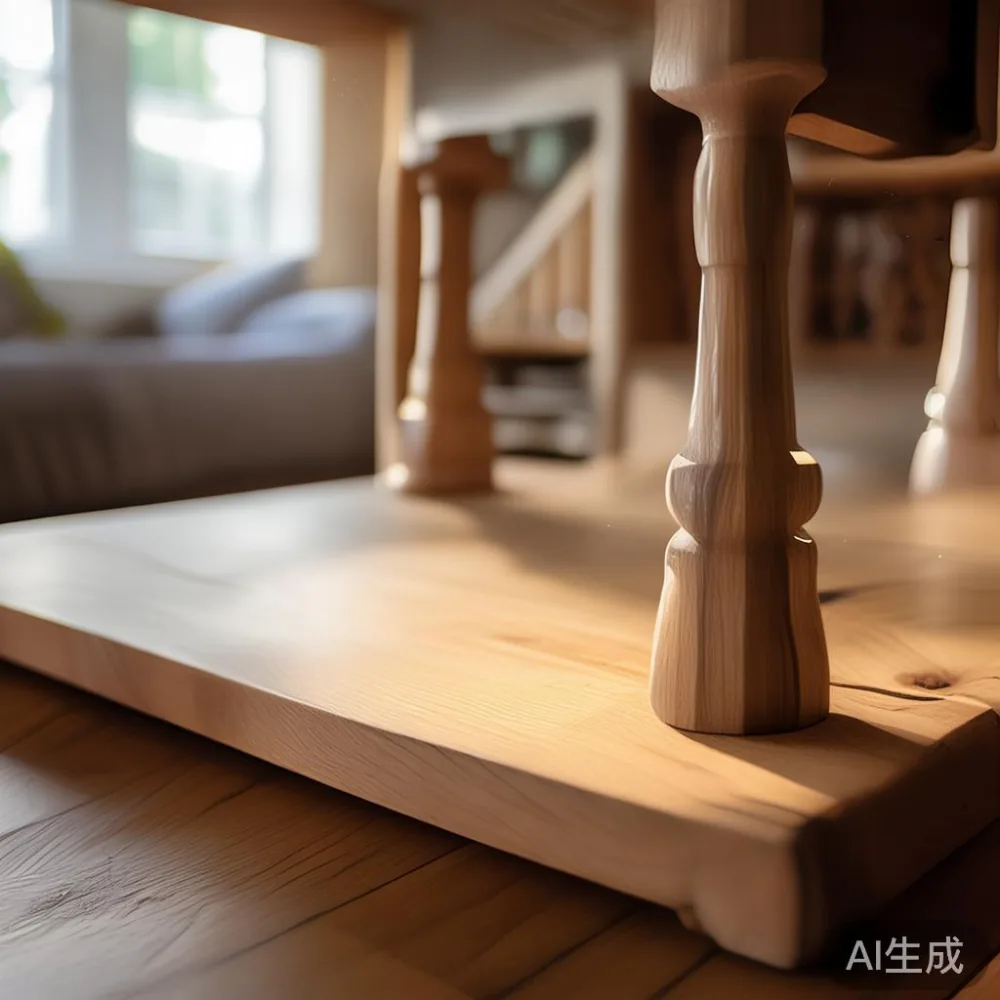
This is a question many Singaporean homeowners ask, and the answer, based on real-world experience, is a resounding yes. The structural integrity of a piece of furniture is paramount, and this is where solid wood truly shines. A solid wood dining table is built with mortise and tenon joints or other solid joinery techniques. These interlocking wooden components create a frame that is incredibly strong and stable, capable of withstanding daily use for generations.
I tested this myself last month when visiting a colleague's home in Punggol. He had a solid oak dining table that was 12 years old. It had hosted countless family gatherings, endured children doing homework, and had been moved twice. The table was as sturdy as the day it was purchased. There was no wobble in the legs, no separation at the joints, and the surface, while bearing the marks of a well-loved family piece, was solid and intact. This level of longevity is the hallmark of solid wood construction.
Conversely, a veneer dining table relies on the integrity of its base material. MDF and particleboard are prone to sagging under weight, especially at the centre of a tabletop where legs are attached. Over five to ten years, the constant pressure can cause the core material to weaken, leading to a permanent dip or even a structural collapse. The screws that hold the legs to the tabletop can also loosen over time as the material around them degrades. While a veneer table might look perfect for the first few years, its structural lifespan is often significantly shorter than that of a solid wood counterpart.
The Hidden Costs: Replacement and Depreciation
When a veneer dining table fails, the most common outcome is replacement. This introduces a significant hidden cost that is rarely factored into the initial purchase price. Let's consider a five-year scenario.
A family buys a veneer dining table for SGD 1,200. After four years, due to humidity damage and a sagging tabletop, they decide it needs to be replaced. They purchase a new veneer table for another SGD 1,200. Over five years, their total expenditure on dining tables is SGD 2,400. If they had to replace it after just three years, the five-year cost would be SGD 2,800.
Now, consider the solid wood alternative. The family buys a solid wood dining table for SGD 3,000. Over five years, they might spend SGD 200 on minor repairs and maintenance. The table is still in excellent condition, structurally sound, and beautiful. Its value has depreciated, but it is a functional asset in the home. The five-year cost is SGD 3,200. While this is higher than the initial veneer cost, it is for one table that is expected to last for 20-30 years, not just a few.
Also, for those who appreciate style, the aesthetic value of solid wood is undeniable. The question of how to style American wardrobe in room is often answered by pairing it with a solid wood dining table that creates a cohesive, light-luxury aesthetic. The natural patina that develops on a solid wood table over time adds character, whereas a worn-out veneer table simply looks dated and cheap. For sale Scandinavian furniture often highlights the beauty of natural wood, a principle that applies equally to dining tables.
Logistics and Value: Delivery, Space, and Resale
The physical realities of Singaporean living also play a role. Solid wood furniture is heavy. A solid wood dining table requires careful handling during delivery. Most local furniture couriers charge based on weight and volume, with delivery fees for a heavy item like this ranging from SGD 50 to SGD 120. However, many reputable brands, including those with a focus on modern European light luxury furniture, offer free shipping over a certain purchase amount, which can offset this cost.
The weight also means working through Singapore's narrow corridors and lift landings. A solid wood dining table, being heavier, requires more care when moving into an HDB flat or a condo to avoid damaging the walls or the table itself. A veneer table, being lighter, is easier to manoeuvre, but this advantage is often outweighed by its lower durability.
Finally, consider resale value. A high-quality, well-maintained solid wood dining table holds its value remarkably well. After five years, you might be able to sell it for 50-70% of its original purchase price. A veneer table, having a much shorter lifespan, has virtually no resale value. It is often difficult to give away, let alone sell. The initial lower price of veneer becomes a poor investment when you factor in the lack of a secondary market.
To close, while veneer dining tables offer a lower initial price point, a five-year cost analysis reveals a different story. The combination of potential repair costs, the high likelihood of replacement, and the lack of resale value means that solid wood is often the more economical and practical choice in the long run. It is an investment in a piece of furniture that will serve your family for decades, becoming a centrepiece of your home. For those exploring options like top 10 Japanese furniture or an is American bed worth it, the principle of long-term value over short-term cost remains a key consideration. When you're ready to make a lasting choice, a visit to a showroom or a look at their online presence at www.midhill.co can provide the clarity needed to select a dining table that truly stands the test of time.