Caring for a Lacquered Dining Table in Singapore's Humid Weather
Last month, I visited a friend's new four-room HDB flat in Tampines and watched her wince as she wiped a milky ring off her brand-new 1.8m lacquered dining table. The culprit was a cold glass of barley, sat on the surface for under twenty minutes in a room where the hygrometer read 82%. She had spent roughly SGD 1,150 on the piece three months earlier, and within a quarter, the piano-black lacquer was already showing the kind of dullness she thought only old furniture developed. By the end of that evening, we had pulled the table away from the wall, propped it on a towel, and mapped out a real routine — one that finally respected the reality of a tropical climate and the chemistry of a lacquered finish.
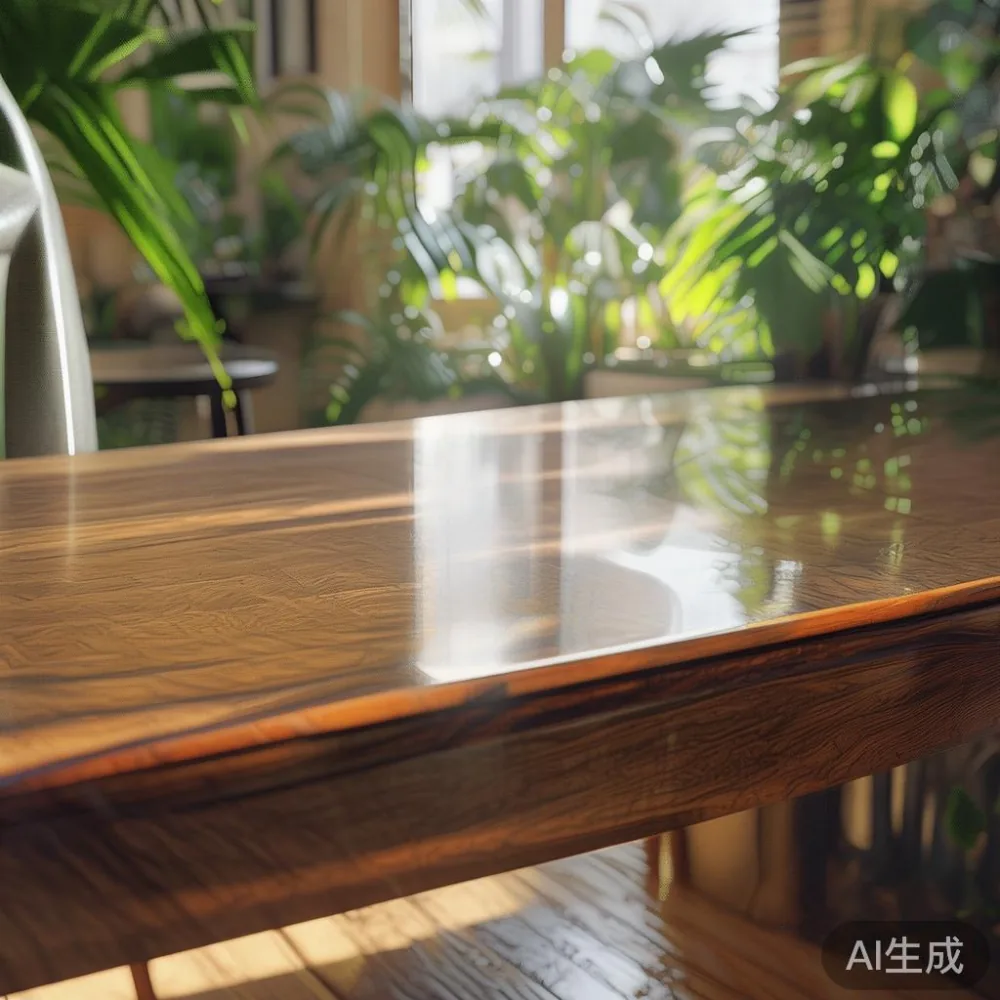
Why Lacquer and Tropical Air Do Not Get Along
Lacquer is a finish, not a material. On a solid wood dining table, the wood itself (often ash, oak, or walnut at the price points most Singaporeans shop) keeps moving with humidity, while the lacquer skin on top tries to stay rigid. Relative humidity in Singapore sits between 70% and 85% for most of the year, and that figure climbs higher in ground-floor units in Bedok and Punggol where cross-ventilation is weaker. When the air pushes moisture into the timber, the wood swells; the lacquer cannot stretch the same way, so it cracks, hazes, or — in the worst cases — peels. A 12-degree gap between indoor and outdoor humidity is enough to start trouble on a poorly sealed edge.
This is also why a lacquered surface behaves differently from an oiled one. Oil finishes feed the wood and breathe; lacquer seals it and then has to fight every change in the room. Light luxury dining tables — French, American, or post-modern light luxury lines that MIDHILL builds in Foshan and exports to more than fifteen countries — use multi-coat piano lacquer because it gives that deep, mirror-like sheen Singapore buyers associate with a hotel suite. That same sheen is fragile in a climate that never really dries out.
"I just wiped with a wet cloth — what went wrong?"
This is the most common question I get from clients who call our service line within the first ninety days of delivery. Water is lacquer's quiet enemy. Even a damp microfibre cloth, left sitting on the surface for ten minutes, can leave a white bloom called blush — a temporary clouding that becomes permanent if repeated. In Tampines, I have seen a brand-new 1.6m table develop five such blooms after the family used a standard spray-and-wipe routine for just three weeks. The fix is mechanical, not chemical: a soft, dry cloth, a second dry cloth, and patience.
The same caution applies to alcohol-based cleaners, lemon juice, vinegar, and the ubiquitous green-scourer sponge. None of them belong anywhere near a lacquered dining table. The cost of a damaged top — re-spraying one panel on a 2m table runs from SGD 280 to SGD 420 in Singapore — usually wipes out the savings from buying a cheaper care product. Spend the SGD 18 on a proper lint-free cloth instead.
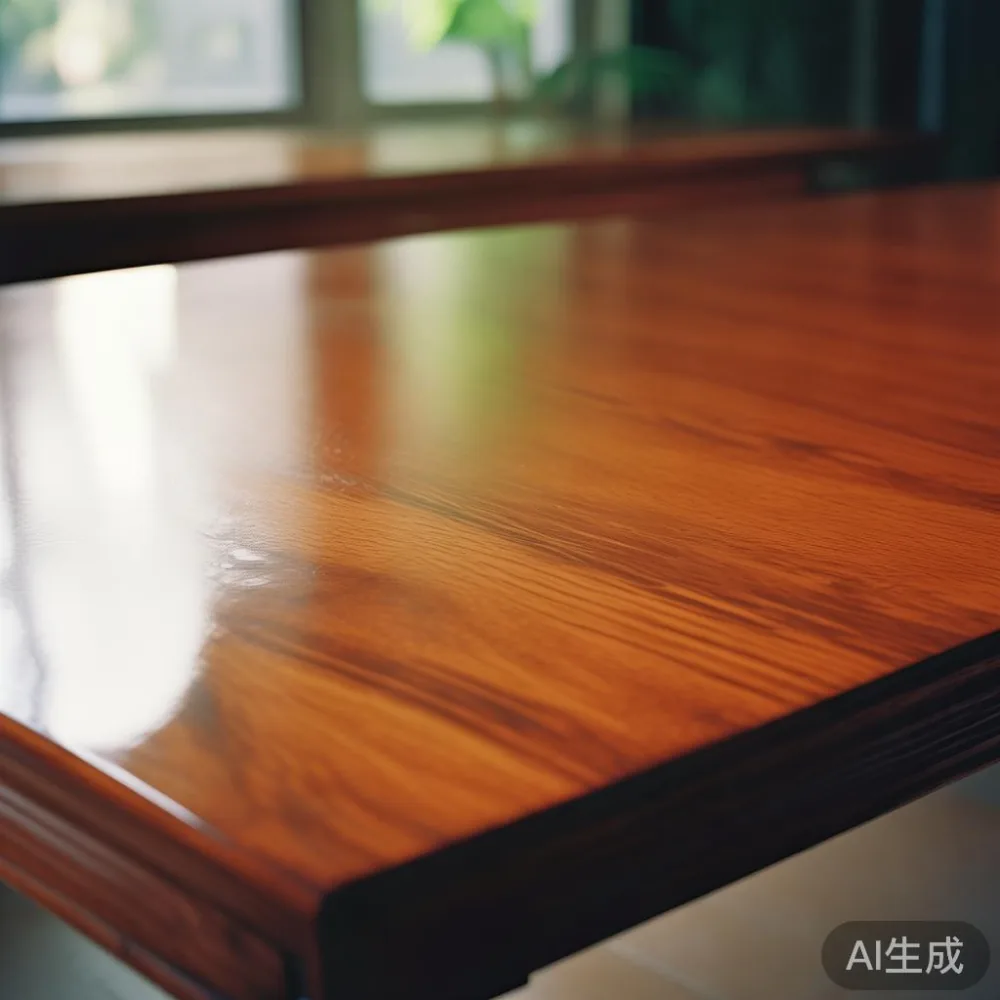
What a Singapore-Friendly Lacquer Routine Looks Like
I have refined a four-step habit that fits around the way HDB families actually eat, work, and host. It takes about six minutes a day and forty minutes once a quarter.
Daily (six minutes): After the last plate is cleared, fold a dry microfibre cloth into a pad, wipe the surface in the direction of the grain, then polish with a second dry cloth in long, slow strokes. No sprays, no water, no exceptions. If a spill happens, blot it within thirty seconds — never wipe, never rub.
Weekly (ten minutes): Move the table 15cm away from the wall. Most Singapore flats have a service yard or a window nearby, and the air gap between the table back and the wall is where moisture settles. Wipe the back panel and the apron with the same dry cloth. Lift any table runner or placemat for twenty minutes so the wood can breathe. A solid wood bed frame, wardrobe, or nightstand from the same maker should follow the same weekly rhythm — they share the same timber, the same lacquer, and the same enemy.
Quarterly (forty minutes): Apply a small amount of paste wax — about the size of a five-cent coin — onto a soft cloth, rub it into the surface in circular motions, leave it for fifteen minutes, then buff. Paste wax fills micro-pores, repels water rings, and keeps the sheen even. In Singapore's humidity, paste wax outperforms spray polish because it does not add moisture. Budget around SGD 25 to SGD 45 for a tin that lasts a year.
Annually: Book a professional inspection. MIDHILL offers lifetime refinishing on its lacquered pieces, and most local upholsterers charge between SGD 120 and SGD 220 for a same-day touch-up. The point of the inspection is to catch edge lifting — usually near the ends of a 2m dining table — before it spreads.
How to Choose a Lacquered Dining Table That Will Survive the Tropics
Not all lacquered dining tables behave the same way. Before you compare the European sofa vs Modern sofa debate in your head or browse the latest top 10 Japanese furniture roundup, here are the four construction details that matter most for a Singapore home.
1. Timber, not veneer. A solid wood dining table can move with humidity; a veneered one delaminates. Ask whether the top is a single slab or a glued panel, and ask what the core wood is. Ash and oak handle tropical swings better than beech.
2. Seal the underside. Many manufacturers finish only the top. The bare underside of a 2m oak dining table in a Punggol condo can wick moisture up from the floor in under six months. MIDHILL finishes both faces on its lacquered tops for exactly this reason.
3. Edge profile. Sharp 90-degree edges chip under thermal stress. A 3mm to 5mm radius edge absorbs the movement without cracking the lacquer.
4. Climate-controlled delivery. When a 60kg to 90kg table arrives in a non-airfreight container, the wood can spend forty days at 90% humidity. Reputable sellers acclimatise the timber in a workshop for two to four weeks before final finishing. The lift access in most HDB blocks is 1.1m wide, the service lift in private condos is usually 1.3m to 1.5m wide, and a properly crated table should slide through without forcing the door — if it does not, the wood has not been dried properly.
"What about a light luxury dressing table in the same flat?"
If you already own a light luxury dressing table in the master bedroom, the care routine is identical — same cloth, same wax, same lift-away-from-the-wall habit. The two pieces will share the same humidity curve, so what one does, the other follows. A solid wood wardrobe and matching nightstand benefit from the same weekly wipe-down, and a marble table — a material that looks effortless but stains under lemon juice or red wine — needs a separate sealant refresh every eighteen months. Treat the lacquered items as one family and the marble piece as its quieter cousin.
When clients ask me how a Japanese bed vs Italian light luxury bed, or a European light luxury bed vs Nordic bed, will cope with the same flat, the answer is almost always about joinery and finish, not style. A Japanese platform bed uses minimal hardware and breathes with the floor; an Italian light luxury bed frame is often upholstered and finished in a way that traps humidity against the wall. Pick by airflow, not by brochure.
"Can I put my dining table near the kitchen window?"
Yes, with a caveat. Cross-ventilation is your friend, but direct afternoon sun through a west-facing kitchen window in a Punggol Build-To-Order flat can hit 45°C on the tabletop and bake the lacquer. Either close the roller blind between 1pm and 4pm, or move the dining table 60cm away from the window so the heat disperses. A solid wood sofa in the living room benefits from the same buffer — leather fades, lacquer hazes, fabric yellows.
Air-conditioning helps, but only if it runs long enough to drop the room below 70% relative humidity. A 9,000 BTU unit in a 90 sqm flat can pull humidity down to 55% within ninety minutes, which is exactly the band lacquer likes. Keep the table away from the diffuser vent, though — direct cold air causes the wood to contract faster than the lacquer can follow.
"What should I do in the first 30 days after delivery?"
Day 1: unbox, let the table sit in the room for 24 hours in its crate, then unwrap. Wipe with a dry cloth only. Day 2: position the table 50cm from any wall, away from the air-conditioner vent. Day 3 to 7: use placemats and coasters at every meal — yes, every meal. Day 8 to 14: apply the first coat of paste wax. Day 15 to 30: continue placemats, dry-wipe daily, no liquids on the surface.
Skip the temptation to use the table as a work desk for the first month. Laptops run hot, paperweights leave marks, and the first thirty days are when the lacquer is still cross-linking. Treat the table like a new pair of leather shoes — break it in gently or pay for it later. MIDHILL's ten-year structural warranty covers the joinery, but the finish is on you.
When to Call a Professional
Three signs mean stop and call. White blush that does not buff out after two dry-wipe passes means moisture has penetrated the topcoat. Edge cracks longer than 2cm mean the substrate is moving faster than the lacquer. A dull patch that stays dull after wax means the topcoat has worn through to the sealer. None of these are DIY fixes. A re-spray takes three to five working days and costs SGD 280 to SGD 420 per panel, depending on size. Re-spraying is cheaper than replacing a 2m solid wood dining table, which runs from SGD 1,400 to SGD 3,200 in Singapore, plus the 9% GST and a delivery fee of SGD 80 to SGD 150 if the order is below the free-shipping threshold.
If you bought the table from MIDHILL, lifetime refinishing is part of the package — bring it back to the showroom in Tai Seng or book a pickup. For other brands, your local upholsterer in Defu Lane or Sungei Kadut can usually help.
"Is it really worth the effort?"
A lacquered dining table cared for in this climate will outlast an uncared-for one by a factor of four. I have a 1.4m ash table in my own Bedok resale flat that is now seven years old, still mirror-bright, because it has had a quarterly wax and a strict no-water rule since day one. A neighbour's identical table, bought the same month, looked ten years older within two.
If the goal is a piece of solid wood that still photographs beautifully for a Chinese New Year reunion or a quiet weekday dinner, the discipline is small and the payoff is long. Treat the lacquer like skin — keep it clean, keep it dry, keep it away from the afternoon sun — and it will reward you for the next decade or more. The same rule applies to a French sofa vs Japandi sofa comparison you may be weighing for the living room: pick the one you will actually maintain, not the one that looks best on the showroom floor.