Singapore’s Guide: Choosing a Comfortable Dining Room Sofa
Most showroom sofas are inviting because they have room to breathe. The showroom may be 180 cm wide, the model may be dressed in pale linen, and the salesperson may promise that the seat “will soften beautifully”. Buy the same sofa for a Tampines HDB flat, however, and it may become furniture you cannot sit on: blocked by a dining table, swallowed by a narrow corridor, or too deep for comfortable use.
Singapore makes this problem unusually practical. Lift cars, HDB corridors, air-conditioning outlets, balcony doors and dining corners all have limits. A sofa that looks generous in a photograph can require a 2-person move, 3 delivery days and several centimetres of clearance that the floor plan never showed.
This guide explains how to assess a sofa before purchasing, with specific checks for dimensions, access routes, comfort, upholstery and support. It also considers how a solid wood sofa, dining table and related pieces need to work together within a compact home. MIDHILL’s own experience, including a recent home visit, shows why measurements should be taken before style is chosen.
What dimensions should I check before buying a sofa?
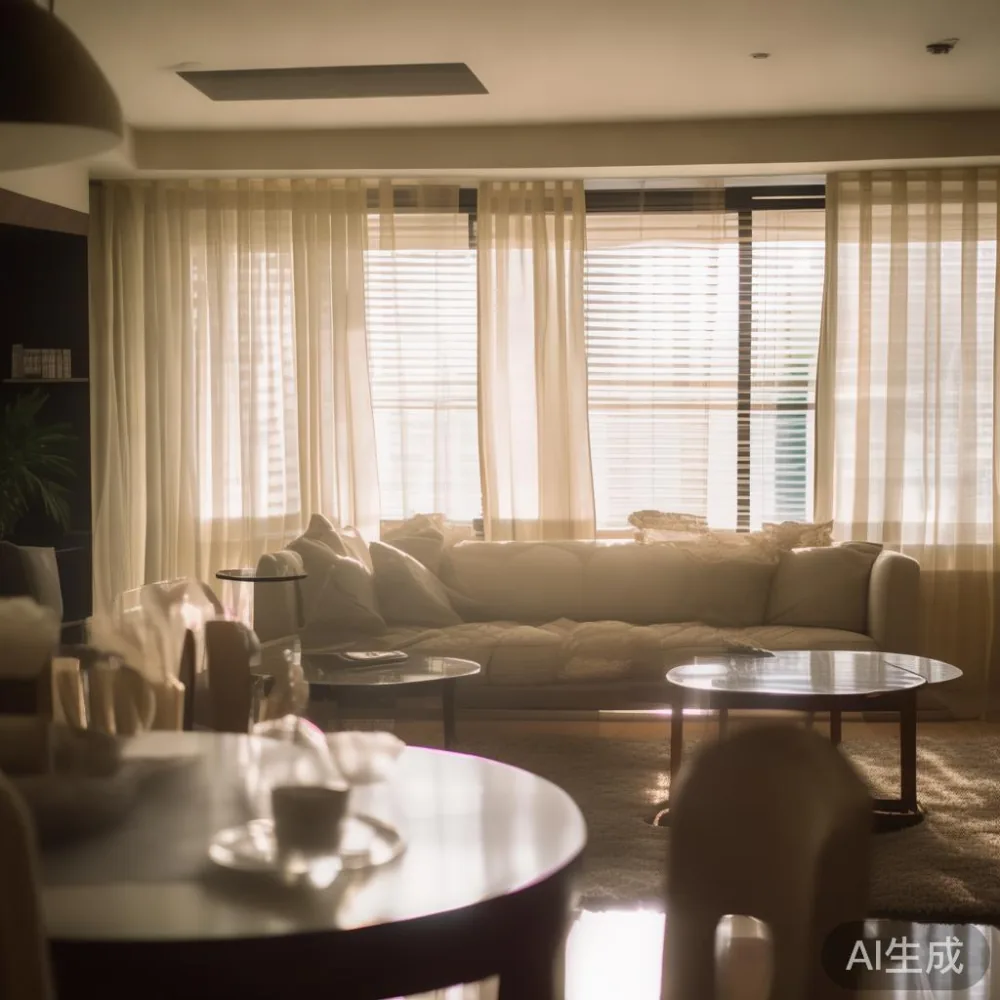
Begin with the sofa’s outer dimensions, then compare them with the intended wall. A two-seat sofa might measure 168 cm wide, 92 cm deep and 82 cm high, while a three-seat version measures 202 cm wide. The difference is only 34 cm on paper, but that can decide whether the dining table remains usable or a walkway becomes cramped.
For a dining arrangement, leave at least 90 cm between the back of a dining chair and the nearest obstruction. Many people settle for 75 cm, but that means squeezing sideways whenever someone pulls out a chair. If a sofa sits opposite the dining table, measure the complete chair-to-sofa gap rather than the sofa alone.
Check the seat height and depth as well. A seat around 43–46 cm high works for many adults, while a depth of 52–58 cm supports upright sitting more comfortably than a 65–70 cm deep lounge seat. Deep seats can look elegant in a large living room, but they are less practical in a Punggol condo where the sofa also needs to face a television from a sensible distance.
Draw the room to scale, even roughly. Mark the sofa, dining table and circulation route on graph paper or a phone floor-planning app. Include 5 cm of wall clearance for uneven plasterwork, sockets and skirting boards. Ask for the product’s full dimensions, not just the frame width, because arms, cushions and angled backs can alter the space it occupies.
Will the sofa actually fit through my lift, corridor and front door?
The purchase is not complete until the delivery team can get the sofa into the home. For a typical HDB lift, check the door width, the internal depth and the distance needed to turn the sofa. A sofa with a rigid frame may need to enter diagonally, which is more difficult than sliding it straight in. If the packaged sofa is 186 cm long and 88 cm high, it may fit through an 85 cm doorway only if it can be tilted and rotated without damaging the frame or the lift’s protective panels.
At a Bedok or Tampines block, the route may also involve a 120–140 cm common corridor, a staircase, or a landing with another right-angle turn. Measure the narrowest point, not the average. Photograph the lift sign and door openings, and share them with the supplier before payment. Request the sofa’s packed dimensions and weight if the route includes stairs. A 65 kg frame is already awkward; an 85 kg frame is a different moving job.
Last month I visited a colleague’s three-room HDB flat in Tampines to look at a pale oak solid wood sofa she had ordered. The showroom had looked generous, but the actual route required turning the sofa through a 78 cm flat-pack cabinet door at the entrance. The supplier had split the back into two sections after checking the photographs. The alternative was a 3-day redelivery and a possible SGD 120 return charge, so the team measured twice before bringing it upstairs.
Also check whether the lift has a booking restriction. Some HDB lifts require resident approval or have moving-hour limits, while condo management may require a service-booking form, protective floor covering or an insurance certificate. Ask whether delivery is included, what stairs attract a surcharge, and how many days the service takes. MIDHILL offers delivery planning and a 10-year structural warranty, but access still depends on accurate measurements supplied by the customer.
How do I test seat comfort in the showroom?
Sit on the sofa for at least 10 minutes, using the position in which you normally sit rather than perching on its edge. Check that your feet can rest on the floor, your lower back is supported and your shoulders do not have to lean forward. A seat that feels fine for 2 minutes can become uncomfortable after a 45-minute dinner or a 90-minute film.
Press the seat cushion, then release it. Good foam should return to shape within several seconds, although some slow recovery is normal. A cushion that remains visibly compressed may have low-density filling, especially if it is described only as “comfortable” without a foam density or construction detail. Ask the retailer to explain the seat core, the cushion fill and the suspension system. Sinuous springs, webbing or a combination of both may be used, but the salesperson should be able to state what is inside.
Test the back cushion by sitting upright and reclining. It should support the lower back without forcing a rigid posture. Also pull the seat cushion forward: a gap between the cushion and the backrest may mean the sofa looks comfortable in the showroom but lacks usable lumbar support when someone settles in.
Consider the household’s actual routine. A family sofa may need removable, washable covers and a firmer edge for children. A guest-room sofa can be slimmer, but it should still accommodate a guest for 30–60 minutes. If the sofa is mainly decorative, do not call it a sofa; choose an occasional chair with a smaller footprint. This is especially relevant when asking whether is light luxury sofa worth it: a light-luxury look is useful only if the proportions, comfort and access route meet your home’s conditions.
Is a light-luxury sofa suitable for a compact Singapore home?
Light luxury is less about making a room look expensive and more about proportion, material quality and visual restraint. French light luxury often uses curved arms, refined timber details and a softer profile. American light luxury tends toward deeper cushions, broad proportions and a more relaxed appearance. Post-modern light luxury can use clean geometry, muted colours and simpler silhouettes.
In a compact flat, a French-style sofa with a 76 cm wide arm on each side may occupy more space than the stated frame width suggests. An American sofa may be comfortable, but its 96–102 cm depth can crowd a dining table set within 300 cm of the television wall. Post-modern forms often suit smaller rooms better because the visual footprint appears lighter, although the actual measurements still matter.
Before deciding between a light luxury sofa vs Modern sofa, compare the useful seat width, not the total width. A 190 cm sofa with 12 cm arms may provide 166 cm of usable seating. Divide that by approximately 55 cm per adult and you can judge whether it is a genuine two-seater or a three-person frame that feels crowded.
If the main styling question is how to style European light luxury sofa in room, begin with a restrained palette: one warm neutral, one accent textile and one wood tone. A solid wood sofa can sit naturally with a dining table, while a fabric slipcover may create a more relaxed French impression. Keep the room’s decorative objects controlled so the sofa does not compete with the dining area.
What should I inspect on the sofa’s frame and finish?
Look beneath the sofa and along exposed edges. A solid wood sofa should identify the timber species or be described accurately as a solid wood frame with engineered components, rather than implying that every concealed part is solid timber. Check the joints, corner blocks and leg fixing points. A frame that feels hollow when knocked may indicate thin panels or inadequate bracing, although the sound alone is not proof of failure.
For a product expected to last 5–10 years, ask about the structural warranty and the treatment of frame defects. MIDHILL provides a 10-year structural warranty on its furniture, with coverage depending on the product and its terms. A long warranty is meaningful only if the supplier explains what it includes, what is excluded and how a claim is assessed. Photograph the frame and packaging at delivery, especially for a corner or end unit.
Upholstery needs a different inspection. Check the pattern alignment across the seat and back, the stitching near the arms and the colour under indoor lighting. Natural fabrics vary slightly, so request a physical swatch rather than relying on a screen. If pets or children are likely, compare stain resistance, cleaning instructions and the availability of replacement covers. A marble table may be a durable choice elsewhere, but its 70–80 kg weight and sharp edges need careful protection around children; that is why material selection should follow use, not trend.
Look at the sofa’s floor clearance too. A 7–10 cm gap can make cleaning easier, but it may expose a high leg and expose the frame. Confirm that the feet will not wobble on uneven tiles. A felt pad set of 2–4 mm can protect both the feet and floor without creating instability.
How will the sofa work with my dining table and other furniture?
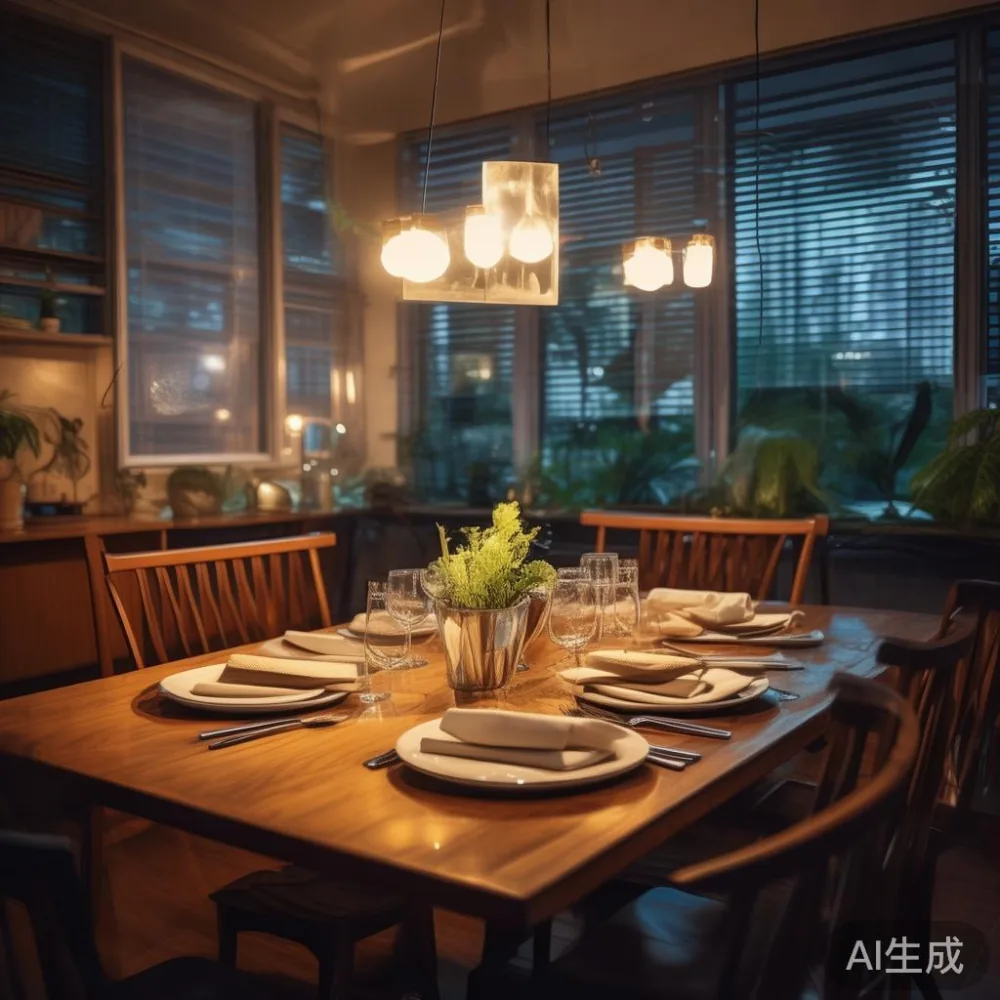
A sofa should not be planned in isolation. In an open-plan HDB dining-living area, the dining table may measure 140 cm long by 80 cm wide, while a three-seat sofa may be 210 cm wide. Place both on the same floor plan and test chair movement. A table that looks spacious in the showroom can become unusable if a sofa arm is only 65 cm away.
For a 90 cm round dining table, allow roughly 120 cm of width when chairs are partially pulled out. A 160–180 cm rectangular dining table usually needs 300–360 cm across the room for comfortable service. Those dimensions explain why a 200 cm sofa can make a 140 cm dining table feel secondary. A smaller dining table, such as a 120 cm round model, may create a better circulation pattern in a 320 cm wide living zone, although fewer people can sit around it.
Coordinate finishes rather than matching every item exactly. The dining table, bed frame, wardrobe, nightstand and sofa can share one visual idea, such as pale oak, warm walnut or charcoal-stained wood, while the textiles provide contrast. If you are planning a bedroom, Modern light luxury for guest room ideas work best with one upholstered bed, a compact nightstand and a slim wardrobe; adding 5–6 competing styles can make a modest room appear crowded.
A related storage question is whether is French provincial wardrobe worth it in a Singapore bedroom. The answer depends on usable internal dimensions, door swing and access. A 180 cm wide French provincial wardrobe with ornate moulding may need 200–220 cm of wall space, while the internal hanging depth may still be only 55 cm. Compare the rail length, shelf spacing, drawer extension and mirror-door weight before deciding. Scale and proportion matter more than the label.
What should I confirm before paying and delivery?
Ask for a written specification containing the exact SKU, dimensions, seat dimensions, frame materials, cushion construction, upholstery composition, colour, warranty and delivery terms. Confirm the lead time in calendar days, not a vague phrase such as “soon”. A stocked item may be delivered within 5–7 days, while a made-to-order piece may take 30–45 days. For international production, allow a further 7–14 days for shipping and local scheduling.
Singapore prices should be shown clearly in SGD and should state whether GST is included. Check the payment milestones, cancellation terms and the treatment of damage during delivery. MIDHILL provides free shipping for orders over US$350, and eligible products can be returned within 14 days under its return policy, but read the applicable conditions before ordering a made-to-order sofa.
Confirm the delivery team’s role: do they bring the item into the room, place it, assemble it and remove packaging? For lift access, provide the building name, block number, floor, lift dimensions and any parking instructions. A delivery window should not be promised as an exact time unless the supplier can provide one. Keep the old unit and access route clear for the delivery date.
For a European-style three-seat sofa, consider the arrival orientation. If the back is detachable, the frame may enter in two sections and be assembled upstairs. Ask how many people are required, whether tools are supplied and whether accidental frame damage during self-assembly affects the warranty.
What are the warning signs that a sofa will be impractical?
Watch for vague measurements, a sales pitch that avoids the actual access route, or a seat that cannot be tested in a normal posture. Be cautious if the supplier says the sofa “fits anywhere” without asking about the lift and corridor. Also question a low seat that forces taller users forward, a backrest that does not support the shoulders, or a frame whose arms reduce usable seating below two adults.
Other warning signs include a dining chair clearance under 75 cm, a sofa that projects more than 15 cm into the main walkway, a deep seat above 60 cm in a small room and a finish without a physical sample. A 90 cm wide sofa with a 50 cm internal seat may look balanced online but will feel compressed for two adults.
The final check is simple: before paying, tape the sofa footprint on the floor with painter’s tape. Mark the dining table and chair positions beside it. Walk around the arrangement, sit down, pull out a dining chair and imagine carrying the sofa upstairs. If the result looks practical rather than merely photogenic, you have a stronger foundation for the purchase. A well-chosen sofa should be comfortable for at least 30 minutes, accessible with a planned delivery route and proportionate to the dining table and the room around it.