Selecting the Right Dining Table for Your Singapore Home
When you live in an HDB flat, every square centimetre counts. The living room often doubles as a dining area, especially in Tampines, Bedok or Punggol where floor plans are designed for efficiency. Before you fall in love with a beautiful solid wood sofa or a marble table, you need to know what size dining table will fit comfortably without blocking the lift corridor or making the room feel cramped. This guide walks you through measurement steps, shape options, material choices and practical delivery details, all while keeping the light‑luxury vibe that many Singaporean homeowners love.
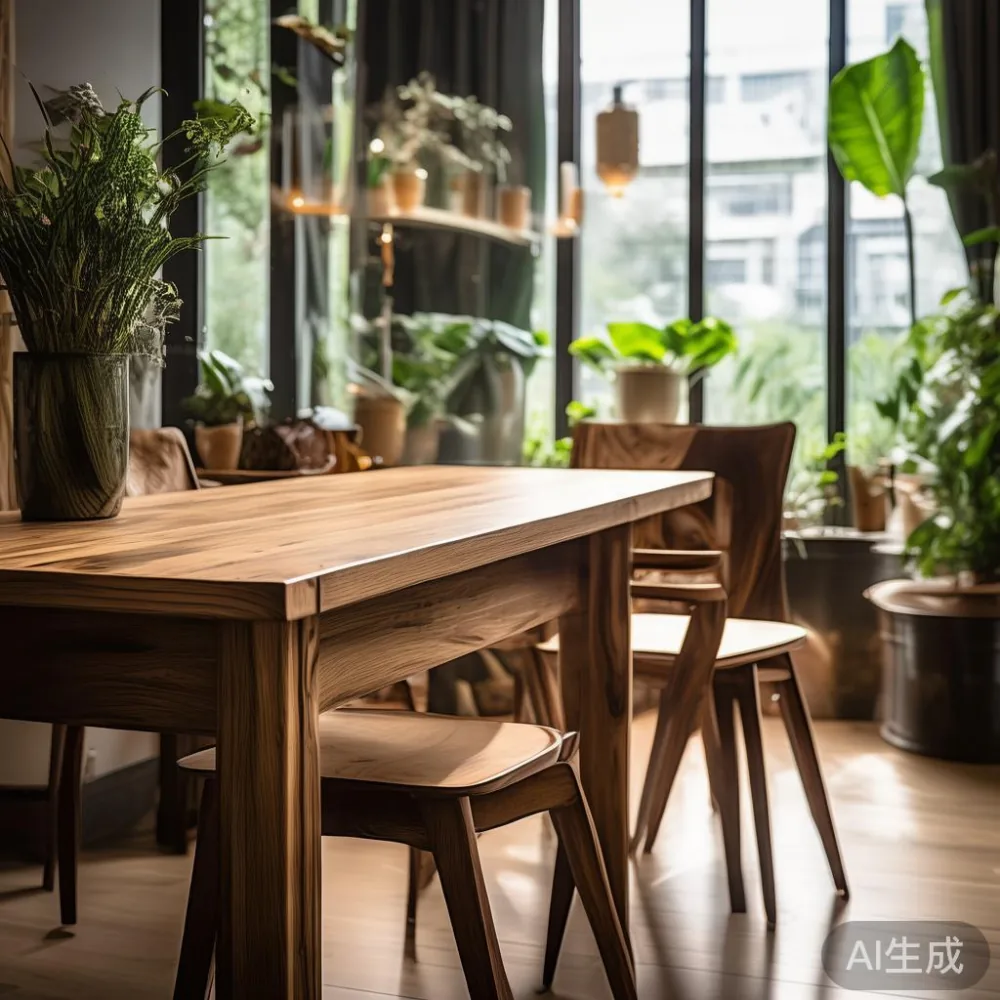
Understanding HDB Layout Constraints
Most HDB flats have a living room width between 280 cm and 340 cm, with a depth ranging from 300 cm to 380 cm. In a typical 4‑room flat in Tampines, the usable floor space after placing a solid wood sofa and a wardrobe is often around 2.5 m by 3.0 m. Lift doors in older blocks are usually 90 cm wide, while newer builds in Punggol may offer 1.0 m openings. Corridor widths inside the unit are generally 1.2 m, which means any furniture piece larger than 1.1 m in depth could impede movement when you carry it from the lift to your door. Knowing these numbers helps you avoid the disappointment of a table that arrives but cannot be brought inside.
When you plan for a dining table, remember to leave at least 75 cm of clearance behind each chair for easy seated movement. If you choose a bench style, you still need 60 cm of space on the open side. These clearances are non‑negotiable in a compact HDB setting where the living room also serves as a passageway to the kitchen or balcony.
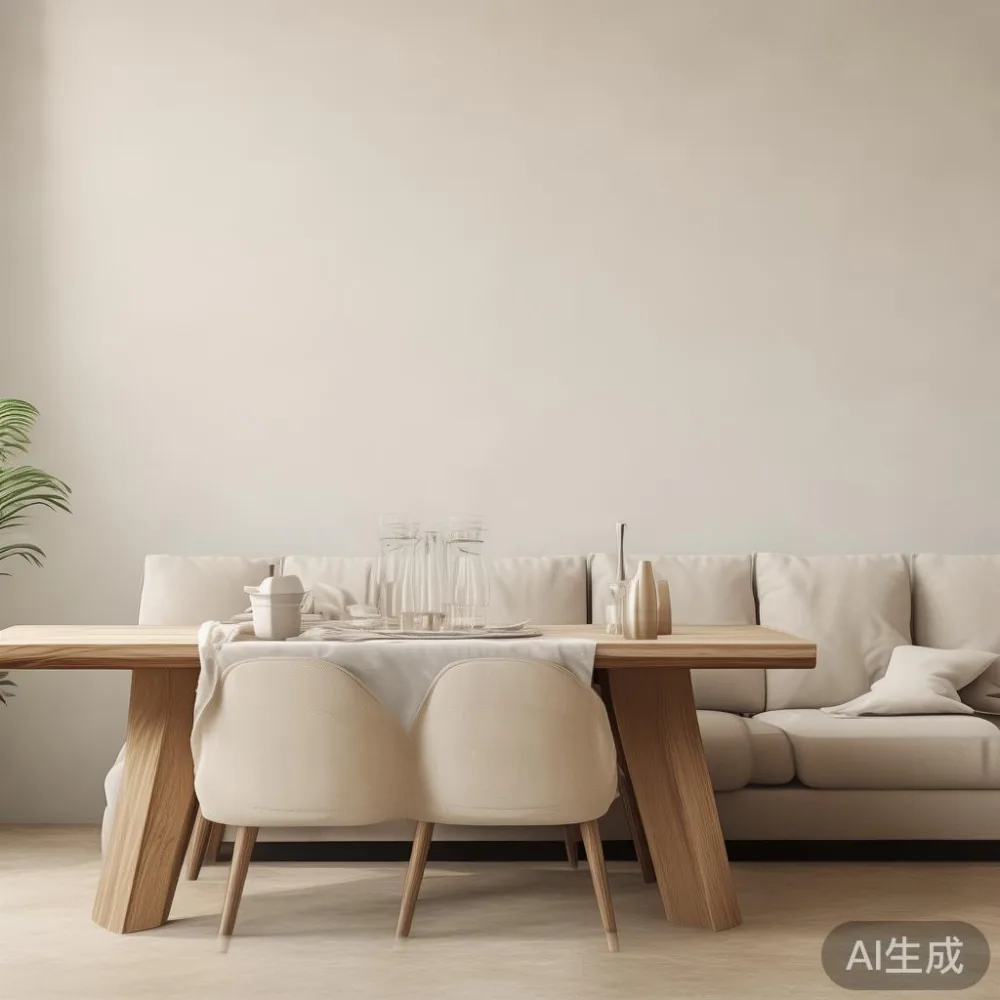
How to Measure Your Living Room for a Dining Table
Start by clearing the area where you intend to place the table. Use a tape measure and note the length and width of the open floor space in centimetres. Subtract 150 cm from each dimension to account for the required clearance around the table and chairs. For example, if your clear floor area measures 320 cm by 300 cm, subtracting 150 cm leaves you with a maximum table size of 170 cm by 150 cm. This calculation ensures that even when chairs are pulled out, you still have at least 75 cm of walking room.
Write down the numbers and keep them handy when you browse showrooms or online catalogues. Many retailers list table dimensions in centimetres, making it easy to compare. If you are considering a round table, measure the diameter instead of length and width, and apply the same clearance rule: subtract 150 cm from the diameter to get the maximum size that will fit comfortably.
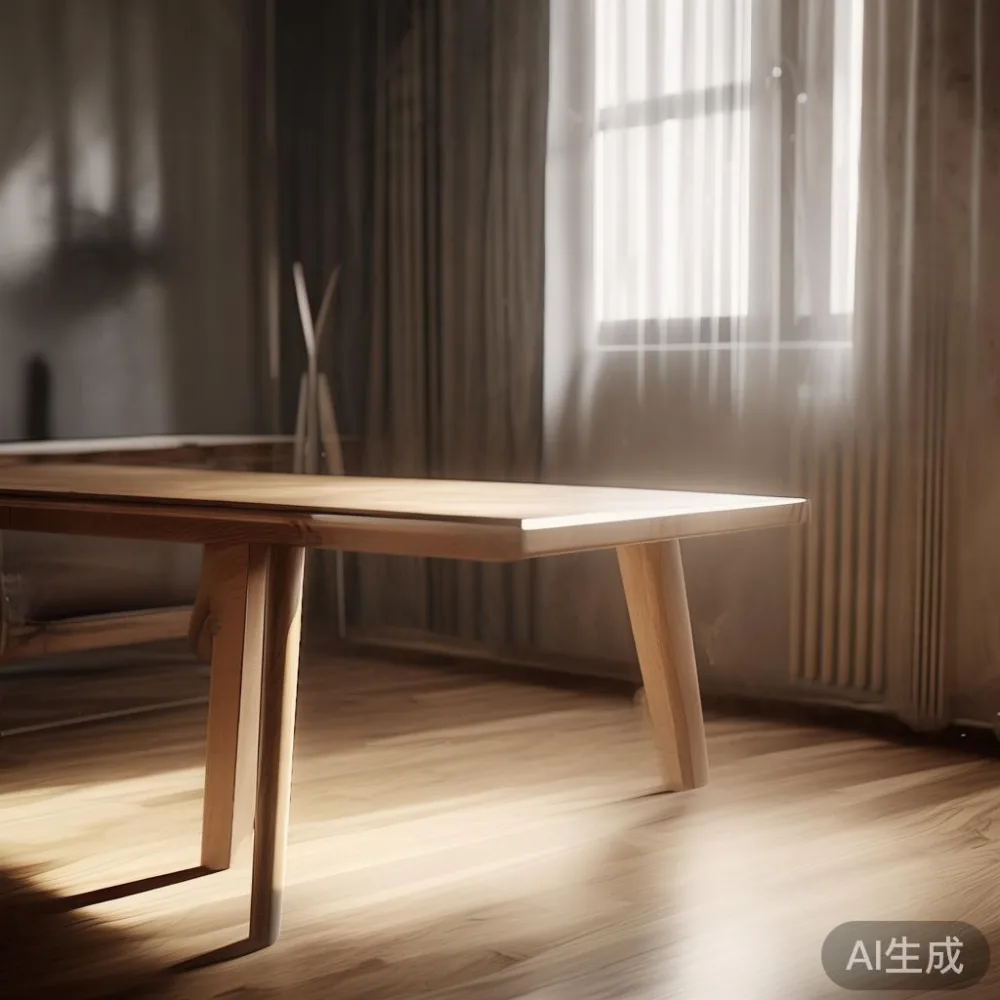
It is also useful to mark the intended table footprint on the floor with painter’s tape. This visual cue helps you see how the piece interacts with existing items like a nightstand, a bed frame in the adjoining bedroom or a solid wood sofa. Adjust the tape until the layout feels balanced, then note the final dimensions.
During a recent visit to a friend’s flat in Bedok, I measured his living room and found that a 160 cm rectangular table left exactly 80 cm behind each chair, which felt just right for family meals and occasional work‑from‑home laptop use.
What size dining table fits a typical 4-room HDB flat?
In a standard 4‑room HDB flat, the living room often measures about 3.2 m wide by 3.6 m deep. After placing a solid wood sofa against one wall and a wardrobe opposite, the remaining usable floor space is roughly 2.2 m by 2.8 m. Applying the 75 cm clearance rule on all sides gives a maximum table length of 1.5 m and a width of 1.0 m. This means a rectangular dining table sized 150 cm × 100 cm will fit comfortably while still allowing easy traffic flow.
If you prefer a round table, the maximum diameter that works in the same space is about 130 cm. A 130 cm round table leaves roughly 75 cm of clearance around its edge, which is sufficient for two to four chairs. For families that often host six people, a rectangular table with an extension leaf can be a smart solution; the base size stays within the 150 cm × 100 cm limit, and the leaf adds 30 cm to 40 cm when needed.
Keep in mind the weight of the table as well. A solid wood dining table of this size typically weighs between 40 kg and 55 kg. Heavier pieces may require additional manpower during delivery, especially if the lift in your building is narrow. Most HDB lifts in Tampines and Bedok accommodate loads up to 250 kg, so a 50 kg table is well within safe limits.
When you see a price tag, remember to add the prevailing GST of 9 %. A table listed at SGD 1 800 will cost about SGD 1 962 after tax. Many retailers, including MIDHILL, offer free shipping for orders over SGD 350, which helps offset the tax impact.
Choosing Shape: Rectangular, Round or Square for Compact Spaces
The shape of your dining table influences both aesthetics and functionality. Rectangular tables are the most common choice for HDB flats because they align well with the typical room geometry. A 150 cm × 100 cm rectangle provides ample surface for plates, bowls and a centrepiece, while still leaving room for a solid wood sofa on one side and a nightstand on the other.
Round tables promote conversation flow and eliminate sharp corners, which can be a safety consideration in homes with young children. A 130 cm round table fits nicely in the centre of a living room, allowing chairs to be pulled out without hitting the wardrobe or the marble table that might serve as a console.
Square tables, though less common, work well when the living room is roughly symmetrical. A 120 cm × 120 cm square offers a balanced look and can be pushed against a wall to save space when not in use. Pair it with a pair of upholstered chairs and a small bench for flexibility.
Regardless of shape, consider the table’s edge profile. A softened or bevelled edge reduces the visual bulk and adds a touch of French light luxury, which many Singaporean homeowners appreciate for its understated elegance.
Material Matters: Solid Wood Options and Light Luxury Appeal
Solid wood remains a favoured material for dining tables in HDB flats because it ages gracefully and can be refinished over a lifetime. Common choices include oak, teak and rubberwood, each with distinct grain patterns and weight characteristics. An oak table of 150 cm × 100 cm typically weighs around 48 kg, while a teak counterpart may be slightly heavier at 52 kg due to its dense grain.
If you are aiming for a light‑luxury atmosphere, look for finishes that highlight the natural wood grain without heavy staining. A light oak or whitewashed teak surface pairs well with a solid wood sofa in a neutral linen fabric and a marble table accent piece. This combination creates a cohesive look that feels both warm and refined.
Many manufacturers now offer post‑modern light luxury designs that blend clean lines with subtle metallic accents, such as brushed brass legs. These details add a hint of sophistication without overwhelming the modest proportions of an HDB living room.
When you browse, you might notice phrases like "under 2000 light luxury furniture" used to describe collections that balance price and aesthetics. Similarly, you may come across "top 10 Rustic furniture" lists that highlight pieces with reclaimed wood textures, though those styles may clash with the sleek lines preferred in a light‑luxury setting.
For those who enjoy a touch of European charm, "designer French provincial furniture" often features curved legs and soft paint finishes. While beautiful, such designs can dominate a small space, so consider using them as accent pieces rather than the main dining table.
If you need inspiration for the bedroom, the phrase "how to style light luxury bed in apartment" offers practical tips on layering linens, adding a plush headboard and selecting matching nightstands that echo the dining table’s material.
In the dining area, a subtle nod to Japanese aesthetics can be achieved with a low‑profile table and simple shoji‑style screens. Searching for "Japanese for dining room" yields ideas that emphasise natural textures, muted colours and functional simplicity—qualities that complement a solid wood table without adding visual clutter.
When planning storage for the rest of the home, you might look at the "best Modern wardrobe for 2026" to find sleek sliding‑door designs that maximize space while keeping a contemporary feel. Matching the wardrobe’s finish with your dining table’s wood tone creates a harmonious flow from the living room to the bedroom.
Finally, remember to look for the exact phrase "MIDHILL dining table" when you browse their catalogue; it signals a piece backed by a 10‑year structural warranty, lifetime refinishing and free shipping over SGD 350.
Practical Tips: Delivery, Assembly and After‑sales Service
Once you have settled on the size, shape and material, check the delivery timeline. Most suppliers in Singapore promise delivery within 7 to 10 business days for in‑stock items. If you opt for a custom finish, add another 3 to 5 days for production. Confirm that the delivery team will work through the lift and corridor widths specific to your block; providing them with the exact dimensions of your HDB unit helps avoid surprises on the day of arrival.
Assembly is usually straightforward for solid wood tables. Many come with pre‑drilled holes and cam‑lock fittings that require only an Allen key and a screwdriver. Expect to spend about 30 to 45 minutes putting the table together, depending on the number of pieces. If you prefer not to DIY, some retailers offer an assembly service for an additional fee, typically around SGD 50.
After‑sales support is equally important. Look for a warranty that covers structural defects for at least 10 years—a standard offered by MIDHILL on their solid wood ranges. Lifetime refinishing means you can restore the table’s surface after years of use, keeping it looking fresh even as trends evolve.
Finally, keep the original receipt and take photos of the table upon delivery. Should any issue arise within the warranty period, having documentation speeds up the claim process. With careful planning, your dining table will become a durable centrepiece that accommodates family meals, work‑from‑home sessions and occasional gatherings, all while fitting perfectly within the unique dimensions of your Singapore HDB home.