Solid Wood Dining Table: Price Insights
Solid wood furniture is often compared by appearance alone: grain pattern, colour, edge profile and finish. Those features matter, but they explain only part of the price on a solid wood dining table, solid wood sofa, bed frame, wardrobe, nightstand or marble table. The more useful question is what you are buying beneath the surface.
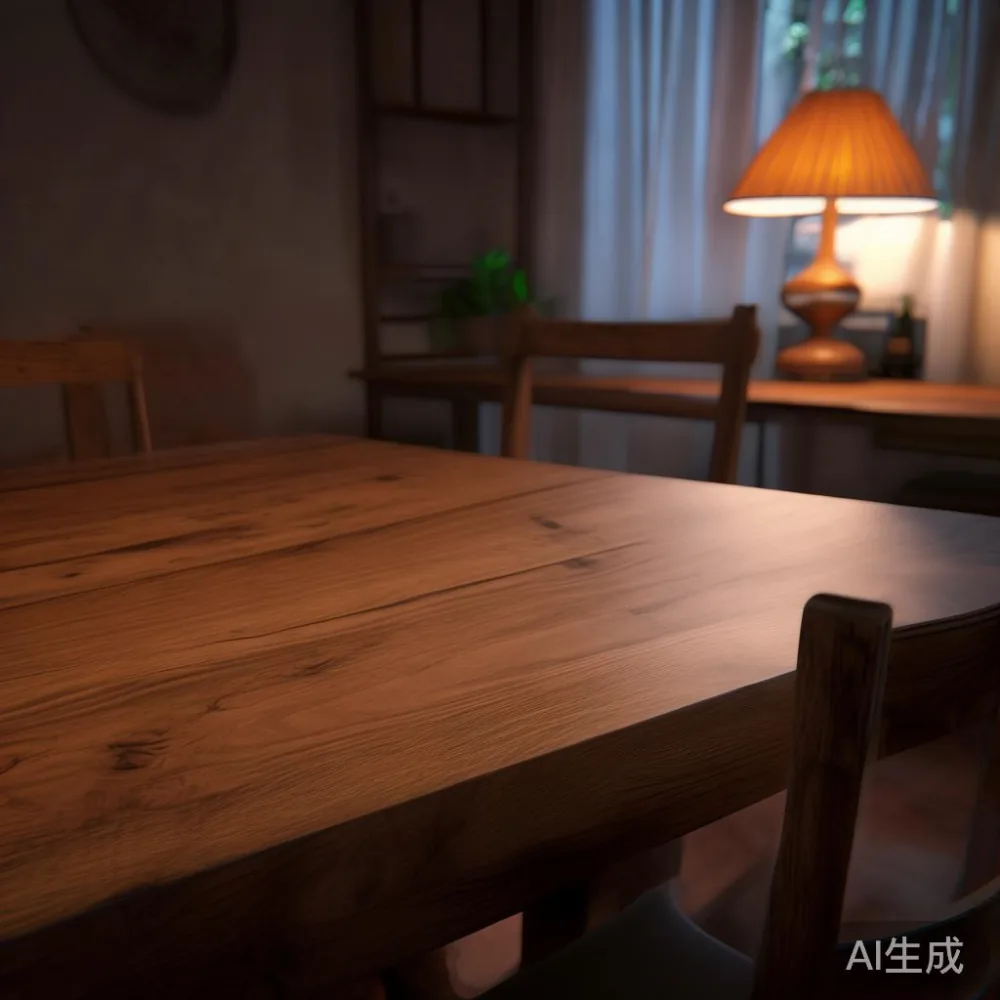
For Singapore homes, that decision becomes very practical. A dining table may need to pass through a HDB flat entrance, turn in a landing and fit into a dining bay. A lift measuring 110 cm by 140 cm cannot accept every package without checking diagonal clearance and turning space. A condo corridor may be narrower than a show-floor aisle. Delivery, installation, material selection and structural design all contribute to the final figure.
I visited a supplier in Foshan last month and watched a 210 cm dining table being packed. The timber itself was already documented, but the factory still checked the corner joints, moisture level, load paths, finish and carton dimensions. That process cost far more than choosing a decorative edge. The table looked simple; the engineering was not.
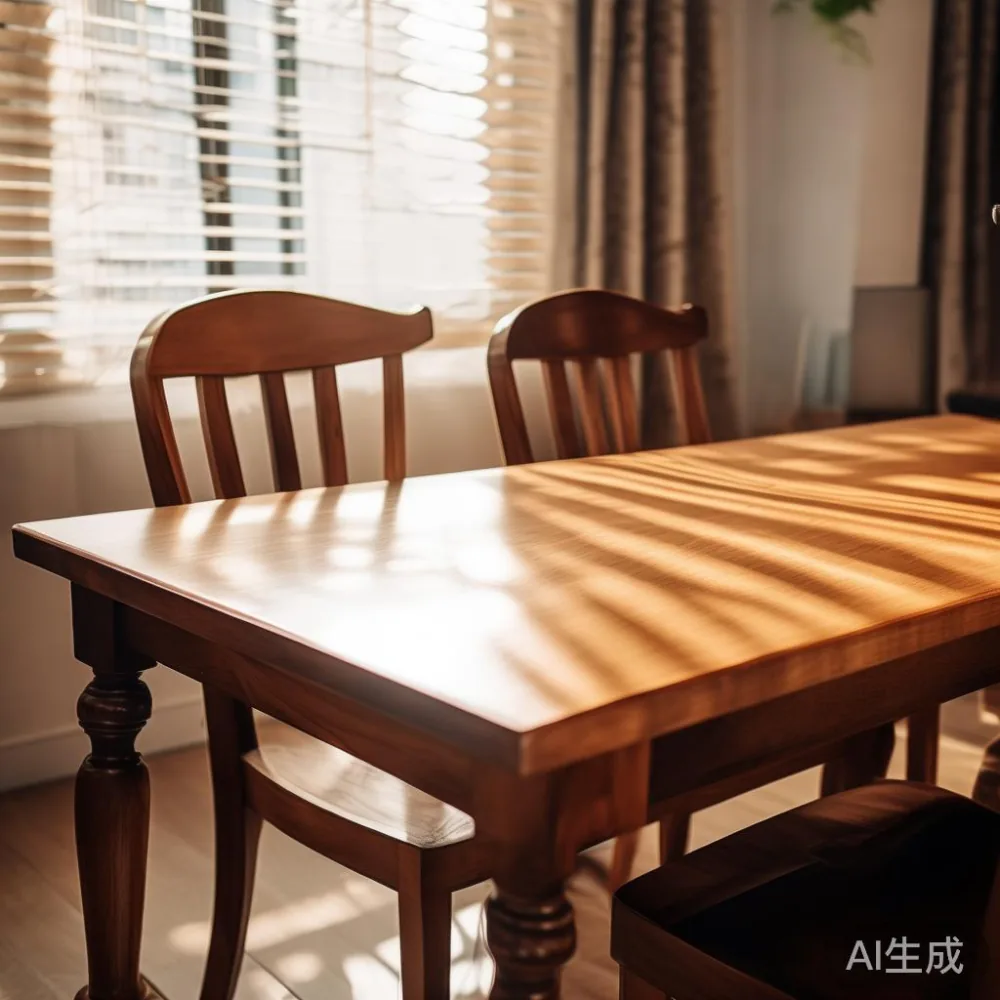
This guide breaks down the measurable factors behind solid wood furniture pricing, with particular attention to dining tables and the constraints of Singapore apartments.
Is Solid Wood Always More Expensive Than Engineered Wood?
Not necessarily. Engineered wood can be economical because veneers or engineered boards use less solid timber and allow greater yield from each log. A high-grade solid wood dining table may cost more, but the gap depends on species, dimensions, construction and finish.
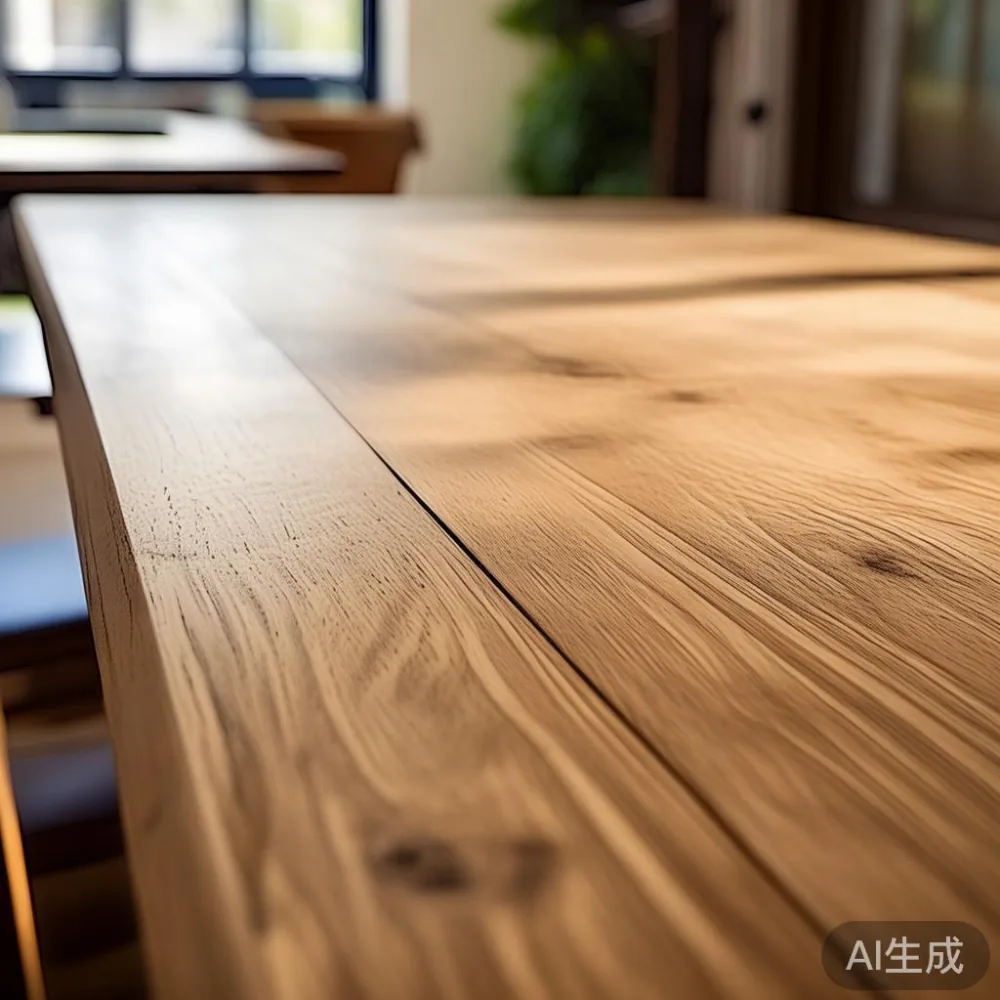
Price is also affected by yield. A board with broad, continuous grain may take more raw material than shorter pieces, while knots, cracks and colour variation can restrict usable sections. A dining table priced around SGD 2,400 and a comparable engineered dining table priced around SGD 1,500 may look close in a showroom. Their long-term repairability, movement behaviour and edge treatment may differ, though.
Ask for the exact panel specification rather than accepting “wood” as a description. For a dining table, solid timber may appear in the top, apron, legs and stretchers, while some concealed components use other materials. Clear labelling prevents confusion and makes price comparisons meaningful.
Solid wood is not a universal guarantee of superiority. Expansion, humidity, warping and surface care still matter. It is, however, a tangible construction choice with repair and refinishing potential. MIDHILL offers lifetime refinishing on qualifying products, which can make the purchase price easier to evaluate over a 10-year period rather than as an isolated transaction.
How Much Does Wood Species Change the Price?
Species is one of the clearest price drivers. Rubberwood, pine and other lower-cost hardwoods can support practical furniture at lower prices. White oak, walnut, ash and similar species may command more depending on supply, grading and fashion. “Walnut” alone is not enough: colour variation, sapwood, veneer thickness and whether the timber is solid can materially affect the result.
Typical solid wood dining table prices range from about SGD 900 to SGD 3,500, with larger or more demanding designs extending beyond SGD 5,000. Stone, metal or high-end joinery can move a marble table above SGD 4,000. A compact solid wood dining table may begin near SGD 700, while a 240 cm table in premium timber may reach SGD 6,000.
Material cost is not simply weight multiplied by a rate. A 210 cm table weighing 62 kg uses 2.6 cm-thick solid boards, while a visually similar 48 kg table may use thinner sections, laminated components or a different species. Fasteners, braces and joinery add cost too. A heavier table is not automatically better; balance, spacing between legs and resistance to movement determine whether it feels steady.
For Singapore conditions, ask about moisture content and acclimatisation. Relative humidity commonly ranges from roughly 55% to 80% across different parts of Singapore and throughout the day. A responsible maker should advise on ventilation and controlled indoor humidity rather than promise that timber will never move.
What Do Joinery, Load Capacity and Stability Cost?
Joinery is where hidden labour becomes visible in performance. A dining table with a reinforced apron, mortise-and-tenon joints and properly sized stretchers may require more cutting, fitting and inspection than one assembled with simpler hardware. Those details affect the risk of joint loosening under a daily load.
Useful figures matter more than vague claims. A dining table for six diners should generally offer at least 180 cm of usable width, allowing about 30 cm per person. A 220 cm model gives more elbow room and may carry a higher material and labour cost. Check the stated load, rather than inferring strength from a photographed model.
Back-leg braces can prevent the table from racking. Long tables may include a central support to limit sag, especially beyond 220 cm. Slatted tops can feel warm and visually lighter, but more slats mean more machining and alignment. An inset versus fully solid top also changes timber use, weight and price.
This is where a 10-year structural warranty has practical meaning. It signals that the manufacturer stands behind load-bearing construction for a defined period. Read the exclusions, movement tolerances and care requirements. A 5-year warranty with precise terms may be more reassuring than a 20-year claim with broad exclusions.
Why Does the Finish Add So Much to a Dining Table Price?
Finish protects the surface, but it is also a labour process. A raw tabletop may cost less because it needs only sanding and preparation. A sprayed, hand-rubbed or multi-coat finish adds materials, masking, drying, sanding and inspection time. Matte surfaces may require more care during production because every mark can show.
For a Singapore household, finish should suit real meals, hot dishes and humid rooms. Water-ring resistance, heat tolerance and repairability are more informative than the word “premium.” If one dining area is exposed to afternoon sun, ask about UV fading and how often maintenance is needed.
Colour also affects cost. White and pale finishes can require more preparation to reduce bleed-through and achieve consistency. Dark stains may conceal some grain variation but add application stages. A smoked finish on oak can require additional treatment compared with a natural oil finish.
French light luxury often favours pale woods, restrained profiles and tactile finishes. American light luxury may pair solid wood with more generous upholstery and statement proportions. Post-modern light luxury can mix shapes, materials and periods with greater freedom. None of these styles requires maximum spend; proportion, material honesty and execution carry more value than superficial ornament.
A light luxury for apartment project benefits from one controlled focal point. A marble table or solid wood dining table may anchor the room, while simpler storage and lighting prevent the space from feeling overdesigned.
How Much Should Delivery and Installation Add in Singapore?
Delivery should be quoted as a service with specific inclusions, not hidden inside a vague “free shipping” line. A dining table weighing 68 kg may need a two-person delivery team, a tail lift, carry-in and assembly. Lift reservation, stair climbing and corridor turns add time.
Measure before ordering. Record the lift door width and internal depth, the nearest turning space and the flat entrance width. A common HDB lift interior is around 110 cm wide and 140 cm deep, but older blocks and upgraded lifts vary. A 220 cm dining table cannot travel flat; it must be tilted, separated or turned diagonally. The diagonal of a 110 by 140 cm lift is about 178 cm, which explains why long components may not fit even when the floor area appears adequate.
At ground level, corridors may be only 120 to 150 cm wide. A sofa, bed frame or wardrobe needs more allowance than a compact nightstand. Ask whether the delivery team measures access, whether stair surcharges apply and whether packaging removal is included.
MIDHILL provides free shipping on orders over US$350, but Singapore buyers should still confirm the local quoted amount, GST treatment, delivery window and installation terms. GST is generally 9% in Singapore, and the receipt should show whether the displayed product price includes tax. Typical delivery may take 7 to 21 days after production, while made-to-order pieces can require 30 to 60 days.
Useful language includes “delivered to room of choice,” “assembly included” and “unpackaging and packaging removal.” Ask for the delivery fee beyond the free-shipping threshold; a table over US$350 can still incur accessorial charges for remote locations or special handling.
What Should You Compare When Comparing Furniture Prices?
Compare a complete specification: dimensions, timber species, solid-wood components, finish, joinery, load rating, warranty, delivery and installation. Two dining tables may both be listed around SGD 2,800 while offering very different inclusions.
Measure the dining space, not just the room. Allow 90 cm from the table edge to a wall or furniture for chair movement. For six diners, target 180 cm minimum; for 200 cm to 240 cm tables, check that nearby furniture does not restrict pull-out chairs.
European for dining room schemes often include solid wood dining tables with shaped aprons and softened edges. They suit warm woods and restrained accessories. Scandinavian for guest room ideas usually focus on light colours and functional layouts, which can guide a matching nightstand. If storage is the concern, understanding how to style Japanese wardrobe in room can make a tall unit feel lighter through vertical proportions and careful spacing.
Some editorial searches, such as best Industrial wardrobe for 2026, sound precise but reveal little about an individual home. A better test is whether the wardrobe has the required internal widths, whether its doors clear the corridor and whether the price includes hardware and installation. For a solid wood sofa or bed frame, inspect the frame joints and covering materials before considering decorative extras.
Budget at least 10% of the item price for access preparation, assembly, care products or future refinishing, unless the quotation explicitly includes them. For a SGD 3,000 dining table, that is about SGD 300. This is more useful than assuming every difference belongs to the timber.
How Do You Judge Value Without Comparing Only the Ticket Price?
Divide the total cost by the years of expected use, not by the size of the invoice. A SGD 2,600 dining table used twice a week over 10 years is about SGD 5 per use before maintenance. A SGD 1,200 table that cannot be repaired or refinished may offer a shorter useful life.
Look for replaceable parts and accessible care instructions. Minor scratches, edge wear and finish changes are normal over a decade. Ask whether refinishing is available, what it costs and whether it is covered. MIDHILL’s 10-year structural warranty and lifetime refinishing option help reduce uncertainty, while a 14-day return window offers a defined period to assess colour, comfort and fit against the room.
Solid wood furniture prices reflect a chain: log selection, milling, drying, machining, joinery, finishing, packaging and delivery. Each link should be visible in the specification. If two products share the same species, dimensions and finish but differ by SGD 700, the likely differences involve construction, labour, hardware or logistics—not a mysterious “luxury tax.”
For a dining table, begin with the room’s measurements, then verify structure and service. A correctly sized 200 cm solid wood dining table with stable joinery, a durable finish and clear delivery terms can offer better value than a larger model with vague specifications. In furniture, price is not the opposite of value. It is simply the point where material, labour, service and design meet.