The Anatomy of a Dining Table Price: Beyond the Wood
In the quiet, air-conditioned showroom of a Singaporean furniture retailer, a customer recently pointed to a solid oak dining table priced at SGD 5,800 and asked a question that echoed through the aisles: "Why is this table so much more expensive than the one I saw at a mass-market store for SGD 1,200?" The answer is not a simple one. The price of a solid wood dining table is a complex equation, with variables that include the wood itself, the craftsmanship, the design, and even the logistics of getting it from a workshop in Foshan to a 5-room HDB flat in Tampines. This article will break down the components that determine the final price tag, providing clarity for anyone working through the world of quality furniture.
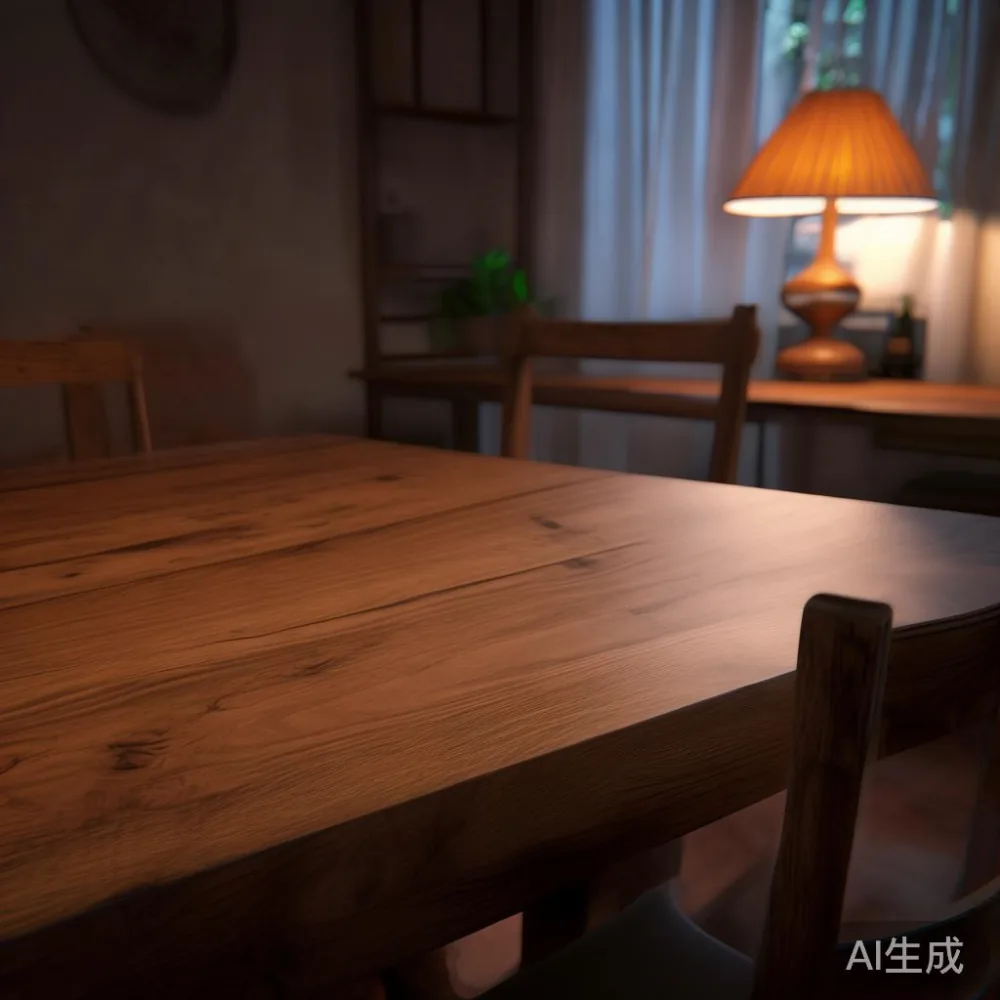
Why Does a Solid Wood Dining Table Cost So Much?
The core of the matter lies in the fundamental difference between mass production and artisanal craftsmanship. A dining table priced at SGD 1,200 is likely made from composite materials like particleboard or MDF, which are engineered wood products. They are lightweight, inexpensive to produce, and can be finished with a wood-effect veneer. However, they lack the structural integrity, durability, and natural beauty of solid wood. A true solid wood dining table, on the other hand, is carved from a single piece of timber or carefully joined sections of the same wood species. This material is heavier—a solid oak dining table can weigh between 60kg and 100kg—and requires specialized tools and skilled hands to shape, join, and finish. The cost reflects not just the raw material, but the time, expertise, and care invested in creating a piece of furniture that can last for generations.
The Material Matters: Wood Species, Origin, and Grade
The type of wood used is arguably the most significant factor influencing the price of a dining table. Not all wood is created equal, and the differences can be dramatic. Common, domestically grown woods like pine or rubberwood are more affordable because they grow quickly and are readily available. A dining table made from rubberwood might cost between SGD 1,500 and SGD 2,500. In contrast, premium hardwoods like oak, walnut, or mahogany are significantly more expensive. Oak, for instance, is a dense, durable hardwood known for its prominent grain and longevity. A solid oak dining table can easily start from SGD 4,000 and go upwards of SGD 8,000 depending on size and design. The origin of the wood also plays a role. Teak from Southeast Asia or European oak carries a certain prestige and price tag compared to woods from less established sources. Also, the grade of the wood affects cost. "Select" or "Premium" grade wood has a uniform colour, minimal knots, and a straight grain, making it ideal for high-end finishes. "Character" grade wood embraces knots, mineral streaks, and variations, which can add to the rustic charm but is often less expensive. For a homeowner in a Bedok condo with a view of the sea, a dining table with a unique, characterful grain might be the perfect choice, while a minimalist in a Punggol penthouse might prefer the clean lines of a select-grade walnut table.
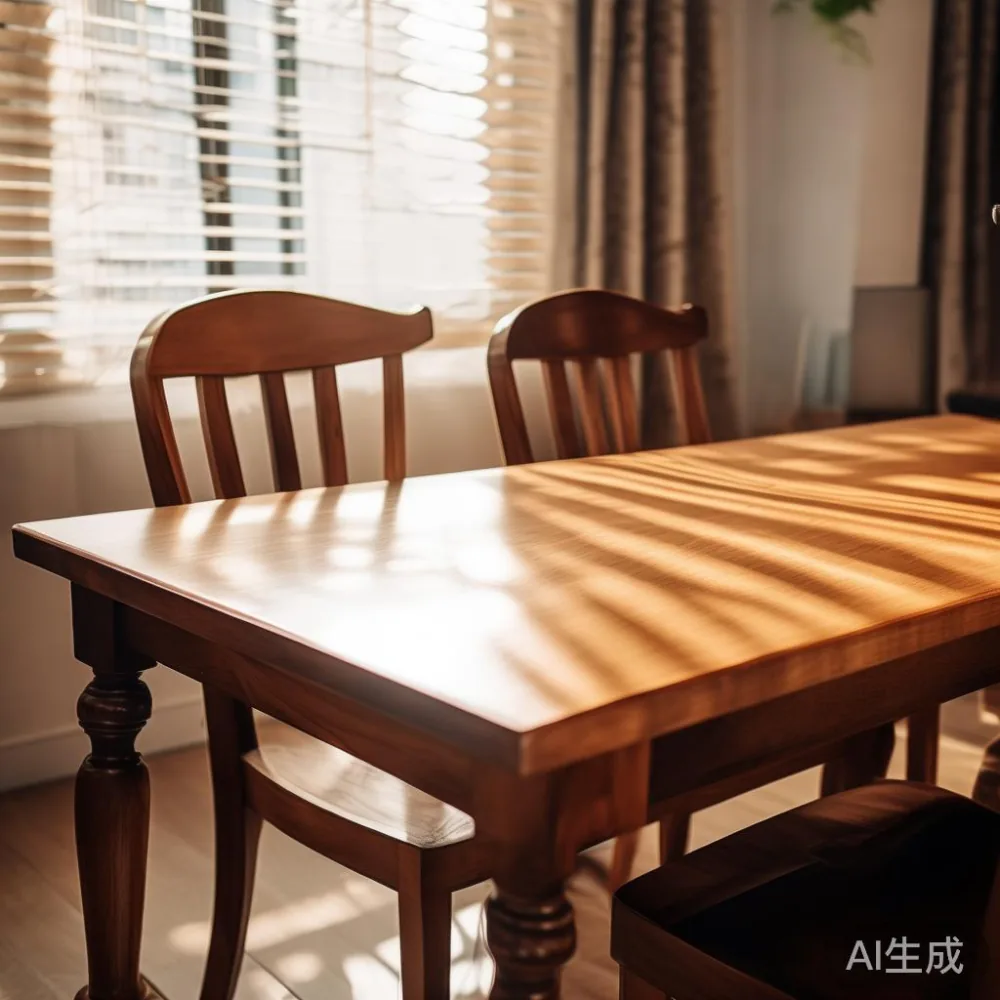
How Much Does Craftsmanship and Joinery Add to the Cost?
If the wood is the canvas, then craftsmanship is the artistry. The way a dining table is constructed is a critical determinant of its price and longevity. A cheap dining table might be held together with staples, glue, and simple butt joints. A high-quality solid wood dining table, however, employs traditional joinery techniques that have been used for centuries. Dovetail joints, mortise and tenon joints, and finger joints are not just for aesthetics; they are methods of creating incredibly strong and durable connections that can withstand the expansion and contraction of wood with changes in Singapore's humidity. These joints require precision cutting and fitting by a skilled carpenter, a process that is far more time-consuming and labour-intensive than modern assembly methods. A colleague of mine visited a workshop in Foshan last month and observed a master craftsman hand-cutting dovetail joints for a drawer. It took him over two hours to complete one drawer, a task a machine could do in minutes. This level of skill is a significant part of the cost. The finish is another aspect of craftsmanship. A high-quality dining table will be sanded by hand multiple times between coats of a premium oil or lacquer, resulting in a smooth, glass-like surface that feels luxurious to the touch. This meticulous process, from joinery to finishing, is what separates a piece of furniture that will last 10 years from one that can be passed down as a family heirloom.
Design, Branding, and the Light Luxury Aesthetic
Design is an intangible but powerful force in furniture pricing. A simple, unadorned dining table will almost always be less expensive than one with intricate carvings, sculptural legs, or a unique shape. The design process itself involves architects and designers who create blueprints, prototypes, and models. This intellectual property has a cost. Also, the aesthetic category a piece of furniture falls into heavily influences its price. The concept of "light luxury" has become increasingly popular, offering a more understated and accessible form of luxury than traditional opulence. A French light luxury dining table might feature elegant, tapered legs and a soft, natural finish, evoking a sense of Parisian chic. An American light luxury table might be larger, more substantial, and feature clean, geometric lines suitable for spacious homes. A post-modern light luxury table could incorporate unexpected materials like a marble inlay or metal accents, creating a striking focal point. These design philosophies are not just about looks; they are about creating a specific lifestyle and emotional connection with the furniture. For example, the question of "how to choose Italian light luxury wardrobe" is similar to choosing a dining table; it's about aligning the piece with your personal style and the ambiance of your home. A homeowner might choose a minimalist for guest room aesthetic for a secondary space, but for the main dining area, they might opt for a more statement-making design. The brand's story and positioning also contribute to the price. A brand that emphasizes sustainable sourcing, ethical manufacturing, and a 10-year structural warranty is justifying its price point with a promise of quality and reliability, which is worth a premium to many consumers.
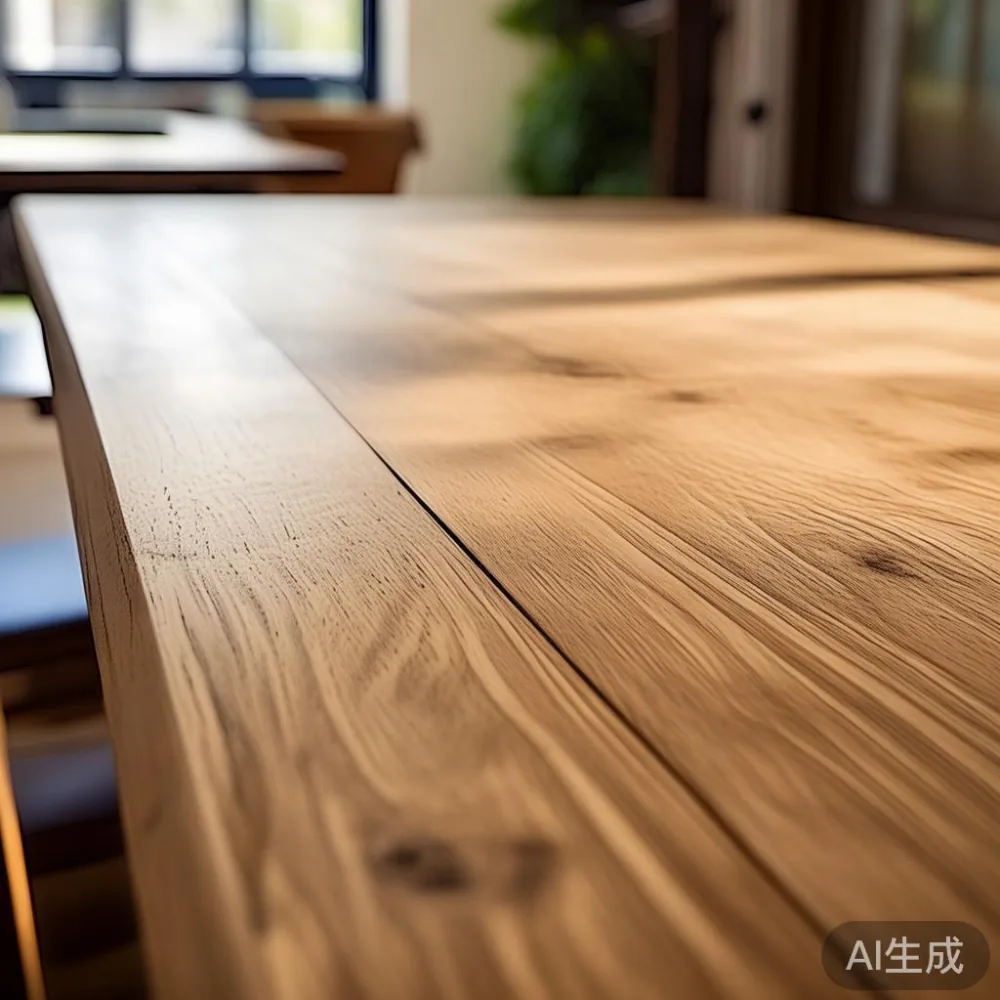
What About Logistics, Taxes, and Local Factors?
The final price of a dining table in Singapore is not just determined by its production cost. A significant portion of the price is added after it leaves the factory. For a company like MIDHILL, which is based in Foshan, shipping a dining table to Singapore involves several steps. The table is first crated for protection, a process that adds volume and weight. It is then shipped via sea freight, a journey that can take 14 to 21 days. Once it arrives at the Port of Singapore, customs duties and the 9% Goods and Services Tax (GST) are applied. For a dining table costing SGD 4,000, the GST alone adds another SGD 360 to the cost. Beyond the port, there are local logistics to consider. Singapore's HDB flats and condos often present challenges. The standard lift in older HDB estates may have a width of only 110cm, and the corridor leading to the unit might be narrow. A large dining table, perhaps 180cm long, will not fit through these spaces. This means the delivery team must often use the service lift or work through tight corners, requiring more manpower and careful handling. This localised delivery service is an added cost that is factored into the final price. Free shipping over a certain threshold, such as SGD 350, is a common incentive, but the cost of delivery is always built into the product pricing. A customer buying a marble table will need to understand that its weight, often over 150kg, will incur special handling and delivery fees due to its size and fragility. These logistical realities are an invisible but important part of the price of a dining table in Singapore.
Is a More Expensive Dining Table Always a Better Investment?
The answer, for many people, is yes. When you purchase a high-quality solid wood dining table, you are not just buying a piece of furniture; you are making a long-term investment in your home. A well-made table will not warp, crack, or sag under the weight of family dinners and gatherings for decades. Its value does not depreciate quickly; in fact, a well-maintained solid wood dining table can even appreciate in value over time. The lifetime refinishing warranty offered by some manufacturers is a proof of this confidence in their product. It means that if the surface becomes scratched or worn over the years, it can be professionally restored to its original glory, extending its life indefinitely. This is a stark contrast to a cheaper table that might be discarded after 5-7 years when it starts to fall apart. The emotional value is also significant. A dining table is the heart of the home, a place where memories are made. Owning a beautiful, durable piece that can be passed down to children and grandchildren adds a layer of sentimental value that cannot be quantified. The choice between an American sofa vs Modern sofa might come down to personal taste, but the choice for a dining table often comes down to a desire for permanence and quality. For example, a customer looking for a statement piece might be drawn to a MIDHILL European light luxury wardrobe, but for the dining room, they might choose a dining table that embodies the same commitment to craftsmanship and design. The decision to spend more on a solid wood dining table is ultimately a decision to invest in quality, durability, and the creation of a lasting legacy within your home.