Living with Wood: Understanding Humidity's Impact on Your Dining Table
For many Singaporeans, a solid wood dining table is more than a place to eat; it's the heart of the home, a gathering spot for family meals, late-night chats, and festive celebrations. We invest in these pieces for their natural beauty, warmth, and durability. However, Singapore's unique climate, characterised by high humidity levels throughout the year, presents a specific challenge for wood furniture. Understanding this relationship is key to preserving the beauty and integrity of your dining table for years to come.
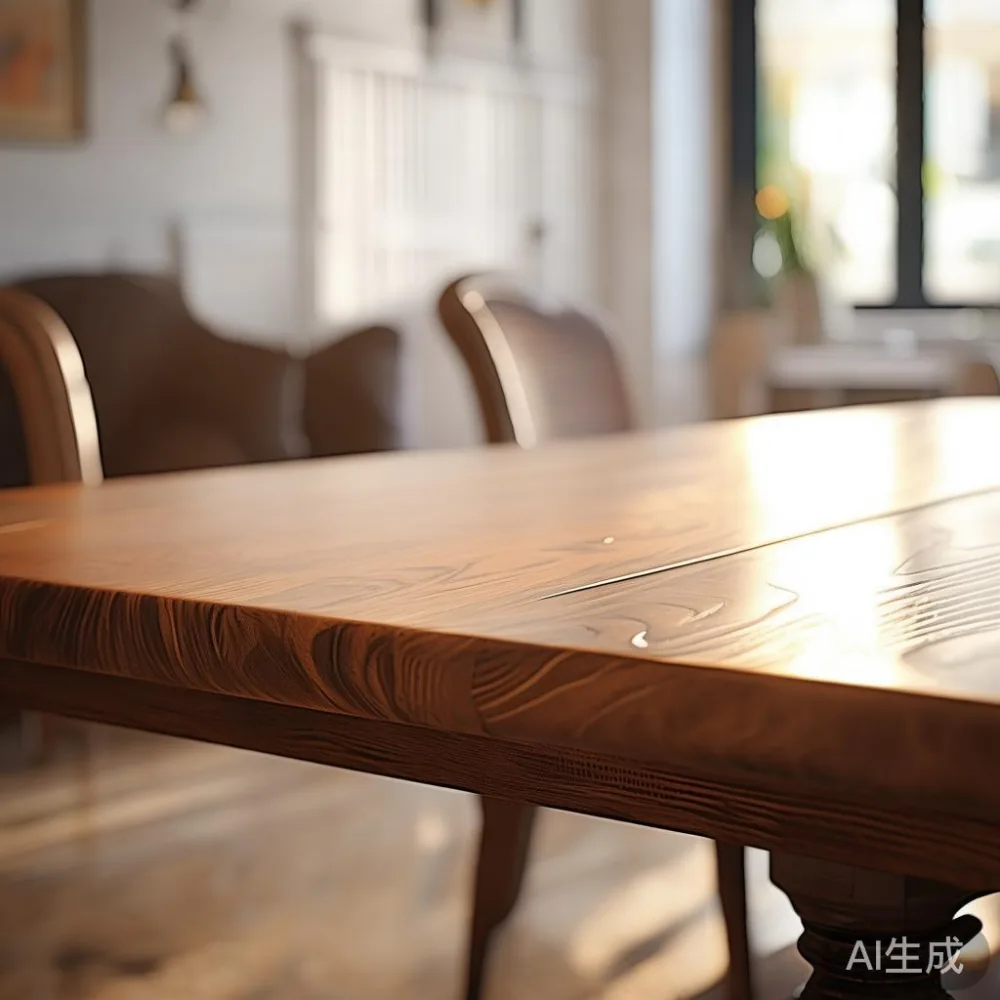
Why Humidity is a Big Deal for Wood in Singapore
Wood is a hygroscopic material, which is a scientific way of saying it absorbs and releases moisture from the air. In Singapore, the relative humidity often hovers between 70% and 90%, especially during the monsoon seasons from November to January. This constant exposure to moisture causes wood to expand. Conversely, on drier days, the wood contracts. This continuous cycle of expansion and contraction is the primary reason wood furniture can develop issues like warping, cracking, or gaps in joints.
Consider the typical Singaporean apartment. A 160cm x 90cm solid wood dining table can expand by as much as 1.5cm in width during the humid months. This might not sound like much, but when the table is placed against a wall or in a confined space like a kitchen nook, this expansion can cause the top to press against the wall, leading to stress on the table's structure. My colleague, Sarah, who lives in a Bedok HDB flat, experienced this firsthand. Last month, she noticed a new gap had appeared between her dining table and the console table behind it. A quick check with a measuring tape confirmed the table had swollen by nearly 2cm, a direct result of the humidity spike after a week of heavy rain.
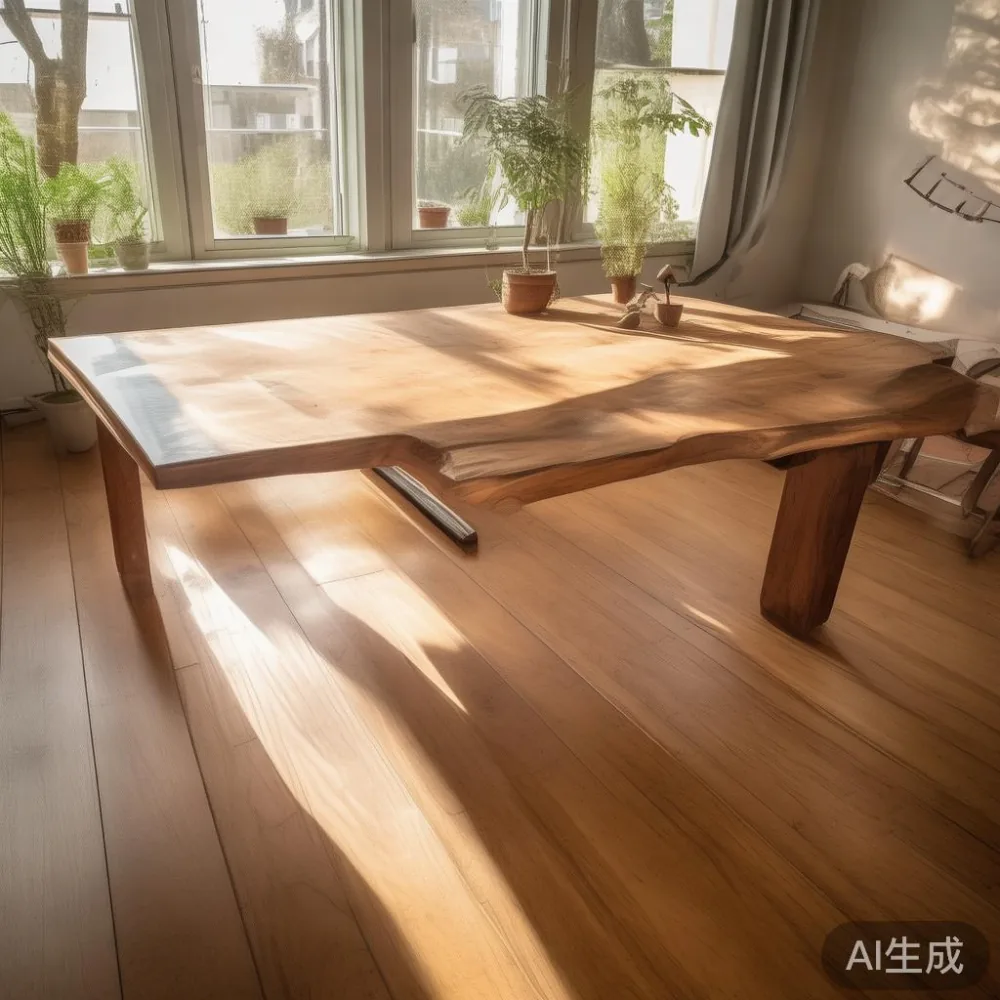
How High Humidity Affects Your Dining Table: The Science in Simple Terms
The effects of humidity on a dining table can be subtle at first, but over time, they become more pronounced. Here’s what to watch for:
1. Cupping and Warping: This is when the edges of the tabletop rise while the centre sags, or vice versa. It happens because the wood fibres on the surface absorb moisture faster than the fibres in the core. For a dining table, this means an uneven surface that can wobble and is unpleasant to use. A solid wood dining table made from a single, wide slab of wood is particularly susceptible to this type of movement.
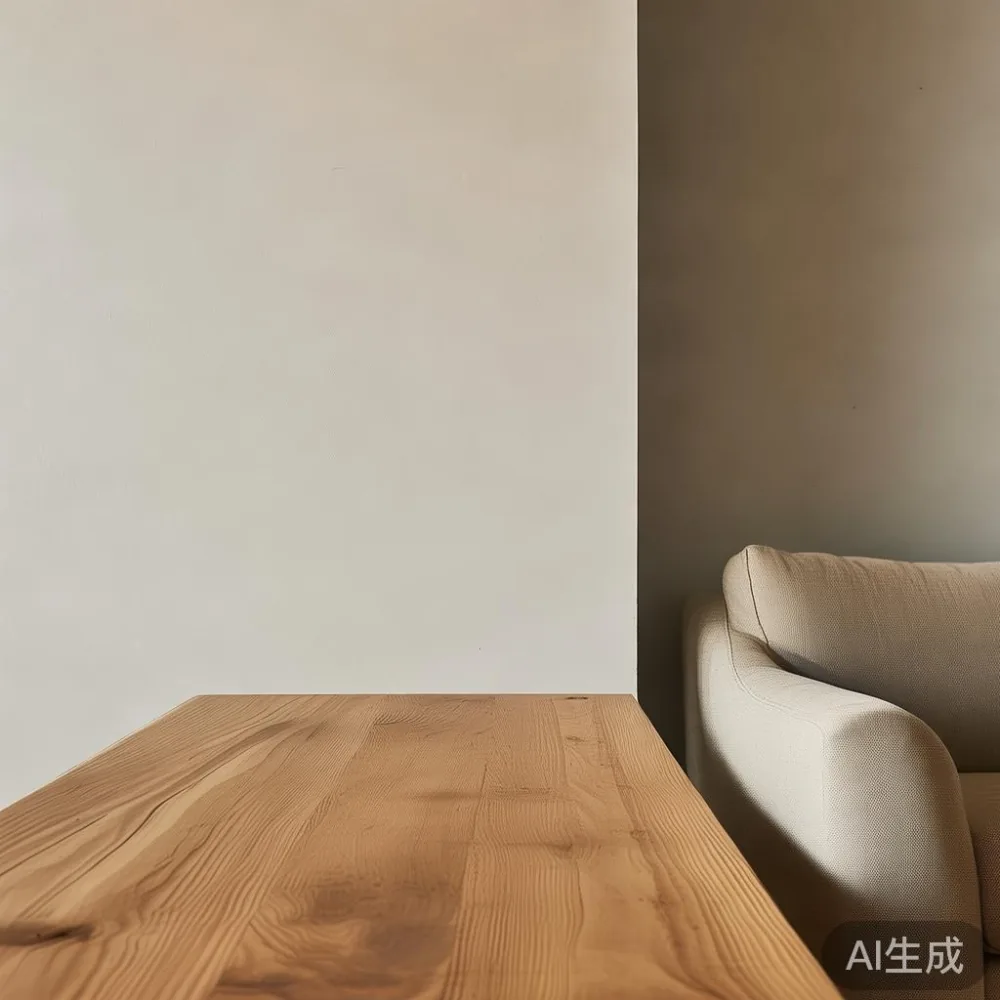
2. Cracking and Checking: As the wood expands beyond its capacity, the internal stress can cause it to split. These cracks, known as 'checks,' often start at the ends of the grain. A cracked tabletop not only looks unsightly but also compromises the table's structural integrity. Imagine placing a hot dish on a cracked surface; the damage could worsen significantly.
3. Joint Separation: This is a common issue with dining tables that have pedestal bases or legs attached with bolts or dowels. The wood in the tabletop expands at a different rate than the wood in the legs or base, causing the joints to loosen. You might notice a slight wobble or see small gaps forming around the leg attachments. This is a clear sign that the humidity is taking its toll on the furniture's construction.
Is Your Home's Location Making the Problem Worse?
The humidity level inside your home isn't uniform. Certain areas and specific types of housing can exacerbate the problem. For instance, ground-floor HDB units in older estates like Tampines, which were built with less emphasis on advanced climate control, can feel noticeably damper. The proximity to the ground and older ventilation systems can trap moisture.
Similarly, in high-rise condos in Punggol, while the air conditioning is generally effective, the large glass windows that offer stunning views can also create a 'greenhouse' effect, increasing the temperature and humidity in direct sunlight. A dining table placed next to such a window will experience more extreme temperature fluctuations, accelerating the wood's expansion and contraction cycle.
Even the design of your HDB flat plays a role. The standard corridor width in most HDBs is about 1.2 metres. If your dining table is placed in a narrow corridor or an entrance area with poor airflow, the stale, humid air has nowhere to go, concentrating its effects on the furniture.
How to Protect Your Solid Wood Dining Table in Singapore
Protecting your dining table from humidity doesn't mean you have to live in a perfectly controlled environment. It's about smart placement, regular maintenance, and choosing the right furniture from the start.
1. Strategic Placement is Key: Avoid placing your dining table in direct sunlight or right next to an air-conditioning vent. Both extremes are harmful. Sunlight can cause the wood to dry out too quickly, leading to cracking, while a blasting AC vent can create a cold, dry spot that causes uneven shrinkage. A spot in the dining area with indirect, ambient light is ideal.
2. Consistent Environment: Try to maintain a relatively stable humidity level in your home. Using a dehumidifier, especially during the wet months, can make a significant difference. Aim to keep the indoor humidity between 45% and 60%. Running your air conditioner consistently helps, as it naturally dehumidifies the air. A good air conditioner unit can reduce the humidity in a 25 square metre room by about 10-15% within a few hours.
3> The Power of Maintenance: Regular care is your best defence. A high-quality natural wood oil or wax creates a protective barrier that helps regulate moisture exchange. Applying it every 4-6 months, or as recommended by the manufacturer, nourishes the wood and shields it from the elements. For a dining table, this also protects against everyday spills and stains. Simply wipe up any liquid immediately. Dusting with a soft, dry cloth prevents the buildup of abrasive particles that can scratch the finish.
What to Look for When Buying a Dining Table in Singapore
When you're ready to buy a new dining table, understanding how it's constructed can make all the difference in how well it withstands our climate. The way the wood is joined and finished is critical.
Look for Stabilised Wood: Some manufacturers use a process called 'stabilisation' where the wood is treated to reduce its hygroscopic properties. This makes it less reactive to humidity changes, a feature you might find in higher-end pieces from brands like MIDHILL.
Check the Construction: A well-made dining table will use techniques that accommodate wood movement. Look for tables with 'floating' tops, where the tabletop is attached to the base with clips or brackets that allow it to expand and shift without putting stress on the frame. Tables made with solid wood planks joined with 'breadboard ends' are also designed to move. The centre panel floats between the two fixed ends, which prevents the long planks from warping.
Consider the Wood Type: While many beautiful woods are used for furniture, some are more stable in humid climates than others. Teak, for example, is naturally rich in oils that make it highly resistant to moisture. Mango wood is another popular choice known for its stability and attractive grain. When you're thinking about where to buy dining table from MIDHILL, asking about the specific wood species and its stability is a smart question.
What About the Warranty? Understanding Your Protection
A warranty is a reflection of a manufacturer's confidence in their product's ability to withstand environmental stresses. For a solid wood dining table in Singapore, a warranty that explicitly covers issues related to humidity is a major advantage. A 10-year structural warranty, for example, indicates that the company has built the furniture to last, using techniques and materials that can handle the local climate. This long-term protection gives you peace of mind, knowing that your investment is secure against the very real challenges posed by our weather. It’s a sign of quality that goes beyond just the initial aesthetic appeal.
Can I Return a Table That Doesn't Suit My Home's Humidity?
Yes, most reputable retailers offer a return window. A 14-day return policy is standard, giving you time to assess the new piece in your specific home environment. This is particularly useful if you notice unexpected movement or a finish that doesn't quite hold up after a week or so. However, it's important to note that some degree of natural movement is expected in solid wood. The return policy is typically for manufacturing defects or if the item is simply not what you expected, not for minor, natural changes in the wood's dimensions. Always check the terms and conditions to understand what is covered.
When considering a purchase, especially for larger items like a dining table, it's also wise to factor in delivery costs. Many sellers offer free shipping for orders over a certain amount, which can be a significant saving. For instance, free shipping over SGD 350 is a common offer that can make a high-quality dining table a more accessible purchase. Delivery times can vary, but you should expect it to take between 7 and 14 business days for the item to arrive at your doorstep in Singapore.
Final Thoughts on Choosing the Right Dining Table
Choosing a dining table for your Singapore home is a decision that balances aesthetics, function, and practicality. The high humidity is a constant factor, but it doesn't have to dictate your choice. By understanding how wood behaves in our climate and selecting a piece that is well-constructed and designed to handle these conditions, you can enjoy a beautiful, solid wood dining table for a lifetime. The key is to be an informed buyer, looking beyond the immediate style to consider the long-term care and durability of the furniture. A well-chosen table will not only withstand the test of time and humidity but will also become a cherished part of your home's story.