The Art of the Spacious Apartment: Styling Small Singapore Homes Without the Crowded Feel
In a city where space is a premium commodity, residents of Singapore's HDB flats and condominiums, especially in dense estates like Tampines, Bedok, and Punggol, constantly face the challenge of making their homes feel open and airy rather than cramped. The typical Singaporean living room might measure a modest 300cm by 400cm, and working through a 120cm-wide corridor with a new piece of furniture can feel like a puzzle. But creating a sense of space is less about the physical square metres and more about intelligent design and mindful choices. It’s about selecting furniture that works with your home’s architecture, not against it, and using visual tricks to guide the eye. This guide will walk you through practical, concrete strategies to style your small apartment, ensuring every piece of furniture, from a dining table to a nightstand, contributes to a harmonious and uncluttered environment.
Why Does My Small Apartment Feel So Crowded?
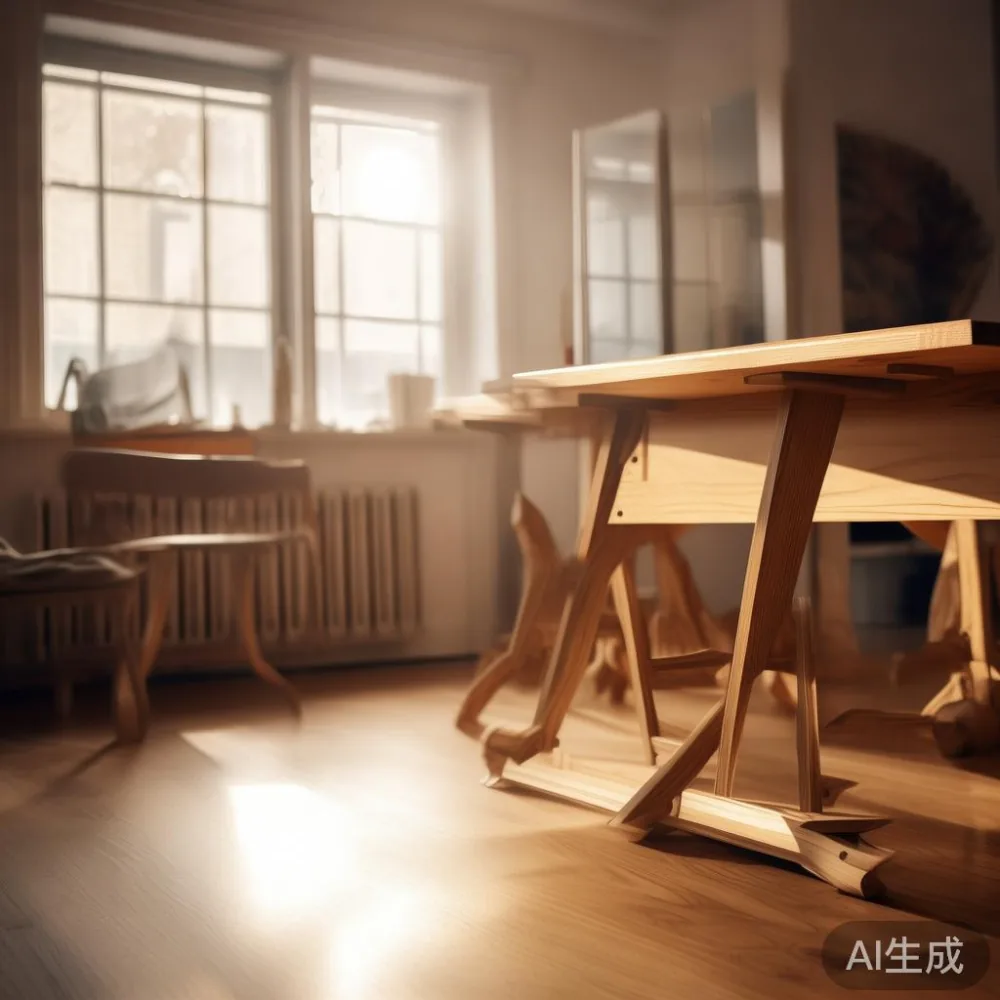
The feeling of crowding in a small apartment isn't just an illusion; it's often a direct result of a few common mistakes. One of the primary culprits is visual noise. This happens when there are too many small, disparate items competing for attention. A collection of 15 small photo frames on a wall, three different types of throw pillows on a sofa, and a cluttered coffee table can make a room feel chaotic and smaller than it is. Another issue is a lack of clear pathways. In a Singapore HDB flat, the main corridor or hallway is often the only thoroughfare between the living room and bedrooms. If you place a bulky console table or a shoe cabinet that protrudes by 40cm into this 120cm-wide walkway, you immediately constrict the space. The path becomes narrow, and the entire area feels compressed. Finally, using furniture that is too large for the scale of the room is a major issue. A dining table that is 180cm long in a dining area that is only 220cm long will dominate the room, leaving no room for chairs to be pulled out comfortably. Understanding these root causes is the first step toward creating a more breathable and spacious-feeling home.
How Can I Choose a Dining Table That Doesn't Overwhelm My Small Dining Area?
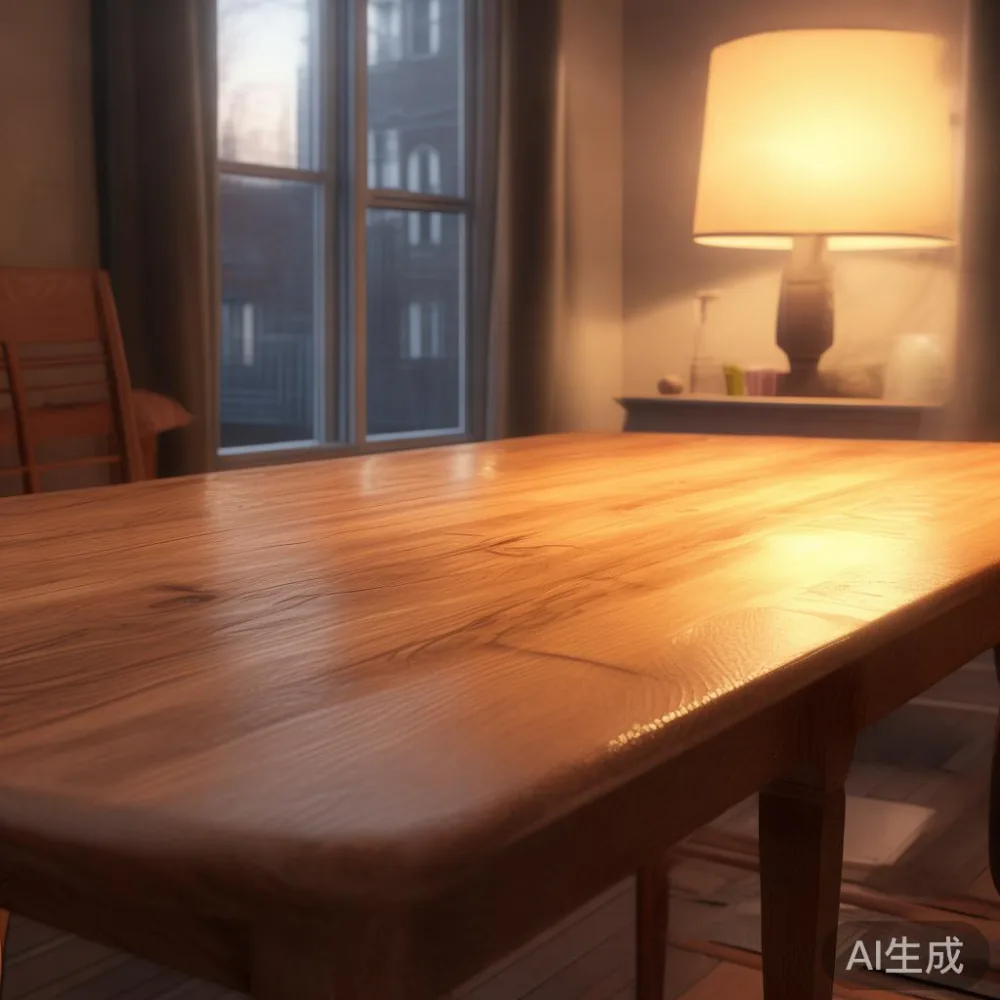
The dining area is often the heart of a home, but in a Singaporean apartment, it's frequently a multi-functional space—a nook in the living room or a small room off the kitchen. Choosing the right dining table is therefore a critical decision that can either liberate or constrict the space. The first rule is to measure twice. Before you even look at catalogues, measure your available floor space. A good rule of thumb is to leave at least 70cm of clearance around the dining table on all sides. This allows for comfortable chair movement and ensures people aren't bumping into walls or other furniture. For a typical 4-person dining setup in a small apartment, a round table with a diameter of 120cm is often a better choice than a 140cm square table. A round table has no sharp corners, which can make a space feel less boxy and creates a more intimate flow. If you prefer a rectangular dining table, opt for one with drop-leaf sides. A 120cm table that can be extended to 160cm is incredibly versatile, allowing you to use it at its smaller size for daily meals and expand it only when you have guests. The material also matters. A solid wood dining table in a lighter finish like oak or ash will feel less heavy than a dark walnut one. Finally, consider the chairs. Sleek chairs with no arms or transparent acrylic chairs take up less visual space than bulky, upholstered ones, making the entire dining area feel more open.
Smart Furniture Choices for Every Room
Every piece of furniture in a small apartment should earn its place by offering both function and a sense of openness. Let's break it down by room. For the living room, a sofa is the largest piece of furniture, so choose wisely. A low-profile, solid wood sofa with slim, tapered legs is ideal. The legs raise the sofa off the floor, creating an illusion of more space underneath. If you're wondering about how to style American sofa in room, the key is to balance its generous proportions with plenty of negative space around it. Avoid oversized, overstuffed models that swallow up the room. Instead, opt for a streamlined design in a light, neutral fabric. For storage, a media console with legs that are at least 15cm high is better than a bulky, wall-hung unit that makes the floor feel heavy. In the bedroom, a bed frame with built-in drawers is a fantastic space-saver. A platform bed with a low profile and clean lines will make the ceiling feel higher. A question many ask: is French bed worth it? A classic French provincial for bedroom can be beautiful, but its ornate details and often dark finishes can make a small room feel smaller. A more modern interpretation of French provincial style, perhaps with simpler lines and a lighter paint, can offer the elegance without the visual weight. For a nightstand, choose a narrow, tall one rather than a wide, low one. A 40cm wide nightstand is sufficient and leaves more floor space. In the hallway, a console table that is no deeper than 30cm provides a surface for keys and mail without protruding too far into the walking path. A full-length mirror hung on the wall opposite a window will reflect light and the view, effectively doubling the sense of space in that area.
Using Colour, Light, and Texture to Create an Illusion of Space
Once you have the right furniture, you can enhance the sense of space with colour, light, and texture. The colour palette of your walls and large furniture pieces has a profound effect. Light colours, such as soft whites, light greys, and pale beiges, reflect light, making a room feel brighter and more expansive. Painting the ceiling a shade lighter than the walls can also create an impression of height. Dark colours, on the other hand, absorb light and can make a room feel cave-like. If you love dark colours, use them sparingly as an accent on a single wall or in small doses through accessories. Light is your best friend. Maximize natural light by keeping window treatments simple. Sheer, light-filtering curtains allow sunlight to flood the room while providing privacy. In the evenings, ensure you have layered lighting: ambient light from ceiling fixtures, task light for reading or working, and accent light to highlight architectural features or artwork. This creates a warm, welcoming atmosphere without relying on a single, harsh overhead light. Texture adds depth and interest without adding visual clutter. A plush, high-pile rug can define a seating area, but a flat-weave or jute rug has a lower profile and feels less heavy. Mixing textures—like a smooth leather chair with a chunky knit throw and a linen sofa—adds visual interest and a sense of luxury without cluttering the space.
Real-Life Transformation: A Tampines Flat's Journey
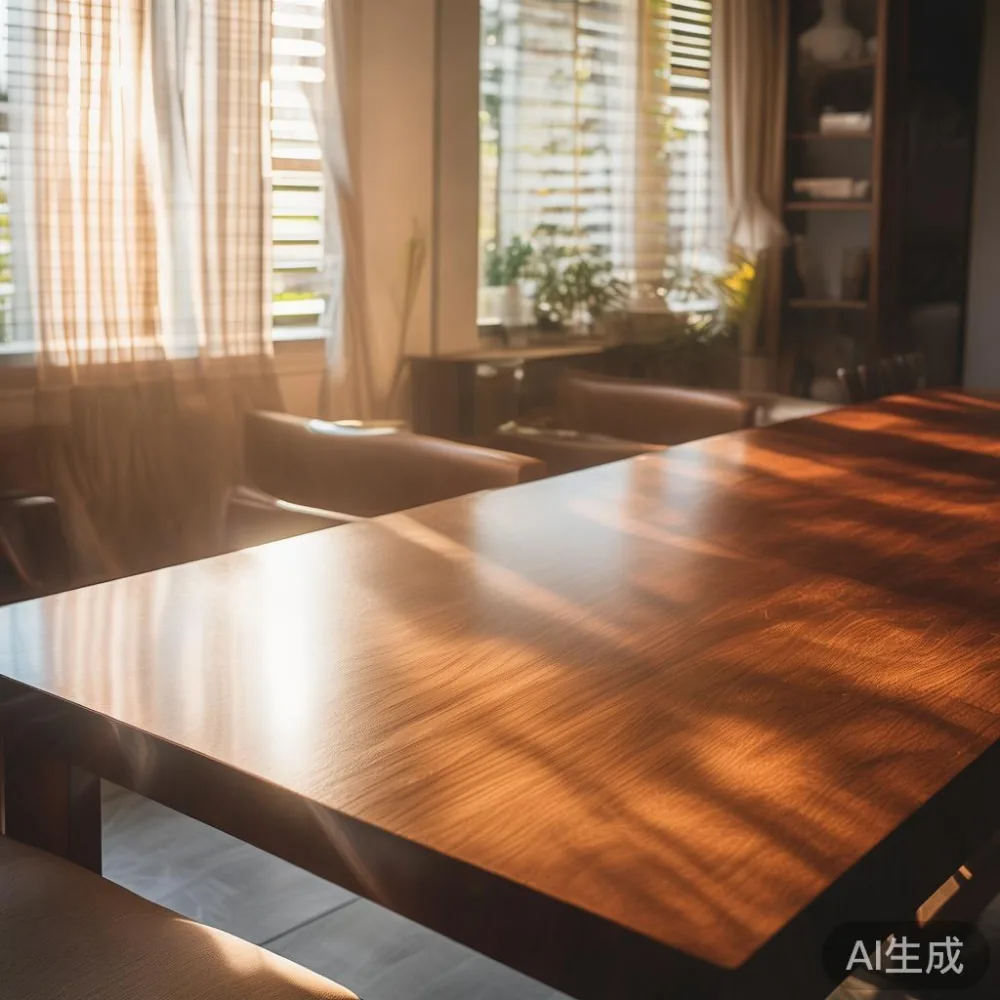
Seeing these principles in action can be incredibly inspiring. Last month, I visited a client's 4-room HDB flat in Tampines to help them with a styling dilemma. The living room was a compact 350cm by 400cm, and they had recently purchased a large, dark brown leather sofa that felt completely overwhelming. The room was dark, and the sofa dominated the space, leaving only a narrow 80cm path to the kitchen. My colleague had recommended a lighter, more streamlined option, but they were attached to the idea of a large sofa. We decided to work with what they had and make some key adjustments. First, we painted the walls a soft, warm white to brighten the space. Then, we replaced the heavy dark coffee table with a glass-top marble table on slim metal legs. This single change made a huge difference; the table felt almost invisible, opening up the floor plan. We moved the bulky TV console and replaced it with a low, floating wooden shelf unit, which created a sense of airiness. Finally, we added two large, round mirrors on adjacent walls to bounce light around. The result was a complete transformation. The dark sofa no longer felt oppressive; instead, it became a rich anchor in a now-bright and airy room. The client was thrilled, noting how much more spacious and relaxing the space felt. This experience highlighted that even with a challenging piece of furniture, the right complementary choices can create a harmonious and uncluttered environment.
Final Thoughts on Living Large in a Small Space
Styling a small apartment in Singapore is not about having the most or the biggest furniture. It’s about intentionality. It’s about selecting pieces that are proportional to your space, that serve a clear purpose, and that contribute to a calm, uncluttered visual environment. By focusing on clean lines, light colours, smart storage, and strategic furniture placement, you can transform even the most compact HDB flat or condo into a home that feels open, airy, and luxurious. The goal is to create a space where you can breathe, relax, and feel at ease, proving that style and space are not mutually exclusive.