Preserving the Shine: A Comprehensive Guide to Caring for Your Lacquered Dining Table in Singapore's Tropical Climate
In the vibrant heart of Singapore, where the air is thick with the scent of frangipani and the climate oscillates between sweltering humidity and sudden downpours, our homes serve as sanctuaries. For many living in HDB flats across Tampines, Bedok, and Punggol, or in the more spacious condos of the city-state, the dining table is more than a functional piece; it's the central hub for family gatherings, festive celebrations, and quiet weekday meals. A well-chosen dining table, such as a solid wood piece with a flawless lacquered finish, can anchor a dining room with understated elegance. However, the very conditions that make Singapore so lush and green can pose a significant threat to the integrity of that beautiful finish. The high humidity, which often hovers between 75% and 90%, and the intense UV rays from the equatorial sun can wreak havoc on unprotected wood and its delicate lacquer. This guide provides a detailed, practical approach to caring for your lacquered dining table, ensuring it remains a stunning centerpiece for years to come, regardless of the weather outside.
Understanding the Lacquered Surface: A Marriage of Beauty and Protection
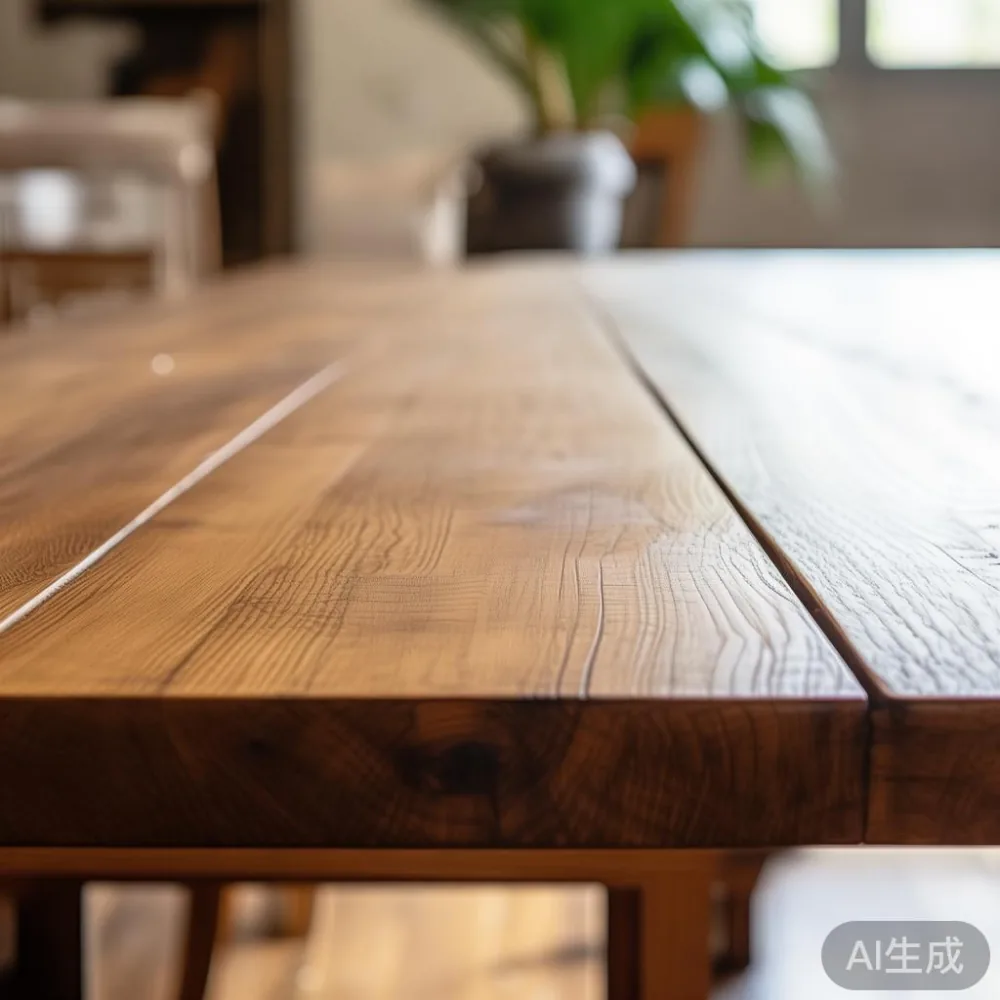
A lacquered surface is not merely a coat of paint; it's a multi-layered, hardened film applied over the wood. This process involves applying several thin layers of a clear, high-gloss or satin-finish lacquer, which is then cured under heat or UV light. The result is a surface that is not only exceptionally smooth and reflective but also highly resistant to minor scratches, stains, and moisture. This makes it a popular choice for high-end furniture like a designer Italian light luxury dining table or a more modern post-modern light luxury dining table. The lacquer acts as a protective barrier, shielding the solid wood beneath from the elements of daily life. When you invest in a solid wood dining table from a reputable maker like MIDHILL, a Foshan-based company established in 2008, you are investing in this sophisticated finish. A typical dining table from their collection might measure 160 cm in length, 90 cm in width, and 75 cm in height, with a substantial frame constructed from 18mm thick solid acacia wood, weighing approximately 65 kg. The price for such a piece can range from SGD 1,500 to SGD 3,000, reflecting the quality of both the materials and the meticulous lacquering process.
Why Singapore's Climate is a Unique Challenge for Lacquered Furniture
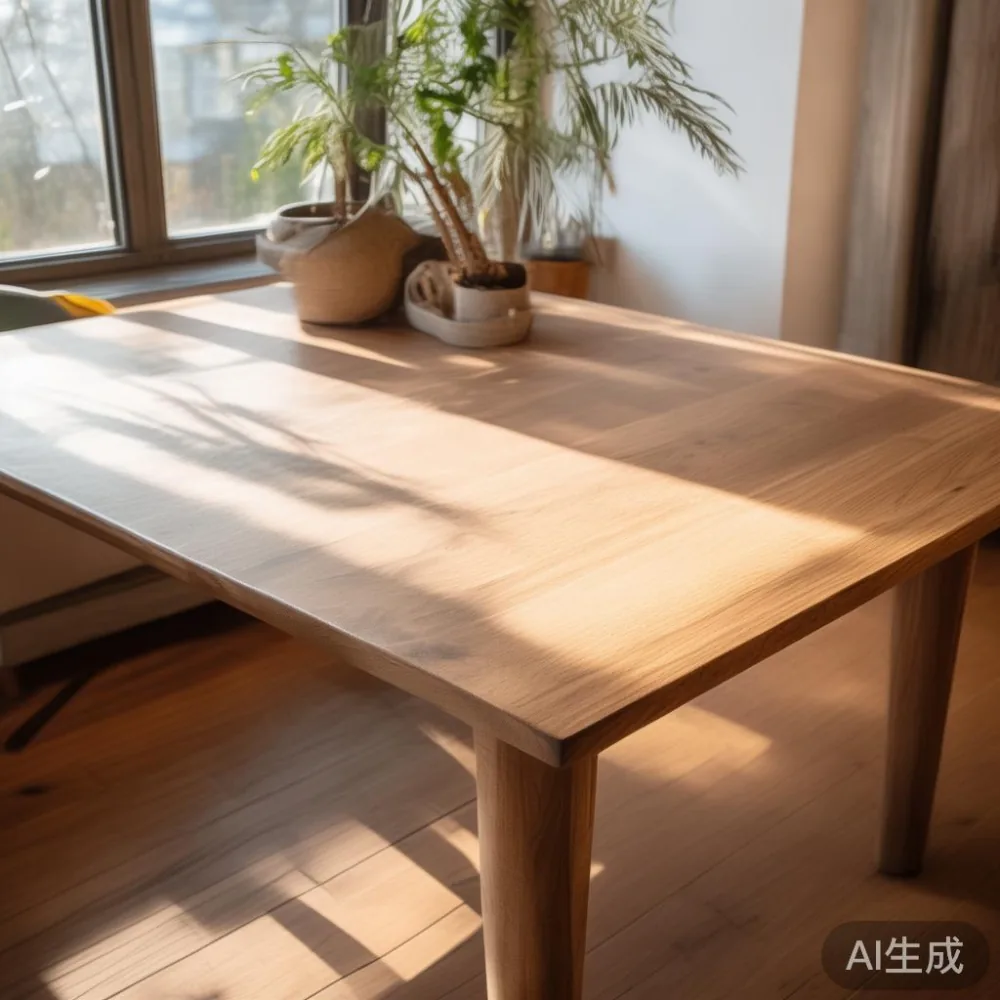
The tropical climate of Singapore presents a dual challenge for wooden furniture. The first is humidity. Wood is a hygroscopic material, meaning it absorbs and releases moisture from the air. In Singapore's consistently high humidity, the wood cells absorb this moisture, causing the entire table to expand. This expansion can place immense stress on the rigid lacquer finish. Over time, this repeated cycle of swelling and contracting can lead to small, almost invisible cracks in the lacquer, which can eventually widen, allowing moisture to penetrate the wood itself. The second challenge is sunlight. The equatorial sun is intense. Direct exposure, even for a few hours a day, can cause the lacquer to fade, losing its vibrant sheen and turning a dull yellow or white. More severely, the heat from the sun can dry out the wood, causing it to contract rapidly. This rapid drying can create internal stresses, leading to warping, cracking, or even the lacquer peeling away from the wood substrate. Understanding these two primary threats—humidity and UV radiation—is the first step toward effective care for your dining table.
Real-Life Experience: A Lesson from a Condo in Punggol
Just last month, I visited a colleague living in a modern condo in Punggol. He had recently purchased a beautiful American light luxury dining table, a substantial piece with a deep, reflective black lacquer finish. He was proud of it but visibly anxious about its upkeep. He had noticed a few faint white marks near the base, which he suspected were water rings, and was worried about the table's longevity in his apartment, which faces west and gets direct afternoon sun. He had tried wiping the marks with a general-purpose household cleaner, which only seemed to make them worse. I spent an afternoon with him, inspecting the table and sharing some practical advice. We identified the marks as indeed being water stains that had penetrated the weakened lacquer. I showed him the proper way to clean and protect the surface, and we moved the table to a different spot in the dining area, away from the direct sunbeam that streamed in through the floor-to-ceiling windows. He was relieved to learn that with the right care, the table could be restored and preserved. This experience highlighted that even with the best intentions, a lack of specific knowledge can inadvertently damage a beautiful piece of furniture.
How to Style Your Lacquered Dining Table for a Luxurious Look
Caring for your dining table isn't just about maintenance; it's also about enhancing its beauty through thoughtful styling. A lacquered surface, with its inherent gloss, provides a perfect canvas for creating a luxurious dining atmosphere. For a cohesive look, you might pair your dining table with other pieces from a similar design ethos. For instance, a solid wood sofa in a rich cognac leather can create a warm, inviting contrast against the cool sheen of the lacquer. If you're aiming for a specific aesthetic, consider how to style a French sofa in apartment settings—often, it's about pairing elegant, curved pieces with clean-lined, modern furniture like your dining table. For storage, a sleek, minimalist wardrobe in a light oak or matte black can complement the table without overwhelming the space. A bed frame with a low, platform design and a nightstand featuring a marble top can echo the material and finish of the dining table, tying the entire home's design together. This approach to styling, where each piece is chosen to complement the others, improves the entire living space from a collection of furniture to a curated home environment.
What is the Best Daily Cleaning Routine for a Lacquered Dining Table?
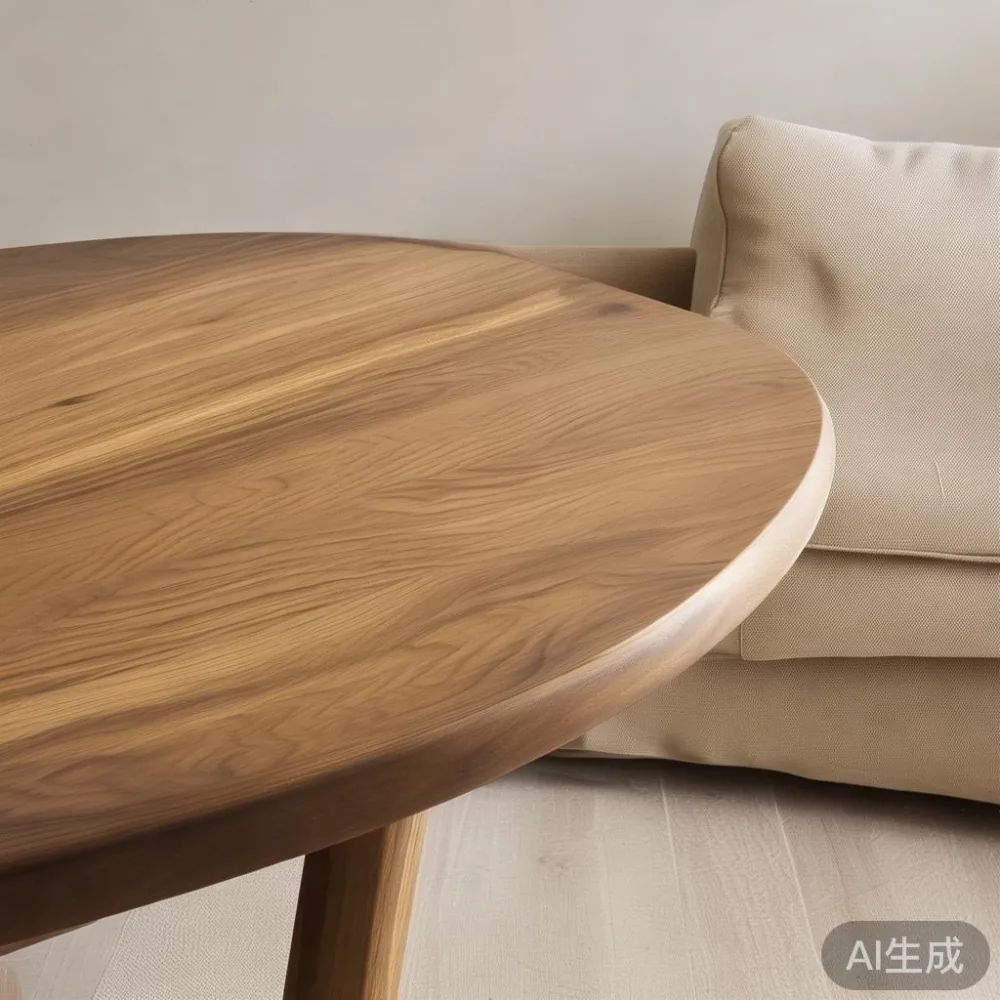
Establishing a simple, effective daily routine is the cornerstone of preserving your lacquered dining table. The goal is to remove dust and debris before they can cause scratches and to address any spills immediately. Here is a step-by-step guide:
- Dust with a Microfiber Cloth: At least once a day, gently wipe the surface of your dining table with a clean, soft, lint-free microfiber cloth. Microfiber is excellent because its fine fibers trap dust particles effectively without scratching the surface. Always move the cloth in the direction of the wood grain, if it's visible, or in broad, smooth strokes. A standard pack of 3 microfiber cloths costs around SGD 10 to SGD 15.
- Use a Mild Cleaning Solution: For a deeper clean, or to remove fingerprints, use a solution of one part mild, pH-neutral dish soap to ten parts distilled water. Distilled water is preferred as it lacks the minerals found in tap water, which can leave behind a filmy residue. Mix the solution in a spray bottle. Lightly mist the cloth, not the table, with the solution and then wipe the surface. Never spray cleaner directly onto the lacquer.
- Dry Immediately: After cleaning with the damp cloth, immediately follow up with a dry, clean microfiber cloth to wipe away any moisture. This prevents water spots and ensures the surface is completely dry.
- Buff to a Shine: For that signature high-gloss finish, use a separate, clean microfiber cloth dedicated solely to buffing. After the table is dry, buff the surface in small, circular motions. This final step brings out the deep, reflective shine of the lacquer.
It is important to avoid common cleaning mistakes. Never use feather dusters, as their quills can scratch the surface. Avoid abrasive sponges, steel wool, or any cleaning products containing ammonia, bleach, or silicone, as these can strip the lacquer of its protective properties and leave a dull, cloudy finish.
Protecting Your Investment: Long-Term Care Strategies
Beyond daily cleaning, several long-term strategies are necessary to protect your lacquered dining table from the unique challenges of Singapore's climate.
Managing Humidity
As mentioned, humidity is the primary enemy of wood furniture. In Singapore, it's impractical and often uncomfortable to run an air conditioner 24/7. A more practical solution is to use a dehumidifier. Running a dehumidifier in the dining room or adjacent living area can help maintain a humidity level between 45% and 60%, which is ideal for wood. A small-capacity (20-30 pint) dehumidifier suitable for a typical Singaporean HDB flat or condo bedroom costs between SGD 200 and SGD 350. Place it on a sturdy surface away from the dining table itself. You can also use silica gel desiccant packs, which are inexpensive (a pack of 10 costs around SGD 5) and can be placed discreetly in a drawer or cabinet near the table to absorb excess local moisture.
Shielding from Sunlight
UV damage is irreversible. The best defense is prevention. Position your dining table away from windows that receive direct, prolonged sunlight. If this is not possible, install high-quality, UV-blocking curtains or blinds. These can be drawn during the peak sun hours, typically from 10 AM to 4 PM. A good pair of blackout curtains for a standard window (approximately 120 cm wide) can cost from SGD 80 to SGD 200. For an added layer of protection, consider applying a UV-inhibiting furniture polish or wax specifically designed for lacquered surfaces. These products create a sacrificial layer that absorbs the UV rays before they can reach the lacquer itself. A 500ml bottle of such a polish costs around SGD 30 to SGD 50.
Using Protective Accessories
Everyday use will inevitably lead to contact with hot dishes, cold glasses, and sharp cutlery. To prevent damage, always use coasters under glasses and mugs. Opt for cork-backed or felt coasters, as they are less likely to scratch the surface. A set of 6 cork coasters costs about SGD 20. For hot dishes or serving platters, always use a trivet or a heat-resistant placemat. Direct contact with a hot plate can create a permanent white ring in the lacquer by causing the finish to blister. A simple wooden or silicone trivet costs between SGD 15 and SGD 30.
Common Mistakes That Can Damage Your Lacquered Dining Table
Even with the best intentions, it's easy to make mistakes that can harm your dining table. Being aware of these common pitfalls can help you avoid costly damage.
| Mistake | Consequences |
|---|---|
| Using harsh chemical cleaners or abrasive scrubbing pads. | Strips the protective lacquer layer, causing a loss of shine, cloudiness, and making the surface more susceptible to damage. |
| Placing hot items directly on the table surface without a trivet. | Creates heat rings or blisters in the lacquer, which are permanent and difficult to repair. |
| Ignoring humidity control in the home environment. | Leads to wood swelling and contracting, which can cause the lacquer to crack, peel, or warp over time. |
| Leaving spills, especially water or alcohol, to dry on their own. | Can penetrate the finish, causing permanent white stains or discoloration. |
| Moving the table by dragging it across the floor. | Scratches and gouges the floor and can also damage the table's legs or base. |
Where to Find a Quality Lacquered Dining Table in Singapore
When searching for a new dining table, it's important to choose a brand that understands the demands of the local climate and stands behind its products. MIDHILL, with its 15 years of experience exporting to over 15 countries, offers a range of solid wood dining tables finished with high-quality lacquer. They provide a 10-year structural warranty, giving you peace of mind that the table's frame is built to last. Also, their lifetime refinishing service means that if the lacquer ever becomes damaged over decades of use, they can restore it to its original glory. For those concerned about logistics, MIDHILL offers free shipping for orders over SGD 350, which covers most of their dining table selections. They also have a 14-day return policy, allowing you to inspect the piece in your home. Their website, midhill.co, features a wide selection of furniture, including top 10 American furniture styles and top 10 Coastal furniture designs, alongside their signature solid wood pieces. You can explore options like a solid wood sofa for your living area or a post-modern light luxury wardrobe for your bedroom, all while knowing the same quality and care have gone into their dining tables. For a guest room, an American for guest room bed frame can create a welcoming and sophisticated atmosphere for visitors.
Maintaining the Beauty: A Final Thought
Owning a lacquered dining table in Singapore is a commitment to beauty and craftsmanship. The tropical climate demands vigilance, but the rewards are immense. By understanding the nature of the lacquer, respecting the power of the sun and humidity, and adopting a simple, consistent care routine, you can ensure that your dining table remains a stunning centerpiece of your home. It becomes a piece of functional art, reflecting light and hosting memories for years to come. Whether you're hosting a large family dinner in a Bedok HDB or enjoying a quiet meal in a Punggol condo, a well-cared-for dining table is the foundation of a beautiful home.