Dining Table Warranty Decoder: Protect Your Singaporean Home
Buying a solid wood dining table in Singapore is rarely just about the price. A 180 cm table may need to pass through a HDB lift, turn along a corridor, fit around a sharp corner and still leave enough space for chairs to be used. A warranty can feel reassuring until a scratch, joint movement or moisture issue appears and the fine print reveals a surprise exclusion.

My colleague and I tested this process last month while comparing warranty clauses for MIDHILL dining tables. We checked the wording against delivery records, photographed packaging details and called the supplier with written questions. The exercise showed that “10 years” can mean very different things depending on what is covered, who bears transport costs and how a claim must be handled.
This guide focuses on the dining table, while showing how the same reading method applies to pieces such as a bed frame, wardrobe, nightstand and marble table. It also places the decision in the local context of Tampines, Bedok and Punggol homes, where lift dimensions, corridor turns and tropical humidity matter as much as the furniture itself.
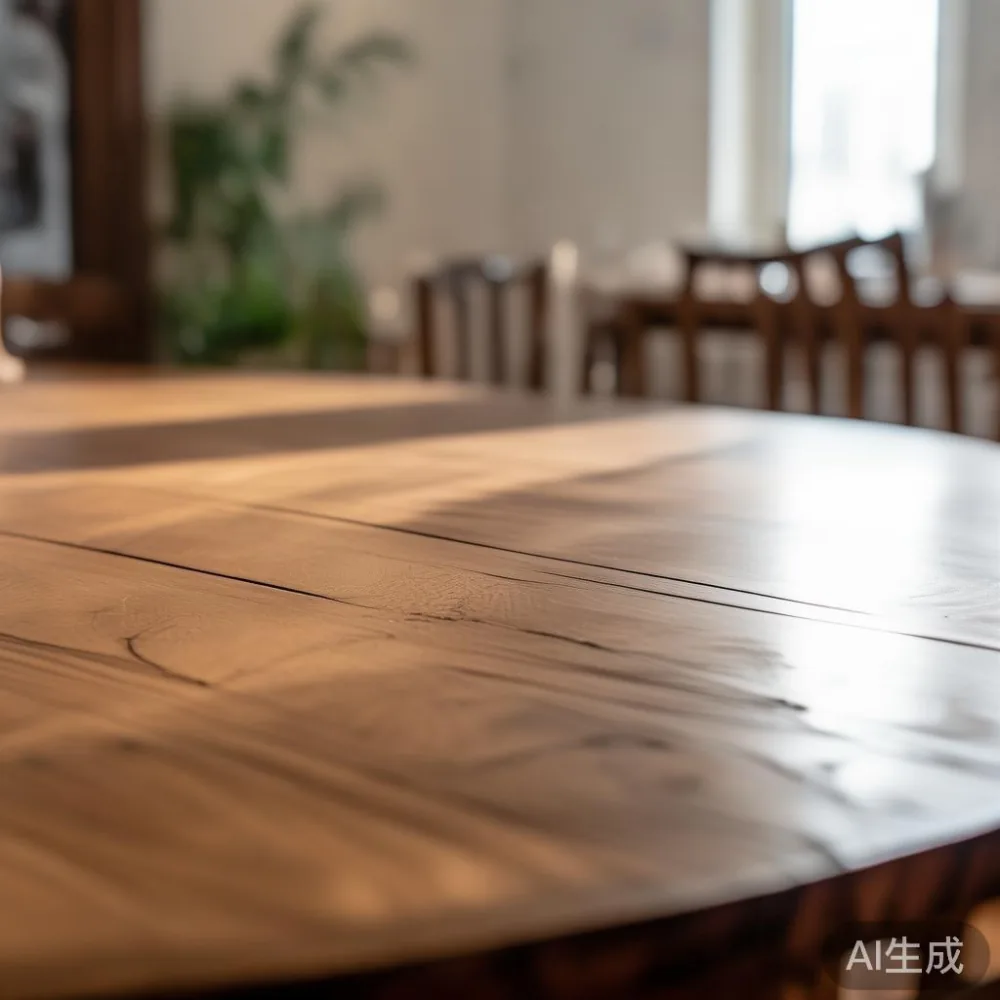
What does a 10-year dining table warranty actually cover?
A structural warranty is not automatically a promise to replace every damaged component. It may cover specific failures in the table frame, joints or support hardware for 10 years, while finish problems, movement caused by humidity and accidental damage may be handled differently. MIDHILL offers a 10-year structural warranty and lifetime refinishing, but a buyer should still ask which service applies to which part.
Read the warranty as a contract rather than a slogan. Identify four things: the covered parts, the covered risks, the remedy and the claim process. “Structural” commonly points to the load-bearing construction of a dining table. “Finish” refers to the visible coating, such as lacquer, oil or another surface treatment. A lacquer scratch may not be structural, yet it could qualify for refinishing.
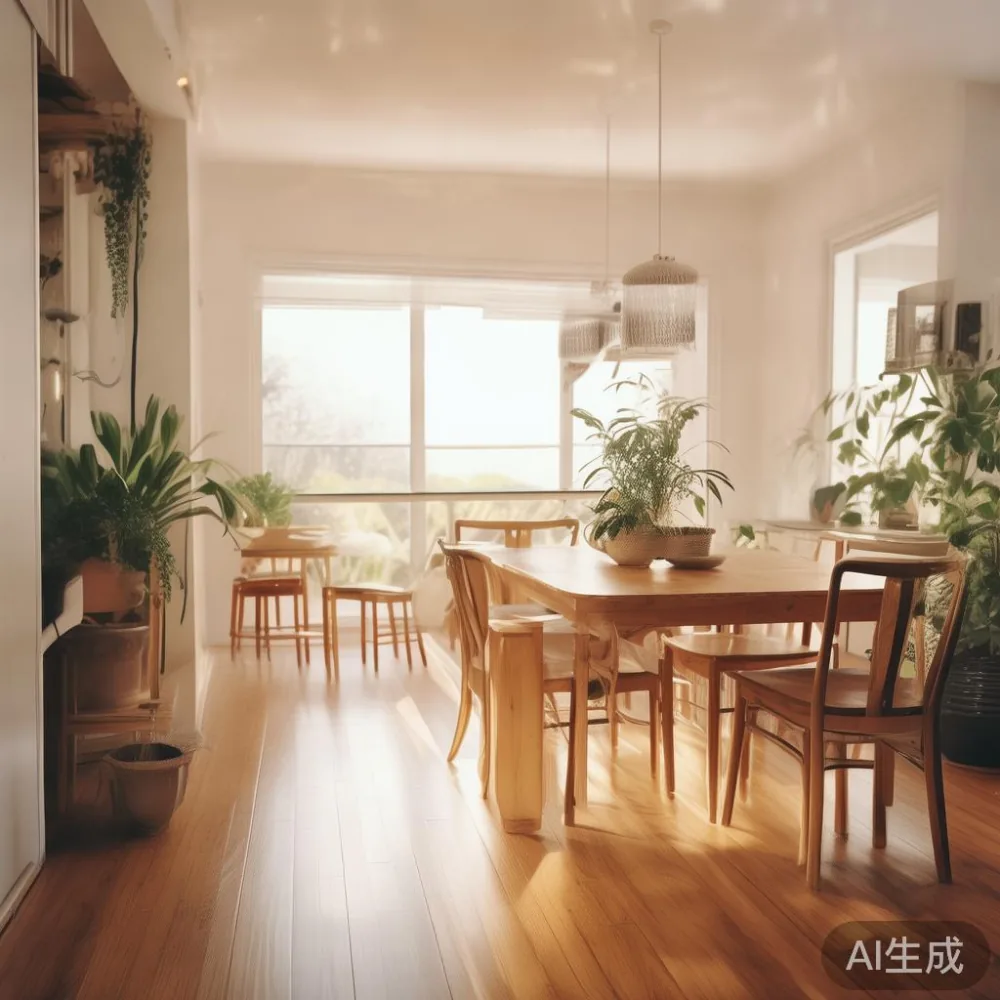
Look for exclusions involving standing water, heat exposure, unapproved cleaning products, floor unevenness and improper assembly. Check whether the warranty transfers if you sell the home or move the table. The term should also state whether coverage applies to commercial use, rental property or only normal household use.
Ask how a claim is assessed. Does the company require photographs, the original order number and a description of the defect? Is an inspection needed? A clear process with a response target—such as 5 working days for acknowledgement—is more useful than a broad promise with no procedure.
Is a lifetime refinishing promise different from a lifetime warranty?
Yes. Lifetime refinishing generally means the manufacturer will address refinishing work under its stated policy during the product’s useful life. That is narrower than a lifetime warranty covering every form of failure. The wording should specify whether refinishing is free, discounted or subject to a service charge, and whether the company supplies refinishing, transportation or both.
For a dining table, ask whether the refinishing service includes the tabletop only. Edges, legs, drawers, joints and hardware may be separate line items. Also check the treatment of colour changes, stains and water marks. Two tables can look alike but have different stains, so the representative should explain how the original finish will be matched.
My colleague found a useful test: she requested the warranty document before discussing colour samples. The supplier then explained the actual table construction, available edge profiles and finish types against the document. That approach exposed an ambiguity about chipped edges before an order was placed. It was more productive than asking only whether “warranty is included”, because the answer did not say what happened after delivery.
Keep the written confirmation. A verbal assurance is difficult to enforce later. Save the quotation, floor plan, warranty terms and receipt in 1 PDF file. If the dining table is customized, record the dimensions, wood species, finish and approval date too.
How wide should the delivery route be for a Singapore HDB flat?
Measure the route before choosing a large dining table. HDB blocks vary, so do not assume one block matches another. Record the flat entrance width, lift car dimensions, lift door width, corridor width, staircase width, turning space and the longest fixed obstacle. At least 2 adults should be allowed for carrying, even if the table has legs that detach.
A common lift door might measure 90 cm, while an internal car might be 110 cm wide and 140 cm deep. Those figures are examples, not guarantees for every building. A 180 cm dining table top may fit diagonally, but a rectangular top does not bend; its corners and rigid frame must clear the route. A 220 cm top creates a much tighter problem at a landing.
For corridor turns, compare the table’s diagonal with the available turning geometry rather than only its width. At a 90-degree corner, a 160 cm tabletop may turn more easily than a 150 cm top with fixed thick aprons. Ask the supplier whether the top separates from the base. A dining table with removable legs and a knock-down frame usually offers more flexibility.
In Punggol and Bedok, also inspect the route from the service lift lobby to the flat door. Fire doors, ramps, thresholds and pipe boxes can reduce usable space. In Tampines, older blocks and newer blocks may have different corridor layouts, so measure the actual home rather than relying on block-level assumptions.
Delivery terms should include the number of porters, lift booking, assembly, packaging removal and responsibility for damage in transit. Ask for a delivery window measured in days, such as 7 to 14 days after dispatch. Confirm whether failed delivery caused by access issues is charged as a redelivery fee and how long the customer has to provide accurate measurements.
Will Singapore humidity cause wood movement or void the warranty?
Tropical humidity can cause solid wood to expand and contract across its grain. The amount depends on the species, thickness, finish, joinery and environment. A dining table should be stable in normal indoor conditions, but sitting against an air-conditioning vent or next to a frequently opened balcony door can create uneven moisture exposure.
A responsible warranty should not treat every seasonal movement as a manufacturing defect. It should distinguish normal movement from cracking, joint failure or structural collapse. Check whether the policy mentions recommended indoor humidity, such as a range around 40% to 65%, and whether a moisture meter reading may be requested during a claim.
Keep the table away from direct sunlight and heat. Use coasters, wipe spills promptly and clean with a soft cloth. Avoid soaking the surface, steam cleaning it or placing a damp dish towel against it overnight. If the finish requires oil, use the specified product and interval—perhaps every 12 months under normal household use.
Lift the dining table rather than dragging it across tile. Use felt pads under each leg and check them every 6 months. Uneven floors can rock a table and stress joints; shims or levelling feet may be a practical solution. Those maintenance measures do not replace warranty coverage, but they make it easier to demonstrate that the table has been used as intended.
Singapore’s 9% GST is normally shown separately on a GST-registered business invoice. Request an invoice that lists the dining table price, delivery charge, GST and any access-related fee. Keep it with the warranty and delivery documents for reference.
What should a legitimate claim process look like?
A credible process starts with a defined contact channel and ends with a clear remedy. Look for 4 stages: notification, evidence, assessment and resolution. A customer might be asked to email photos and the order number within 7 days of noticing a defect. The company might then reply within 5 working days and arrange inspection, repair, replacement or refund according to the clause.
Check who pays for transport. If a defective dining table joint requires collection from a Bedok unit and return to a workshop in China, unclear freight terms can consume a small claim’s value. A fair clause should assign outbound transport to the company when the item is covered. It should also explain whether the table must be returned, whether the original finish must be included and what happens if a replacement is unavailable.
Be wary of clauses requiring a receipt when digital proof is available, or demanding repair through an undisclosed third party. The customer should receive a claim reference and written decision. Ask whether warranty work affects the original coverage period and whether replaced parts receive the remaining years or a new period.
Do not perform a risky repair before an assessment. A loose dining table joint may worsen if the customer sands it or adds glue without the supplier’s guidance, and photographs taken after alteration may complicate the claim. Keep the table in its current condition, stop using it if it is unstable and document the issue with 3 wide photos and 1 close-up.
For MIDHILL, the combination of a 10-year structural warranty, lifetime refinishing and 14-day return window provides useful starting points. Singapore buyers should still confirm the scope in writing for their specific table. A return policy and a warranty answer different questions: one concerns the initial purchase decision, while the other concerns a later covered failure.
Are custom dimensions covered in the same way as standard dining tables?
They may not be. A custom dining table can involve non-standard joinery, unusual finishes or dimensions that the supplier cannot stock for replacement. Ask whether the same structural period and refinishing scope apply. If the table has a glass top, stone section or marble table top, each material needs its own treatment instructions and exclusions.
Request the final drawing before production. It should show the top size, base position, extension method, clearances and whether components are removable. For an extendable table, test the extension mechanism and document how to store the leaf. If the dining table seats 6, allow roughly 60 cm per person for comfort and about 90 cm of table length for 6 place settings, subject to serving style.
Custom work can also change delivery timing. A standard item may be ready in 7 to 14 days, while a bespoke dining table might take 30 to 60 days, plus transit. Confirm the production deadline, dispatch estimate and whether the delivery clock begins after production or after the item leaves the workshop.
For other furniture, the same principle applies. A solid wood sofa may have frame, cushion and upholstery terms with different periods. A bed frame may include slat, joint and finish provisions. A wardrobe may have track, hinge and panel exclusions, while a nightstand may contain drawer hardware not found on the dining table. Keep a separate document for each product rather than assuming one household-wide warranty.
Design language can help narrow the shortlist without distracting from the contract. American light luxury often favours generous proportions and clean lines, while post-modern light luxury can pair a solid dining table with simpler pieces. French light luxury may draw attention to carved details, a marble table or a shaped edge that needs careful care.
How do I compare light-luxury furniture without focusing only on the finish?
Start with construction, then examine appearance. For solid wood dining tables, check the wood species, whether the top is solid or veneered, the joinery and the thickness of the frame. A top around 20 mm to 25 mm may feel substantial, but construction quality matters more than one dimension. Ask how the base resists twisting and how it is fixed to the top.
Finish is only one layer of the decision. Request samples under daylight and warm indoor light, including photographs of the actual table rather than a digital mock-up. Check colour consistency across the top, edges and base. For a 6-seat table, sit in every chair position before approval. This matters in a compact condo dining area, where clearance may be only 75 cm between the table edge and a wall or 90 cm where a person needs to walk behind a seated diner.
Warranty length is another factor, but precision is more useful. A 10-year structural clause tied to named components is clearer than “10 years warranty” without limits. Confirm the finish period separately, even when it is short, because a 2-year finish term may be reasonable for some surfaces while a 5-year term offers more confidence.
Design planning can extend beyond the dining table, but the choices should remain coherent. The phrase Modern light luxury for bedroom describes a restrained direction suited to a compact bedroom; it is not a reason to fill the room with matching furniture. In a separate guest room, Modern for guest room can guide the choice of a flexible chair or a slim nightstand. The question “is Japandi sofa worth it” depends on the sofa’s dimensions, frame warranty and suitability for daily use. French provincial for bedroom may suit a soft visual language, while European light luxury with storage prioritises cabinets with measured compartments. If the existing wardrobe is European in style, how to style European wardrobe in bedroom can be answered by balancing scale, colour and function rather than adding more pieces.
These examples show why “light luxury” should not become a substitute for measurable standards. Ask for dimensions in centimetres, material specifications, warranty periods and delivery dates. For Foshan furniture, factory capability can be useful, but the buyer still needs a clear local invoice, understandable terms and a documented delivery route.
What questions should I ask before paying for a dining table?
Put the answers in writing. Ask: “Which parts are covered for 10 years?” “Is the refinishing service free for the top and edges?” “Who pays transport for a covered joint or finish claim?” “What environmental conditions are excluded?” “Can the table be separated for entry?” “What are the lift and corridor requirements?” and “How many days does production and delivery take?”
Also check the payment and cancellation terms. A deposit may be non-refundable after material cutting begins. The 14-day return period should state whether it applies to standard, custom and assembled products, and whether restocking, freight or return handling charges apply. Make sure the warranty begins on delivery or purchase and that the company records the delivery date.
Finally, compare the total cost rather than the sticker price alone. Include 9% GST, delivery, lift booking, assembly, extension hardware and a possible redelivery charge. MIDHILL provides free shipping over US$350, although the threshold, destination and whether it includes lift delivery or only doorstep freight should be confirmed for a Singapore order.
A well-read warranty lets the buyer act early, keep evidence and use the correct remedy. It does not guarantee that wood will never move, that a delivery route will fit without measurement or that every finish mark will be treated identically. It does provide a framework for holding both the maker and the purchase to a clear standard—and that is the difference between reassurance and a useful contract.