Tropical Climate Care: Maintaining Lacquered Dining Tables
Living in Singapore presents particular challenges for furniture owners, especially those who have invested in lacquered surfaces. Last month, I visited my colleague Priya's apartment in Bedok, where she had recently received a 180 cm by 90 cm solid wood dining table with a high-gloss lacquer finish. The piece weighed approximately 45 kg and cost around SGD 3,200 before the 9% GST. After just three months of daily use, she noticed small bubbles forming near the centre of the tabletop, where her three children did their colouring. Her HDB flat had been registering indoor humidity between 78% and 88% during the December monsoon period, and the lacquer had begun reacting to that moisture. Her experience is more common than most Singaporeans realise, and it shows why thoughtful maintenance matters.
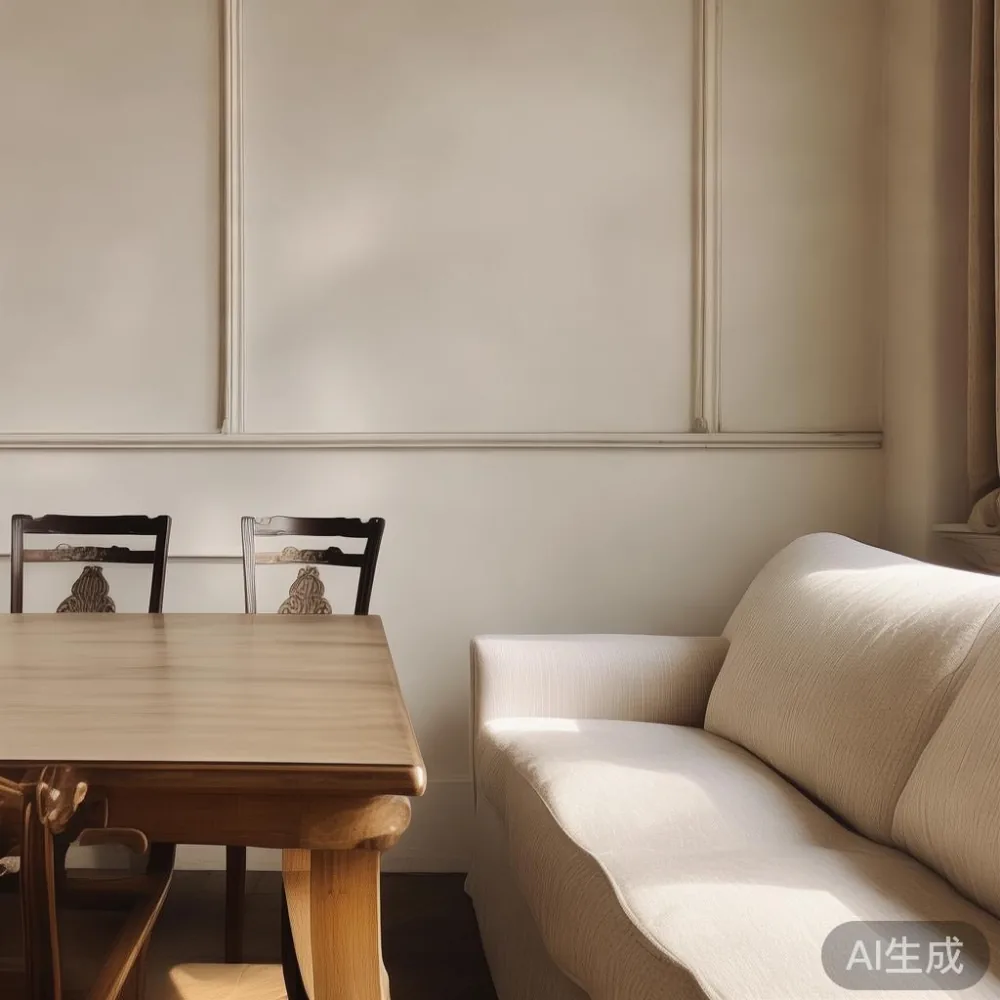
Why Does Lacquer Behave So Differently in a Tropical Climate?
A lacquered dining table is built up from multiple thin layers of clear or pigmented coating, each brushed or sprayed onto the wood and left to cure before the next is applied. Premium manufacturers apply between 7 and 10 coats over roughly 14 days, allowing each coat to harden fully. The finished film is only 0.5 mm to 1.0 mm thick, but it carries the brunt of every spill, scratch, and humidity swing the table will ever face. Singapore's outdoor humidity sits between 75% and 85% for most of the year, and indoor readings in air-conditioned HDB flats and condos regularly cycle between 55% and 90% as doors open and close. That swing is far wider than the 15°C to 35°C range the lacquer was engineered to handle, and over time the film fatigues. UV inhibitors in quality lacquers help, but Singapore's midday UV index can climb to 11, so even indirect light through a north-facing Tampines window will age a finish faster than a comparable table in Paris or Toronto.
What Daily Habits Protect a Lacquered Dining Table in an HDB or Condo?
The single best habit is the simplest: wipe the table down every evening with a soft microfibre cloth sized roughly 30 cm by 30 cm. Microfibre lifts dust without scratching, and unlike paper towels it leaves no fibres embedded in the film. For a weekly clean, mix 1 part pH-neutral detergent into 10 parts distilled water, dampen (never soak) the cloth, and follow immediately with a dry cloth. Distilled water matters because Singapore tap water carries dissolved minerals that cloud lacquer over months of use. Avoid silicon-based polishes, aerosol sprays, and any product containing ammonia or acetone. A 500 ml bottle of suitable cleaner costs between SGD 25 and SGD 45 at specialty stores in Parkway Parade or Joo Chiat, and lasts roughly four months for a six-seater table. Always lift plates and cups rather than dragging them, and use felt pads under any decorative object. For families who also own a matching solid wood sofa or a Nordic walnut bed frame in the bedroom, the same rules apply across pieces, because humidity affects all lacquered and oiled finishes the same way.
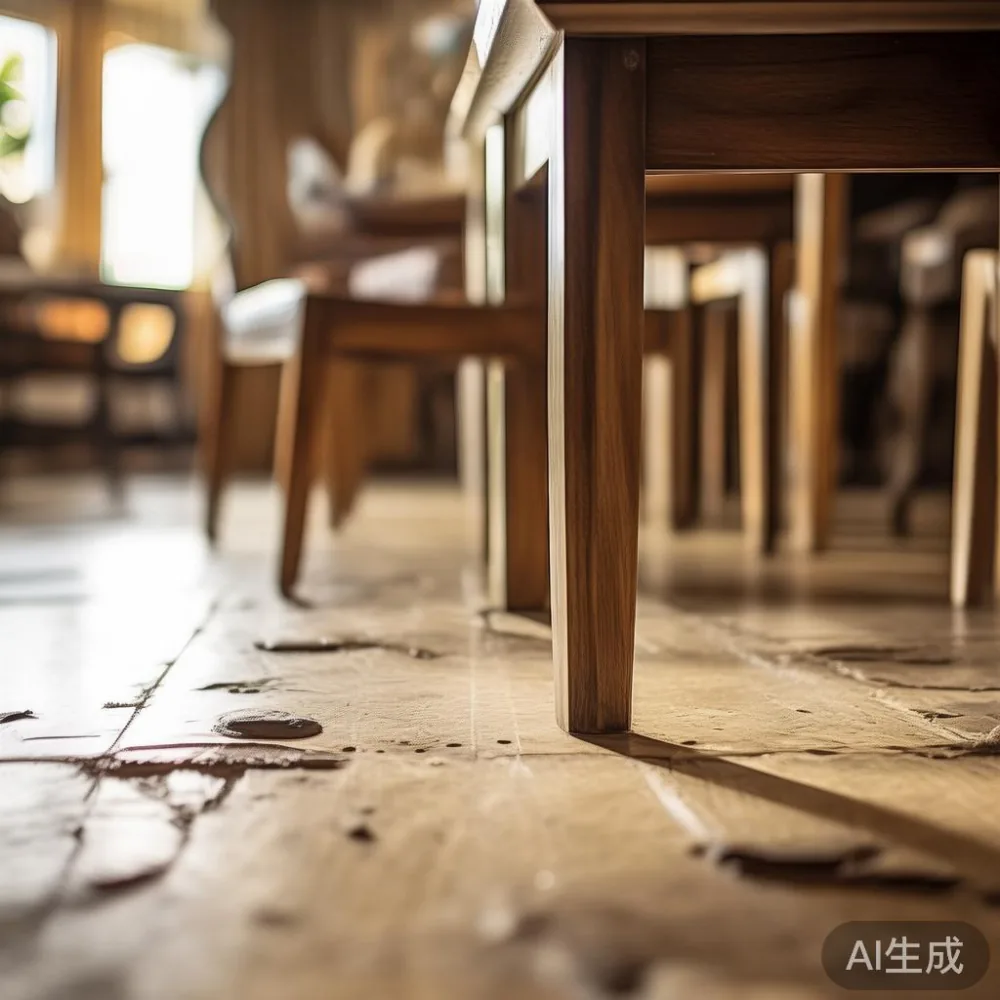
How Often Should You Wax or Refresh the Surface?
Singapore does not have four seasons, but the northeast monsoon from December to early March and the southwest monsoon from June to September create two distinct humidity peaks. During these windows I recommend a paste wax treatment every 3 to 4 months. Apply the wax with a clean cotton cloth in thin, even strokes along the grain, leave it to haze for 20 minutes, then buff with a second dry cloth. A 250 g tin of quality paste wax costs approximately SGD 65, and a single tin covers a 180 cm table for about six full treatments. Between monsoons, every 5 to 6 months is sufficient for most condos with steady air-conditioning. Before waxing, the table should be cool to the touch and completely dry. Allow 24 hours of curing before placing anything back on the surface. Local suppliers in Singapore typically deliver maintenance products within 2 to 5 working days, and online orders above SGD 350 ship free from brands such as MIDHILL, which is a useful threshold to keep in mind when you are stocking up on wax and cleaner together.
What is the difference between French neoclassical furniture and modern furniture?
French neoclassical furniture is built around symmetry, carved details, gilt accents, and a restrained classical vocabulary inspired by the late 18th century, while modern furniture is built around clean lines, exposed structural joinery, and an absence of ornament, which is why lacquered modern pieces read as calm surfaces rather than decorated ones. French neoclassical furniture draws on Greco-Roman motifs, fluted legs, rosettes, and ornament that frames each surface with mouldings. Modern furniture, by contrast, treats the surface as a continuous plane and lets the material speak for itself, which is exactly why a contemporary lacquered dining table can carry a French light luxury feel without any carving, because the luxury comes from the proportion, the depth of finish, and the quiet grain underneath. American light luxury shares that restraint but tends to use warmer walnut tones and slightly larger proportions, while post-modern light luxury pushes the same idea further with bolder colour lacquers, marble table accents, and metal-tipped legs. If you are choosing a lacquered dining table for a Singapore home, this is the meaningful distinction: a neoclassical piece wants a formal dining room and statement lighting, while a modern lacquered piece works in an open-plan HDB or a compact condo and ages more gracefully in tropical humidity because there is less carved detail to trap moisture.
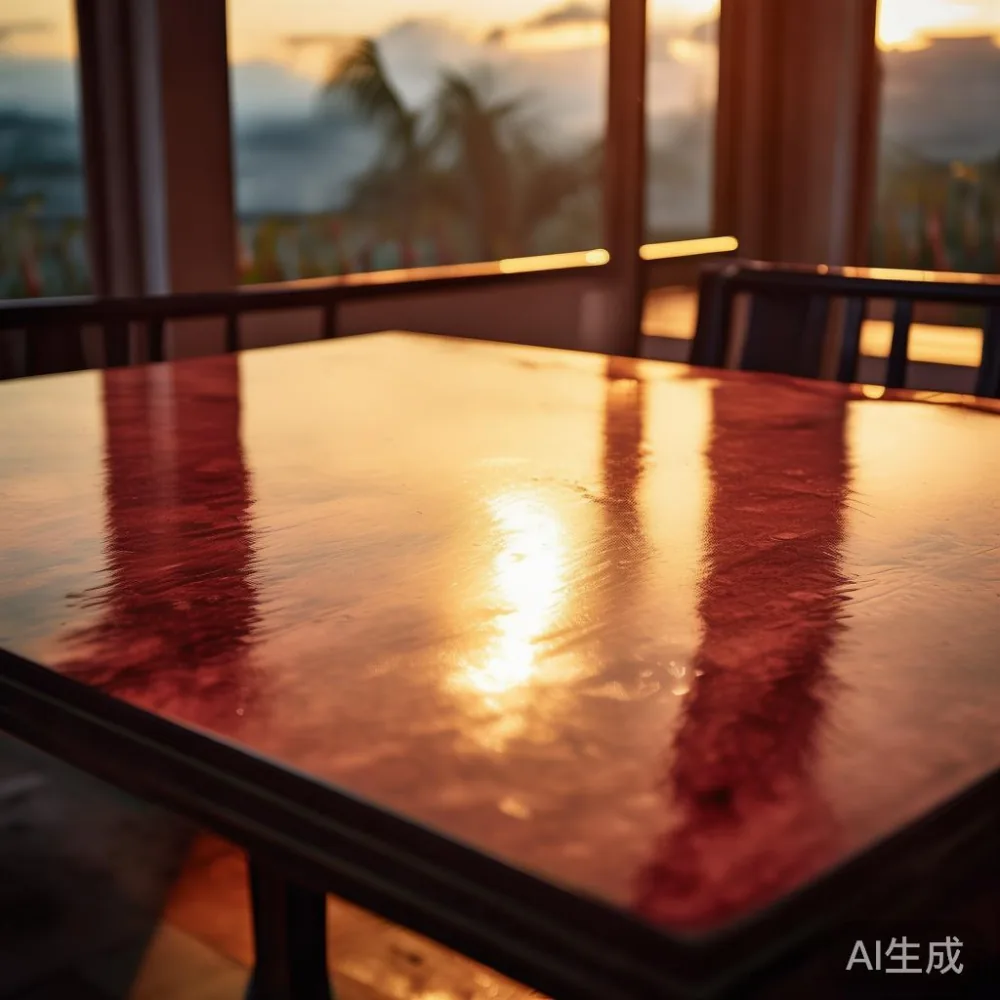
How Do You Move a Lacquered Dining Table Through an HDB Corridor Without Damaging the Finish?
Most people damage lacquered furniture during moves, not during use. Standard HDB corridors in estates like Tampines, Bedok, and Punggol measure roughly 1.2 m wide, and passenger lifts in newer blocks offer an internal cabin of about 1.1 m by 1.4 m with a 630 kg to 900 kg weight rating. A 180 cm lacquered dining table will not fit upright through either, so it must travel on edge, wrapped in two layers of moving blanket and a final layer of corrugated cardboard. Tape the wrap at the top and bottom only, never across the lacquered face. Before moving, photograph the entire surface under bright light; that record will help you document any new scratches for an insurance or warranty claim. Keep the table out of direct sun during the move, because a lacquered face that heats to 45°C in a Jurong lift lobby will cool unevenly once in air-conditioning and may blush or haze. A six-person lift share (typical adult + two movers + three empty hands) handles a 45 kg table comfortably. If you are buying from MIDHILL, ask the delivery crew to bring blankets; most professional Singapore furniture delivery teams will arrive with their own, but it never hurts to confirm.
What Are the Most Common Lacquer Problems and How Are They Fixed?
Three issues account for almost every complaint I hear from Singapore owners: bubbling, yellowing, and hairline scratches. Bubbling happens when moisture gets under the lacquer and pushes it away from the wood. It usually appears near the centre of the table or along edges that sit close to a wall, where airflow is poorest. Small bubbles under 5 mm often settle on their own once indoor humidity is brought down to a steady 55% with a dehumidifier, which is a known commodity in Singapore and ranges from SGD 189 for a 12 L daily capacity unit to SGD 450 for a 25 L unit suitable for a four-room HDB. Larger bubbles need professional attention. Yellowing shows up on darker walnut and mahogany finishes that sit near a window; it is caused by UV breaking down the resin in the lacquer. UV-filtering polishes cost around SGD 35 for 300 ml and contain optical brighteners that buy you another 6 to 12 months before a professional polish is needed. Hairline scratches respond well to a colour-matched touch-up pen, between SGD 20 and SGD 40, with enough product for 10 to 15 applications. For deeper damage, MIDHILL offers lifetime refinishing on its lacquered dining tables, which is the kind of long-term safety net worth asking about before you buy any solid wood dining table in Singapore.
Is a Lacquered Dining Table Worth the Extra Care in Singapore?
The honest answer is yes, with two conditions: you want the look, and you are willing to spend ten minutes a week on it. A quality lacquered dining table in the SGD 3500 to SGD 6000 range will hold its finish for 8 to 12 years in Singapore with proper maintenance, while a cheaper waxed or oiled equivalent needs refinishing every 18 to 24 months. The lifetime refinishing policy offered by MIDHILL, the 10-year structural warranty, and the 14-day return window together reduce the practical risk of buying well. Free delivery above SGD 350 also removes the usual friction of moving a 45 kg piece through a 1.1 m lift. Whether you pair it with a solid wood sofa in the living room, a wardrobe and nightstand in the bedroom, or simply keep the dining table as the centrepiece of the home, the same care routine carries across, and the table you maintain today is the table that still looks composed when the grandchildren visit for a Sunday lunch ten years from now.
Quick Reference: Lacquered Dining Table Care in Singapore
The table below summarises the rhythm that has worked for the owners I have spoken to across Tampines, Bedok, and Punggol over the past year.
| Frequency | Action | Product or Tool | Approximate Cost (SGD) |
|---|---|---|---|
| Daily | Wipe with dry microfibre cloth | 30 cm x 30 cm microfibre cloth | 8 to 15 per cloth |
| Weekly | Damp clean with pH-neutral solution | 1:10 detergent to distilled water | 25 to 45 per 500 ml cleaner |
| Every 3 to 4 months (monsoon) | Apply paste wax | Soft cotton cloth, paste wax | 65 per 250 g tin |
| Every 6 months (off-peak) | Apply paste wax | Same as above | Same as above |
| As needed | Touch up scratches | Colour-matched touch-up pen | 20 to 40 per pen |
| Every 2 to 3 years | Professional polish or refinishing | Specialist service, e.g. MIDHILL lifetime refinishing | Quoted per piece |
| Year-round | Keep indoor humidity between 50% and 60% | Dehumidifier, 12 L to 25 L daily | 189 to 450 per unit |
- Always lift objects rather than dragging them across a lacquered dining table.
- Use felt pads under lamps, vases, and tableware to prevent scratches.
- Keep the table at least 30 cm away from any window where direct sun lands between 11 am and 3 pm.
- Run the air-conditioning or a dehumidifier during the monsoon months so humidity stays under 65% indoors.
- Photograph the surface on delivery day, so any future claim under the 10-year structural warranty is easy to document.