Lacquered Dining Table Care in Tropical Singapore
A lacquered dining table can stay graceful in Singapore’s heat, humidity, rain, and coastal air, but it needs a routine suited to local conditions. At MIDHILL, we make solid wood dining tables for homes where a meal is more than a place to sit: it is where conversations continue, homework is reviewed, and the household gathers at the end of the day. Our lacquered surfaces are produced to suit modern interiors, and careful care can preserve their colour, sheen, and smoothness for years.
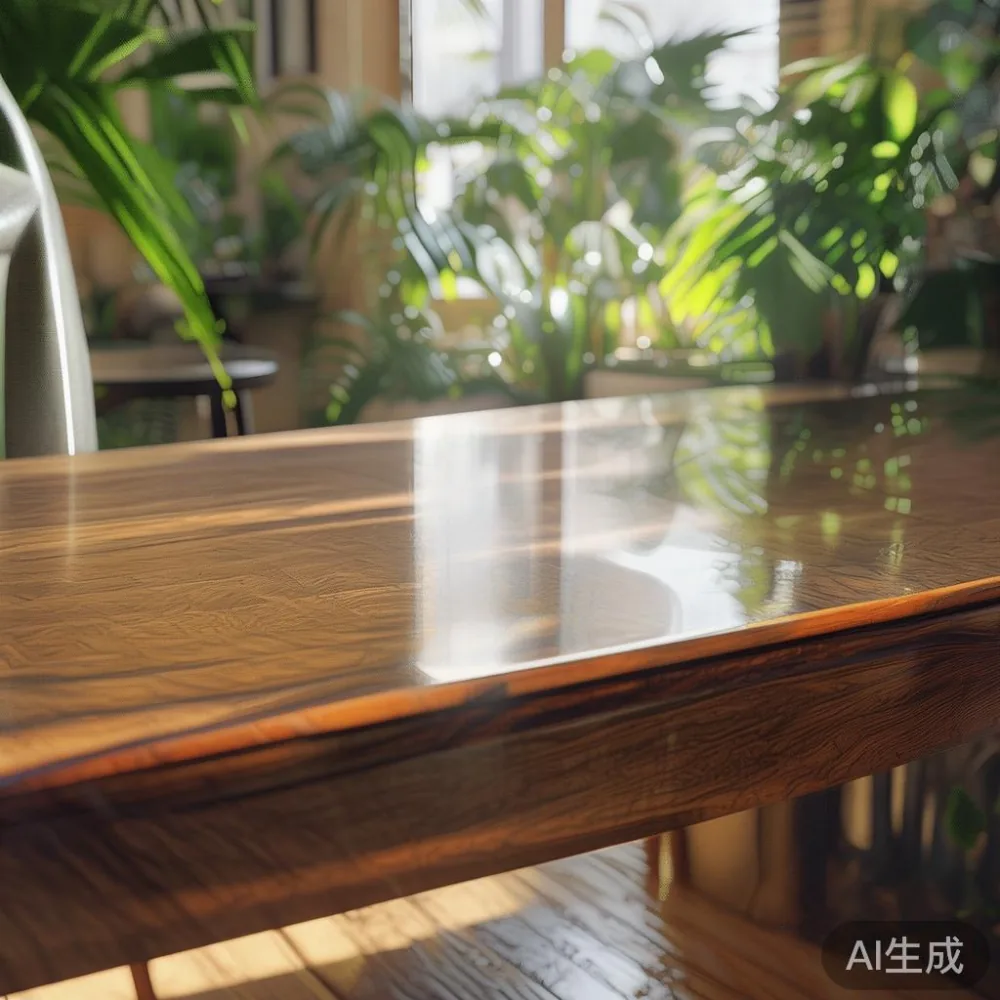
This guide focuses on one subject: protecting a lacquered dining table in places such as Tampines HDB flats, Bedok condominiums, and Punggol apartments. You will find practical cleaning advice, humidity guidance, measurements, and habits that work around lift lobbies, narrow corridors, open kitchens, and Singapore’s abundant rainfall.
What does tropical humidity do to a lacquered dining table?
Singapore’s climate spends much of the year above 80% relative humidity. That moisture can enter exposed timber, swell the grain beneath the lacquer, and sometimes create a faint hazy appearance that people mistake for dirt. The change may be difficult to notice at 10:00 p.m. but obvious after breakfast the next morning.
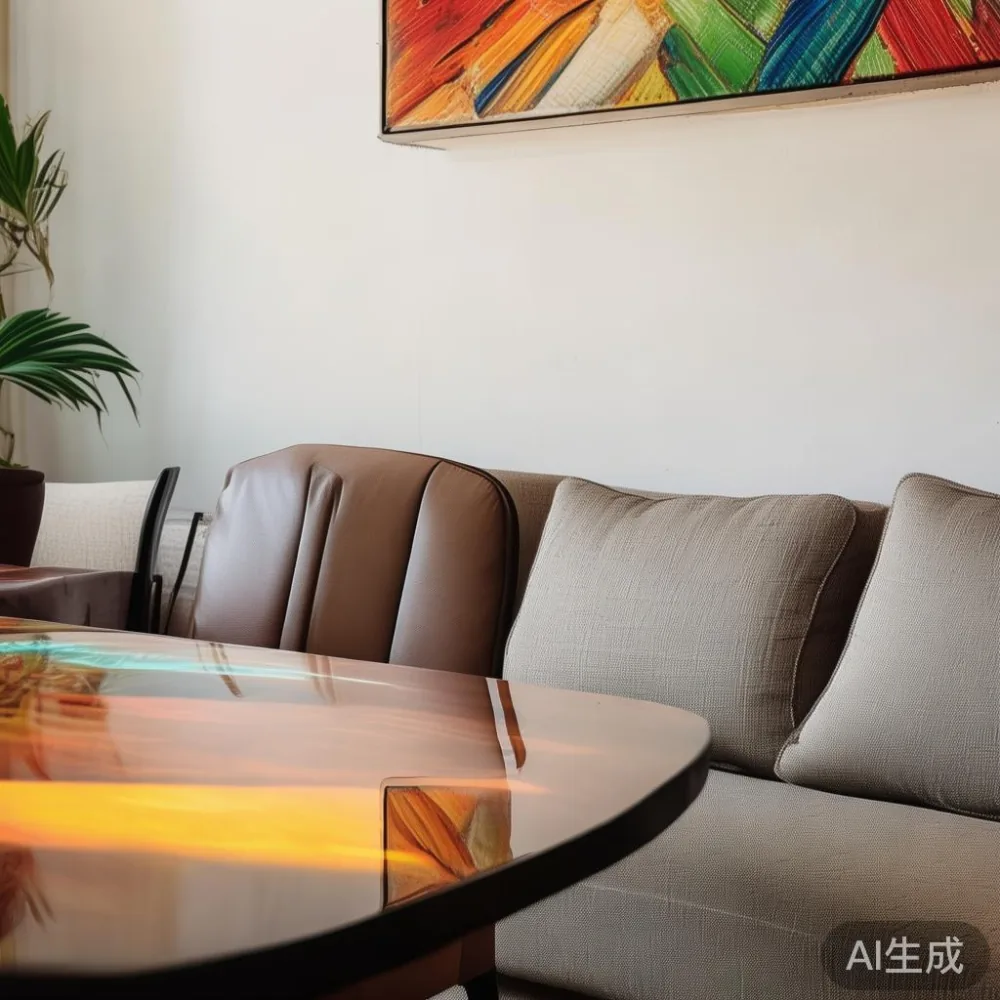
Keep the indoor environment reasonably stable. A useful target is approximately 40% to 60% relative humidity, measured with an inexpensive hygrometer costing about SGD 12 to SGD 30. In a HDB flat without dedicated air conditioning in the dining area, place the table away from bathroom doors, kitchen steam, laundry windows, and an open balcony threshold. A gap of at least 30 cm from a damp wall is sensible. In a compact condo, use a dining table that allows air to circulate on all sides rather than pushing it tightly against a window or air-conditioning outlet.
Solid wood naturally responds to seasonal movement. Even under lacquer, a dining table can expand by roughly 3 mm to 6 mm across its width during humid periods. Small tabletop gaps and seasonal movement should not be confused with a coating failure. Do not trap the table between two immovable pieces. Allow at least 5 cm of clearance from a sideboard, radiator-style cabinet, or tiled wall.
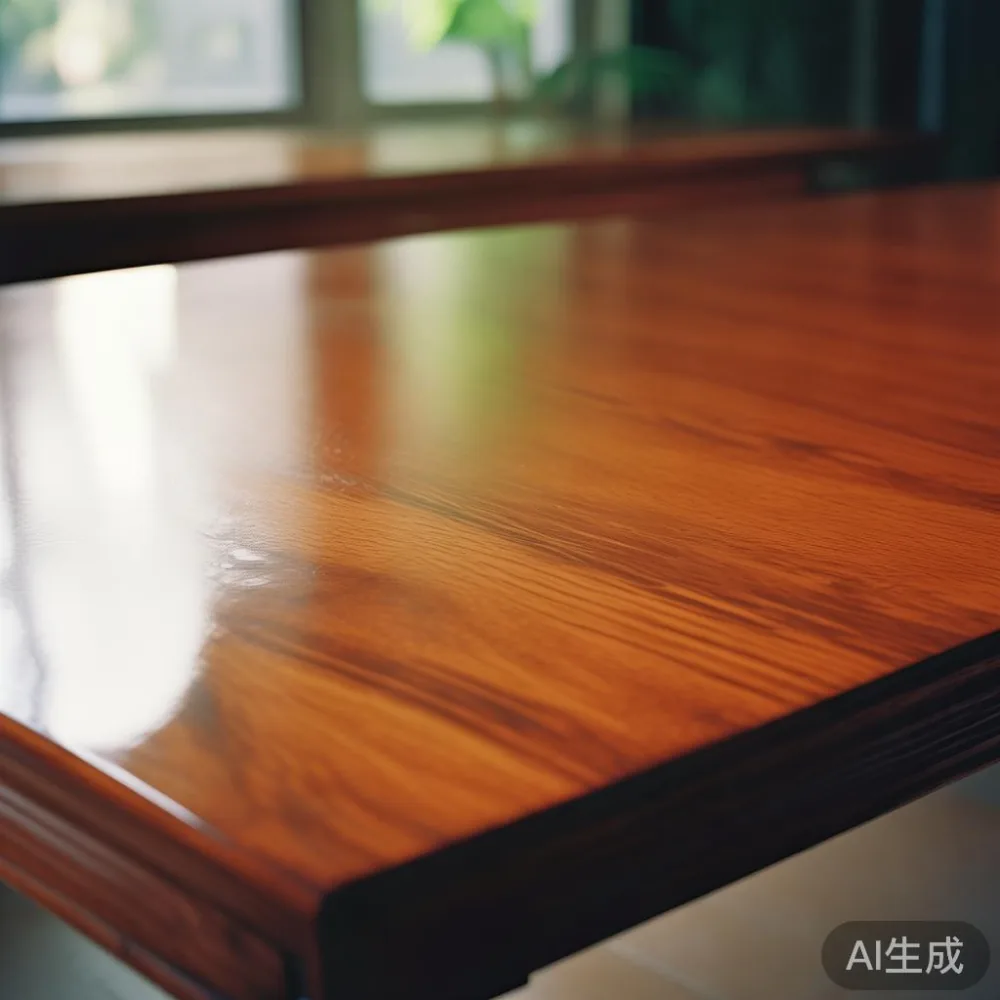
Sudden temperature changes matter too. A dining table moved from a cool corridor at 24°C into a room at 29°C should acclimatise for 4 to 6 hours before heavy use. Never wipe a warm lacquered surface with cold water. The temperature difference of more than 8°C can cause condensation and leave a temporary dull film.
What is the safest way to clean a lacquered dining table?
Begin with a dry microfibre cloth. Wiping grit across lacquer can produce fine scratches that catch overhead light. For routine cleaning, dampen a second microfibre cloth with plain water and wring it until it is only damp, not dripping. A 90 cm cloth is convenient for a 160 cm to 200 cm dining table. The surface should never feel wet under your palm.
For fingerprints and light marks, add 1 drop of mild, pH-neutral dish detergent to approximately 500 ml of water. The mixture should feel nearly indistinguishable from plain water. Spray it onto the cloth rather than the table, then wipe in the direction of the wood grain. A second dry cloth removes residue. Avoid alcohol, bleach, vinegar, ammonia, citrus cleaners, furniture polish, and abrasive pads; even a diluted product can soften lacquer or flatten its low sheen.
Spills should be lifted promptly. Use a clean cloth to blot rather than rub, then follow with the damp-cloth method. If a hot drink has been left for more than 30 minutes, do not scrub. Place a clean cloth over the mark for 10 minutes, then test a barely damp cloth in an inconspicuous area. If the finish feels sticky or changes appearance, contact the supplier instead of applying another chemical.
Cleaning is also a practical concern during a home renovation. Fine gypsum dust from Tampines or Bedok refurbishment projects can settle into the lacquered surface. Vacuum with a soft brush attachment held about 5 cm above the table, followed by a dry microfibre pass. Avoid a brush attachment if it sheds fibres. Paint specks should be lifted carefully with a plastic scraper, not a metal blade.
How should I protect the finish from heat, sunlight, and food?
Heat is a frequent cause of lacquer damage. Singapore kitchens may include induction zones, kettles, hot pots, and insulated serving dishes. Set a heat-resistant trivet beneath a 90°C teapot or a hot casserole dish. Leave at least 20 cm between an active cooking flame and the dining table edge. Coasters should be at least 8 mm thick and flat, with cork or felt contacting the lacquer. A warped coaster can create a ring because it traps moisture.
Use a placemat measuring roughly 40 cm by 30 cm beneath communal dishes. It keeps sauce and condensation away from the timber while allowing the table to remain visually uncluttered. Wipe spills within 1 minute rather than waiting until the end of the meal. This small habit prevents coloured sauces, turmeric, soy, and red wine from penetrating hairline cracks.
Direct sun can fade both wood and lacquer. Window glass may block ultraviolet rays, but it does not stop all visible light and heat. Where a dining table sits beside a west-facing window, use a sheer curtain with a shading factor of at least 40% or apply a film rated for 99% UV rejection. Rotate accessories every 2 to 4 weeks to reduce uneven fading. This advice also protects nearby furniture, whether it is a solid wood sofa, a bed frame, a wardrobe, a nightstand, or a marble table with its own sealing requirements.
Do not place synthetic rubber or PVC mats directly on the surface for long periods. They can stick, leave impressions, or discolour the lacquer. A natural cork trivet is a practical choice in a humid home. Remove it after use so moisture does not remain trapped against the table.
Will moving the table to another HDB flat damage the lacquer?
A lacquered dining table can be moved, but the route and the weather need attention. Before booking a van, measure the dining table, including its longest diagonal. A 180 cm rectangular table may have a diagonal close to 205 cm. It must pass through a lift door, cabin, and corridor while allowing about 5 cm clearance at turning points.
Many newer HDB blocks have lift doors around 900 mm wide and cabins around 1,400 mm deep, though older and renovated layouts vary. A standard dining table can turn into a difficult geometry problem even when its width is 90 cm. Measure the narrowest corridor width, door clearances, balcony threshold, and turns. Remove the legs where the design permits, and protect each fitting with foam and 2 mm plastic sheeting. Secure moving straps around the frame, not around the lacquered top.
Never carry a lacquered dining table through the rain without covering it. The packing layer should include 5 mm foam over the top and corners. Schedule the transfer during a dry 2-hour window and check the hourly forecast. A furniture delivery service from a Singapore workshop may charge about SGD 80 to SGD 250 within a central area, while a two-person move with a van often begins near SGD 180. GST is normally included in quoted consumer prices, but check the invoice for a separately stated 9% GST line.
Allow the table to acclimatise in its new dining area for 24 to 48 hours before setting objects on it. If condensation develops on the surface, leave the room ventilated and switch off a nearby humidifier. Aiming for 24°C to 28°C and 40% to 60% relative humidity will reduce moisture-related haze.
Can scratches, dull patches, or peeling be repaired?
Light scratches may be reduced, but polishing is not always the correct treatment. Fine abrasives can remove lacquer unevenly, especially on a matte or low-sheen finish. Test any proposed repair in a hidden corner and wait 24 hours to judge the result. Deep scratches that expose bare wood, lifting edges, bubbles, or broad peeling need professional attention rather than household remedies.
Small water marks can sometimes disappear after repeated gentle cleaning. A mark caused by condensation usually disappears within 48 hours as the finish dries. Do not apply heat from a hair dryer or use an iron; both can make the damage worse. Mild surface haze may respond to a product approved by the furniture maker, used sparingly on a soft cloth and tested first.
Manufacturers such as MIDHILL offer a 10-year structural warranty on eligible furniture and lifetime refinishing support, although the coating terms should be confirmed with the supplier for each finish. Coverage of a lacquered dining table should be distinguished from a structural warranty on the timber frame. In Singapore, a 2026 buyer can also inspect an FSC-certified timber specification where available and ask whether the lacquer conforms to low-emission requirements such as Singapore’s renovation guidance.
Light luxury is not only about visual effect. A French light luxury or American light luxury interior often places a pale dining table against carefully selected lighting, ceramics, and upholstery. The dining table should therefore be treated as part of the composition rather than as a separate object. If you are comparing a European light luxury sofa vs French provincial sofa, remember that textile finishes and lacquered timber need different care products. The same applies when comparing Japanese sofa vs Italian light luxury sofa: upholstery composition affects spill response, while a hard lacquer surface responds to moisture and heat differently.
How can I style a lacquered dining table without overusing it?
Begin with proportion. A dining table should leave 90 cm to 110 cm between the table edge and a fixed wall or sideboard, while allowing 75 cm to 90 cm for each person’s place. An 80 cm-wide round dining table suits some compact HDB dining bays; a 140 cm to 160 cm rectangular model works better in an open Tampines or Punggol living area. Choose a finish that supports the room’s light rather than competing with it.
Modern Mid-century modern furniture often uses clean lines, tapered forms, and warm wood, while a post-modern light luxury approach may introduce layered textures and gentle contrast. A solid wood dining table can bridge these styles. Keep the immediate setting simple: 1 centrepiece no more than 25 cm high, 2 low bowls or vases rather than 8 tall pieces, and table linens that do not brush against chairs.
Material choices need a little care in tropical conditions. Paper or untreated rattan decorations can absorb humidity. Consider sealed ceramic, glass, powder-coated metal, or fabric wrapped around a stable core. For broader planning, questions such as how to style Japanese wardrobe in apartment or requests for for sale Boho furniture are common, yet the principle remains the same: every material should have a suitable cleaning method and enough space for ventilation.
Where space is limited, an extendable dining table can change from 140 cm to 200 cm. Before opening it, wipe the extension rails and allow about 10 minutes for the mechanism to settle. Do not force the top at the end of the first month. If the dining table was supplied by MIDHILL furniture, follow the included operating instructions and keep a copy of the warranty for the table’s purchase and movement records.
What should my monthly care routine include?
Set aside 15 to 20 minutes each month. Check the hygrometer, inspect the table beneath a bright lamp, and look along the grain for scratches, lifting, or sticky areas. Wipe the surface with a clean microfibre cloth and follow with the damp cleaning method if needed. Rotate coasters and centrepieces so the same area does not remain covered for months.
Every 3 months, inspect the legs, underside, and edges. In a humid flat, look for mould around the floor contact points and wipe the legs with a barely damp cloth. Every 6 months, check nearby silicone seals and window seals because leaks often become apparent after intense rain. Once a year, review the warranty documents and the care instructions supplied with the finish.
A good routine is simple: protect it from standing water, control indoor humidity, moderate heat, and use soft cloths. For a 180 cm dining table costing around SGD 1,500 to SGD 3,500, consistent care can prevent a minor spill from becoming a permanent haze. It can also retain the reflective character that supports a post-modern light luxury room or the understated warmth of French light luxury styling. Preserve the surface, provide breathing room, and the dining table can continue to anchor daily life for many years.