Buying a Solid Wood Dining Table Online in Singapore: Delivery, Lifts, Corridors, and the Realities of Assembly
Buying a solid wood dining table online from an overseas maker sounds simple until the SMS arrives: "Delivery tomorrow, 10am–1pm, two-man team." The next question is rarely about the wood grain or the tapered legs. It is about whether the corridor outside your Tampines HDB unit can swallow a 2.1-metre box, whether your service lift will fit a 95 kg crate, and whether the man who turns up actually knows how to swing a T-Allen key. I tested this with a friend last month in Punggol, ordered a 6-seater oak dining table from a Foshan factory, and discovered more about lift doors than I ever wanted to know. If you are shopping for a dining table in Singapore, here is the unromantic truth about delivery and assembly, with numbers, SGD pricing, and a few neighbourhood shortcuts that save you the headache.
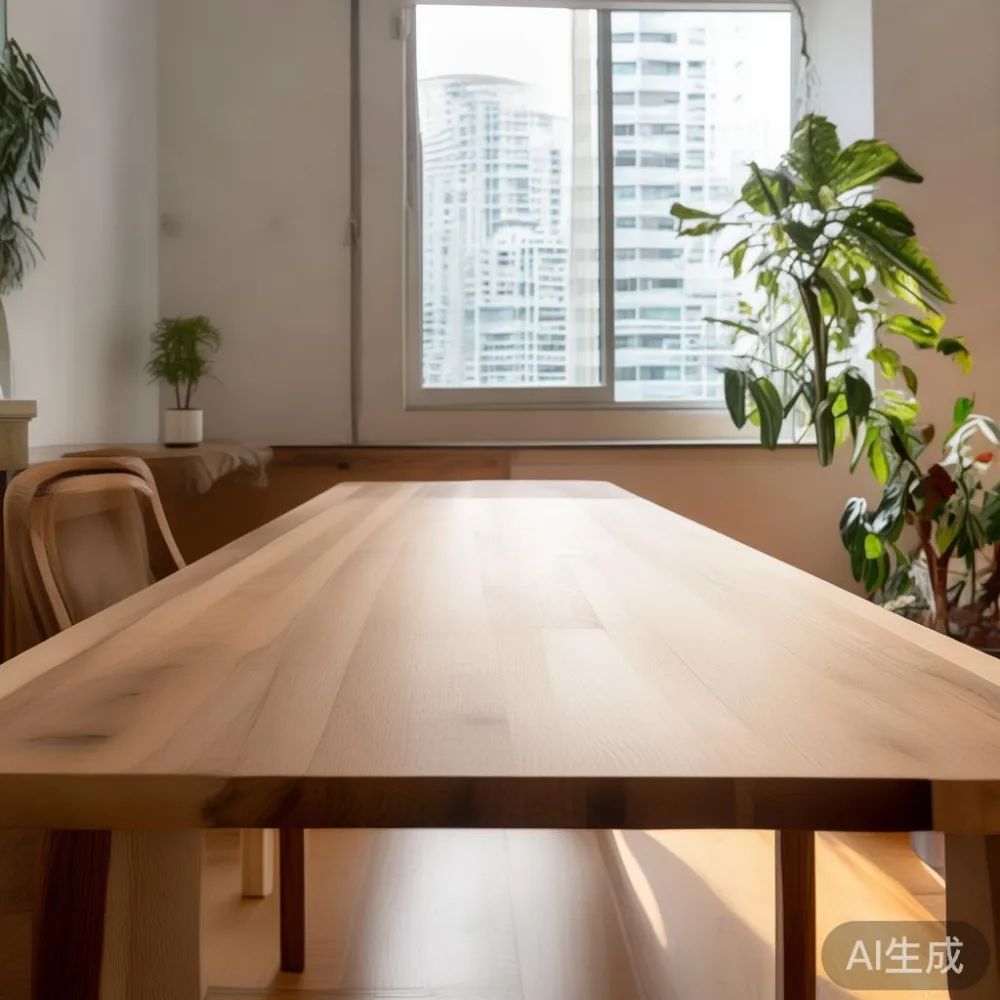
What "Free Shipping Over S$350" Actually Means for a Dining Table Order
Most cross-border furniture brands advertise free shipping above a threshold. For MIDHILL, that threshold sits at US$350 (around S$475 at today's rate), and a single dining table easily clears it. But free shipping covers only the sea freight, customs clearance, and the last-mile courier — it does not cover the four flights of stairs in your Bedok walk-up, the S$60–S$120 disassembly-and-reassembly surcharge for items that arrive flat-packed but oversized, or the S$25 carrying fee if the lift in your Punggol condo is out of service. When a brand quotes "door-to-door", ask for the door in question: the factory door in Foshan, or your apartment door on the 14th floor.
For my friend's dining table, the quote broke down roughly like this:
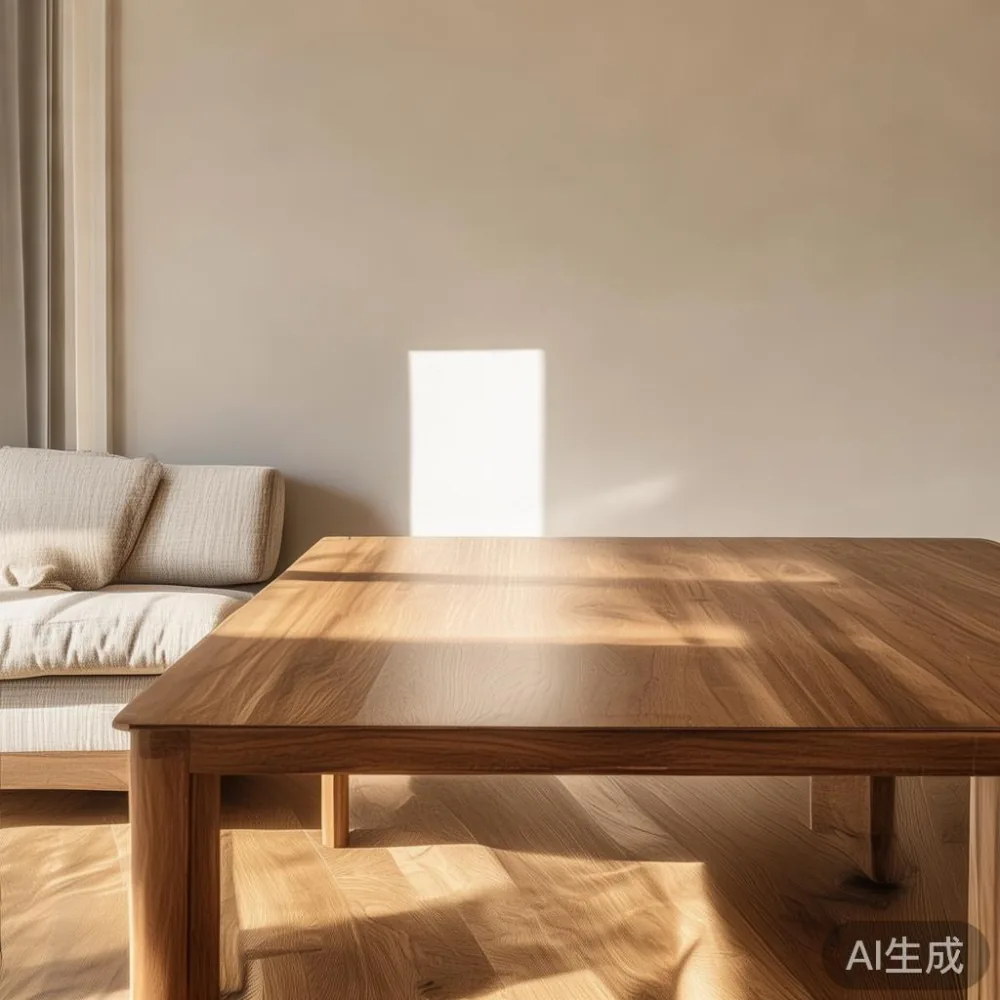
- Ocean freight + Singapore customs clearance: included in the table price (the dining table was S$1,890)
- Last-mile delivery to Punggol: included
- Two-man carry up to 3rd floor via lift: included
- Additional S$80 if lift is unavailable and stairs are required
- Assembly on site: S$45 for a dining table, S$90 for a wardrobe or solid wood bed frame
GST at 9% is added on the imported value. Since 1 January 2023, Singapore charges 9% GST on all imported goods regardless of value, so a S$1,890 dining table lands at roughly S$2,060 before any delivery extras. That is the figure you should budget, not the sticker price.
Will the Box Even Fit in My HDB Lift?
This is the question every Singaporean asks too late. Standard HDB passenger lifts measure approximately 1.1 m wide × 1.4 m deep × 2.3 m tall, with a door opening of around 0.9 m. Goods lifts in newer BTOs are larger — about 1.3 m × 1.8 m × 2.4 m — but not every block has one. A typical 6-seater dining table arrives in two cartons, one for the tabletop and one for the legs and pedestal. The tabletop carton is the worry: a 1.8 m × 0.9 m oak top, packed with 8 cm of foam and a wooden crate, becomes a parcel roughly 1.95 m × 1.05 m × 0.18 m. It will not stand upright in an HDB lift. It will, however, fit flat if the lift floor diagonal is at least 2.2 m, which most are not.
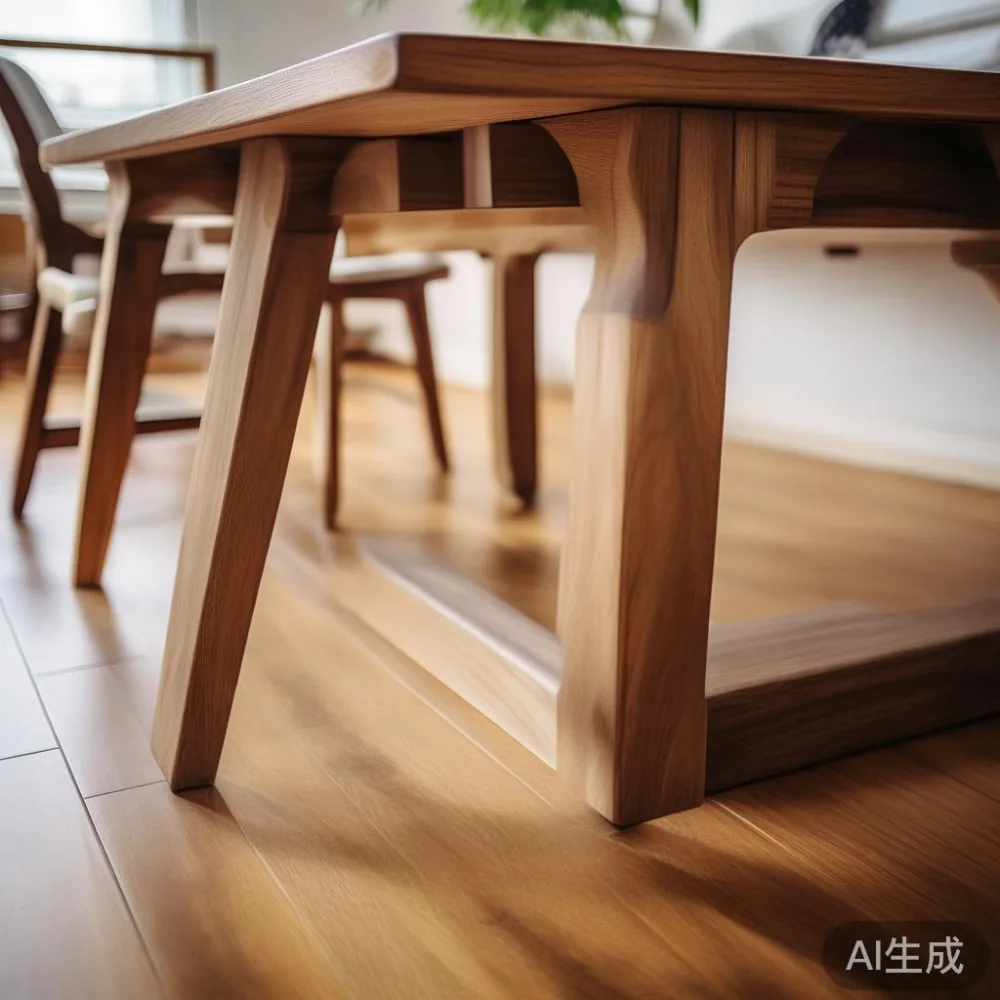
The practical solution — the one the delivery crew used for my friend's dining table — is to angle the box across the lift car, with one end resting on the floor and the other propped against the lift wall. Two experienced movers can do this in under 90 seconds. One mover and a confused homeowner cannot. When you order, ask the seller for the exact carton dimensions in centimetres and the gross weight in kilograms. A solid wood dining table will weigh between 65 kg and 120 kg depending on the species (oak heavier, ash lighter) and the leg construction. Anything above 80 kg total should arrive as two parcels, not one.
What About Corridors, Staircases, and the Famous Sharp Corner at Level 3?
Older HDB blocks in Bedok and Tampines were not designed for flat-pack furniture from China. The corridor outside your unit often narrows to 1.1 m around the refuse chute, and the staircase turn at the intermediate landing has a clear width of only 0.95 m. A 1.95 m-long tabletop will not pivot around that corner. Newer condos in Punggol, Sengkang, and the Greater Southern Waterfront developments have wider 1.5 m corridors and proper loading bays, but they still gate-check deliveries, and the loading bay may be 50 m from your tower.
My friend's delivery took 35 minutes from the truck to the dining room because of one such corner. The crew had to remove the protective wooden crate, slide the tabletop out of its foam sleeve, and carry the bare top vertically. That is a calculated risk the movers took; it is not something you should ask of a random courier. Insist on a two-man team for any dining table above 1.6 m, and ask whether they carry moving blankets. A good Foshan-export brand — and MIDHILL fits this description — will dispatch crews with blankets, straps, and shoe covers. On your home (the floor, the lift buttons, the marble lobby). Whether they do is a fair question to put in the live chat before you confirm the order.
How Long Does Sea Freight From Foshan to Singapore Actually Take?
The honest answer in 2026 is 18 to 28 days door-to-door, assuming no typhoon season disruption in the South China Sea (June to September adds 3–7 days) and no Chinese New Year factory shutdown (mid-January to mid-February, when production halts for roughly 21 days). Here is a typical timeline for a dining table order placed on a Monday:
- Day 1–3: Order confirmed, production scheduled
- Day 4–12: Table built, finished, photographed for QC, packed in wooden crate
- Day 13: Container loaded at Foshan Port
- Day 14–20: Ocean transit to Singapore (PSA Terminal)
- Day 21–23: Customs clearance, GST payment, container de-stuffing
- Day 24–25: Local last-mile scheduling, SMS confirmation
- Day 26–28: Delivery to your HDB or condo
If a seller promises 7-day delivery from China to your Tampines dining room, they are air-freighting a small item, not shipping a dining table. Solid wood is heavy, and air freight on a 90 kg dining table would cost more than the table itself. Plan for three to four weeks. For context, a MIDHILL dining table ordered on the 1st of the month typically arrives between the 22nd and the 28th, and the brand's 14-day return window starts on the day of delivery, not the day of order.
Will the Delivery Team Actually Assemble the Dining Table?
Some do, some don't, and the difference is usually about S$45. Cross-border brands split into three camps: (1) ship assembled, (2) ship flat-packed with self-assembly instructions, (3) ship flat-packed with on-site assembly as an optional add-on. For a dining table, option (1) is rare outside of small café tables — a 1.8 m solid oak top will not survive a container voyage fully assembled without cracking, because humidity swings between Foshan and Singapore can hit 30 percentage points. Option (2) is the industry default. Option (3) is what you want.
For my friend's dining table, the assembly took 22 minutes: four legs, one central support beam, eight M8 bolts, one T-Allen key. The instructions were a single A4 sheet with diagrams only — no words in English. The Chinese-speaking foreman translated, the homeowner held the top upside-down on the floor, and the two movers tightened the bolts in a star pattern to avoid racking. When it was righted, the dining table sat perfectly level on the friend's uneven HDB floor thanks to the four adjustable levelling feet under each leg. If your brand doesn't include levelling feet, buy S$8 furniture pads and thank me later.
This is also where the difference between a solid wood dining table and an MDF-veneer dining table becomes a maintenance story, not just a quality story. Solid wood expands and contracts with humidity. A dining table delivered in January (Singapore's wettest month at 80%+ relative humidity) and assembled in a dry air-conditioned condo may develop a 2 mm gap at a panel joint by March. That is normal, and a good maker will offer free lifetime refinishing — sand, re-oil, re-seal — because the table is built to be refurbished, not replaced. MIDHILL is one of the few brands that ships every dining table with a written lifetime refinishing promise, and the 10-year structural warranty covers joint failure, not surface movement.
What If the Box Arrives Damaged or the Dining Table Has a Defect?
Open the cartons in front of the delivery crew. Photograph everything: the crate, the foam, the corners, the table top, the underside, each leg. If you see a crack, a deep scratch, or a chipped corner, write it on the delivery receipt before the movers leave. "Subject to inspection" is not a magic word in Singapore; a clear note on the POD (proof of delivery) is. You then have 14 days to decide whether to keep, refund, or replace. Refunds on imported dining tables typically take 7–10 working days after the goods return to the Singapore warehouse, and the return shipping cost (often S$120–S$180 for a dining table) is usually deducted unless the defect is the seller's fault.
For context, I visited a colleague's new Punggol condo in March where a marble-top dining table from another brand arrived with a 12 cm hairline crack across the marble. The brand argued it was impact damage during unboxing, not factory defect. The colleague had no unboxing video and lost the S$2,400 claim. Lesson: record the unboxing. Thirty seconds of phone video is worth S$2,000.
Can I Style a Light Luxury Dining Room Without Buying a French Provincial Set?
This is the question Singaporean buyers in their late 20s and 30s actually ask, after they have measured the lift and confirmed the delivery slot. The aesthetic answer in 2026 leans towards American light luxury and post-modern light luxury — clean lines, warm travertine, brushed brass, and one statement piece of solid wood rather than a matching suite. A French light luxury dining room, by contrast, leans on curves, cabriole legs, and a chandelier that would not look out of place in a Parisian apartment.
If you are choosing between a light luxury bed vs French provincial bed for the master bedroom next door, the same logic applies: light luxury reads as quieter, more architectural, and easier to pair with a Muji-style condo. French provincial reads as warmer, more decorative, and pairs with mouldings and panelling. Either way, the dining table should anchor the room, not match it.
And if you are wondering how to choose Italian light luxury wardrobe for the walk-in down the hall, the rule is: pick the wardrobe and the dining table from the same brand if possible. Wood tone matching is the single biggest tell of a designer home, and a single source — say, a Foshan maker shipping everything in one container — guarantees it. A solid wood bed frame in white oak next to a dining table in white oak, even if the designs are different, will look like a coherent interior. Mix brands and you spend your weekends colour-matching stains.
How Do I Stop My Dining Table From Looking Like Everyone Else's Dining Table?
Three moves that work in a 90 sqm Punggol or Bedok flat:
- Swap the standard 75 cm height for a 70 cm Japanese-style low dining table if you sit on a floor sofa or a low-profile banquette. The 5 cm drop changes the room.
- Choose an extendable dining table with a hidden butterfly leaf. Six to eight seats at S$1,800–S$2,600, ten seats at the pull of a lever. Singapore HDBs are small; flexibility wins.
- Add one piece of contrast. A marble side table, a MIDHILL coffee table in walnut next to a white oak dining table, or a single velvet chair at the head of the table. The single material break is what separates a styled room from a catalogue photo.
One last thought on adjacent rooms, since the same delivery maths applies. A solid wood sofa set in the living area will arrive in three cartons, each 35–55 kg, and the corner-sofa module will not fit your lift diagonally — ask the family to measure the diagonal first. A nightstand is a non-event: 18 kg, one carton, no assembly. A wardrobe is the nightmare cousin of the dining table: 2.4 m tall, 180 kg in three crates, often requires the goods lift and a 2-hour assembly slot. If you are hunting for the best Scandinavian wardrobe for 2026, add six weeks to your timeline and budget S$300–S$500 for assembly, far more than for any dining table.
For shoppers browsing light luxury for small living room setups, the trick is restraint: one solid wood dining table, one solid wood bed frame, one statement accessory. Skip the matching sideboard unless you have a 110 sqm condo and a separate dining room. The room looks larger, the lift journey is shorter, and the bill stays closer to S$5,000 than S$12,000.
One last comparison that came up while I was in the friend's apartment: a light luxury sofa vs Italian light luxury sofa is mostly a finish question, not a comfort question. Italian light luxury tends to use full-aniline leather and channel-tufted backs; French light luxury tends to use top-grain leather with cleaner stitching. The frames are usually the same beech or pine from Eastern Europe. For an office context — say, you are kitting out a home study or a small studio — Italian light luxury for office settings leans towards slimmer arms, higher backs, and a 65 cm seat depth that supports a laptop posture. The same chair in a dining room context would feel overdressed. Pick the room, then pick the silhouette.
In the end, buying a dining table online from a Foshan maker is less about the brand brochure and more about the four measurements on your building plan: lift width, lift depth, corridor width, and staircase turn clearance. Get those four numbers, send them to the seller before you pay, and ask for a written confirmation that the dining table — at its finished packed size — can reach your dining room door. If the seller hedges, pick a different dining table. The best wood in the world is useless if it spends its life in a Punggol loading bay because nobody checked the lift diagonal.