How to Care for a Lacquered Dining Table in a Tropical Climate
Singapore’s warmth, humidity, and frequent contact with food, water, and cleaning products can leave a lacquered dining table looking dull or marked. The table may be solid wood underneath, but the lacquer is the visible, protective skin that handles daily spills, scratches, and UV exposure. In a compact HDB flat or a high-rise condominium, a dining table also has to cope with narrow lift doors, corridor turns, balcony meals, and air-conditioning that switches on and off throughout the day.
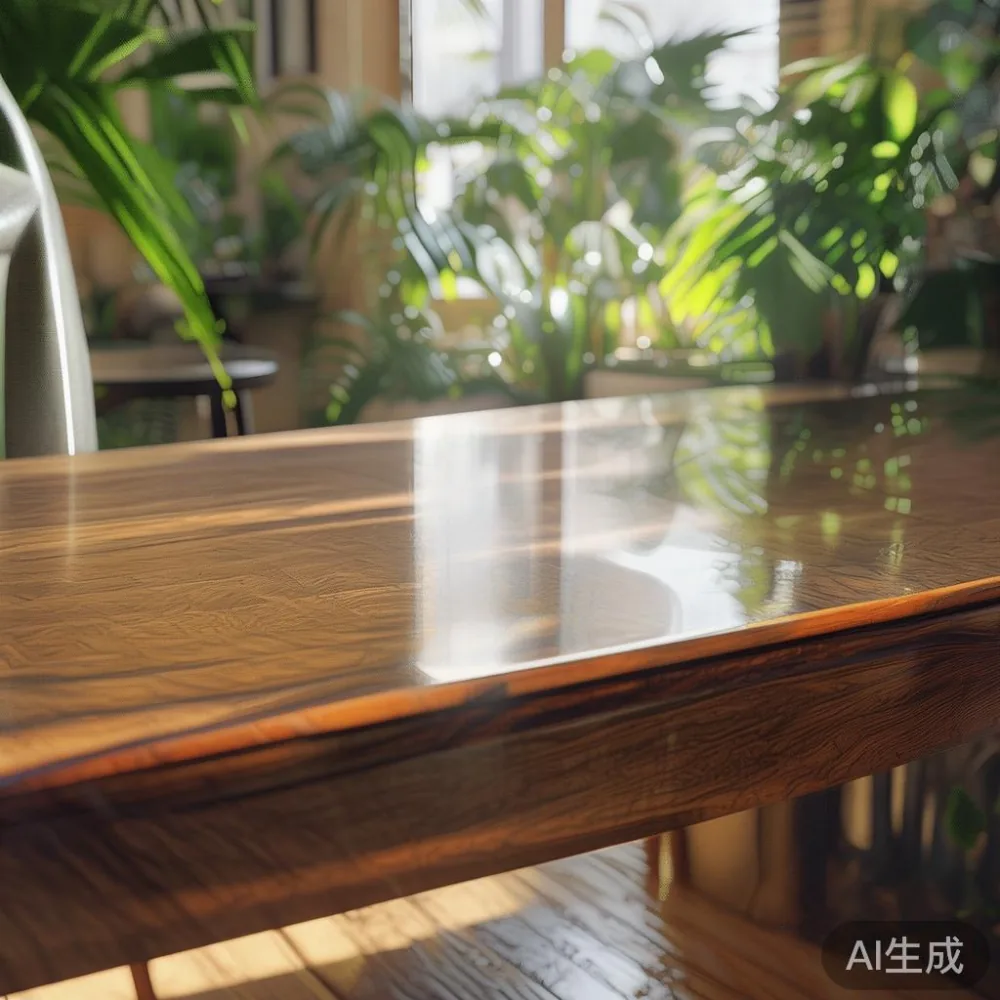
Proper care does not require complicated equipment. It needs a measured routine, sensible habits, and a few products chosen for the exact lacquer finish. For MIDHILL dining table owners in Tampines, Bedok, Punggol, and elsewhere in Singapore, the goal is to preserve the colour, sheen, and structural integrity for years while retaining the refined character associated with French light luxury, American light luxury, or post-modern light luxury interiors.
One important point is that lacquer is not the same as untreated solid wood. The timber may continue to move slightly as humidity changes, while the cured surface reacts differently to heat, alcohol, silicone, and abrasive pads. Treating the finish according to its type prevents a well-made dining table from becoming a sticky, cloudy, or uneven surface.
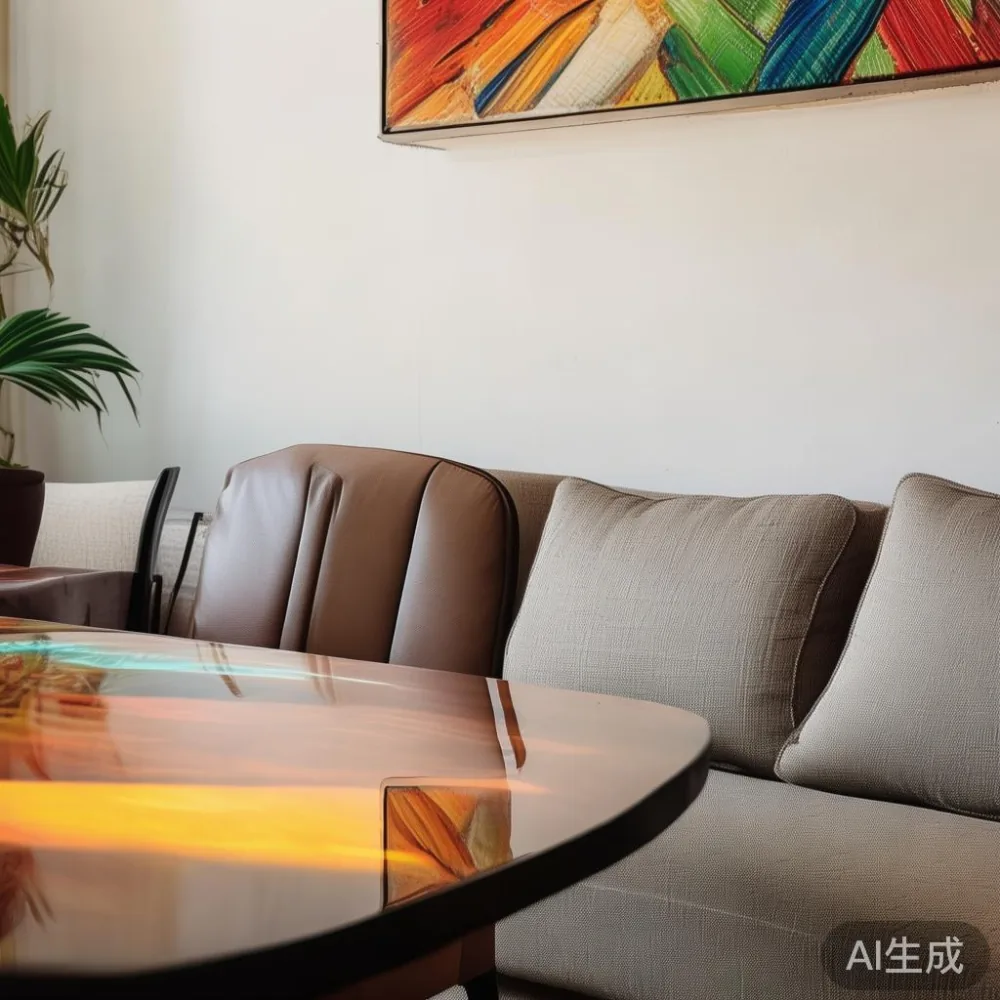
What makes lacquer care difficult in Singapore?
Singapore’s climate makes routine maintenance more demanding than it would be in a cooler, drier region. Outdoor temperatures commonly sit around 31–33°C, relative humidity can exceed 80% during wet periods, and UV levels remain strong even when the sky is partly cloudy. A dining table near a west-facing window may receive direct sunlight for 2–4 hours in the afternoon. Near a balcony door, it may also face warm, moist air whenever the door is open.
For solid wood, small dimensional changes are normal. A timber board might expand by several millimetres across its width as moisture levels change. Lacquer reduces the rate at which the surface absorbs water, but it does not make the dining table immune to heat, pressure, or chemical damage. Placing a steaming hot pot directly on the finish can create a ring or pale patch. Sliding a metal pot across the table can leave fine scratches that catch the light.
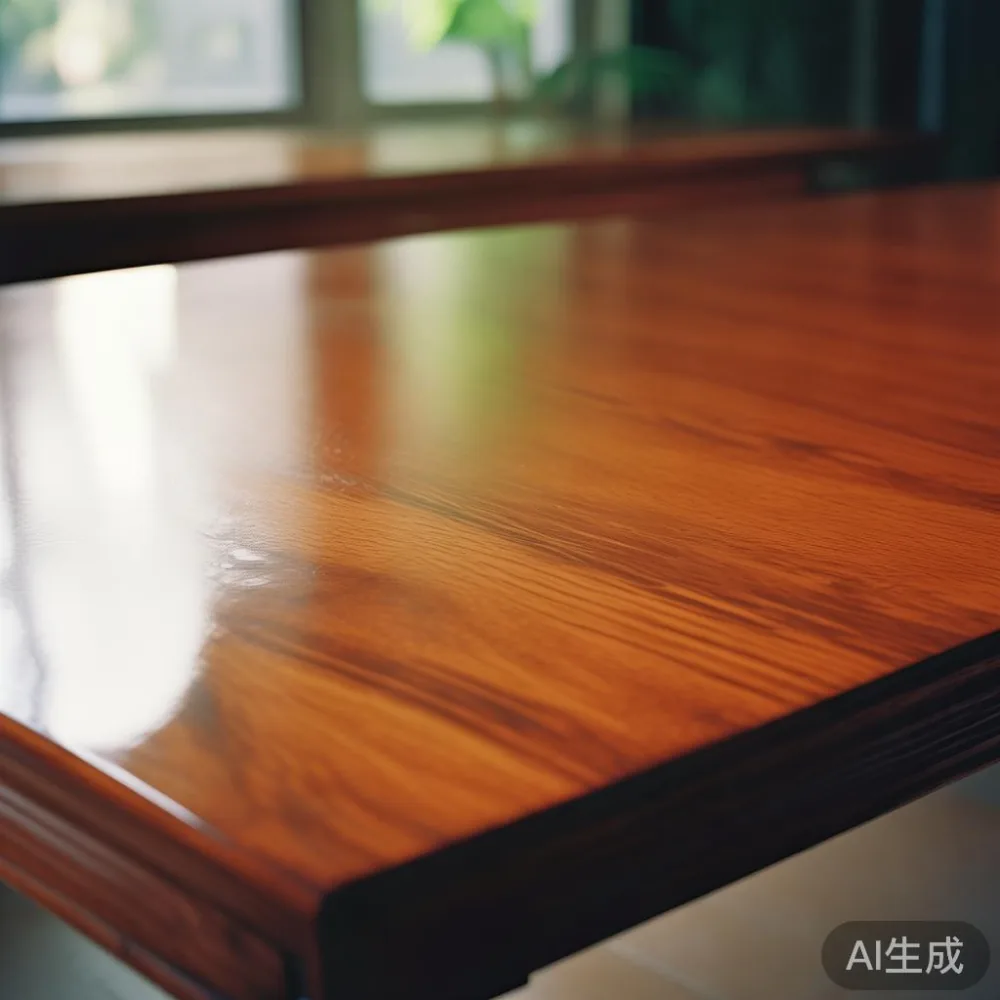
Living conditions matter as well. In many HDB dining areas, the table stands close to the kitchen, where cooking oil, steam, and grease accumulate. In condos with open kitchens, the dining table may sit directly beside the hob. Singaporean meals often include chilli, turmeric, tea, soy sauce, and oily seafood, so small spills should be removed promptly rather than left for hours.
Cleaning traffic is another factor. A dining table with 6 chairs in a compact flat may be wiped more than 10 times each week. A larger table seating 8 may collect crumbs, cutlery marks, and water rings from daily use. The finish should be wiped with a soft cloth rather than scrubbed, and the underside of the table should occasionally be checked for insects, moisture, or floor contact.
How do I identify the lacquer type before cleaning?
Ask for the finish specifications when the dining table is delivered or when you purchase a replacement care product. Water-based lacquer, oil-modified lacquer, and conversion varnish have different sensitivities. Water-based finishes usually tolerate a lightly damp cloth well. Conversion varnish is highly durable but can develop micro-cracking under severe thermal shock. Oil-modified products may respond poorly to strong alcohol or silicone polish.
Start with a hidden area, preferably a 5 cm × 5 cm section beneath the table. Dust the patch, then wipe it once with the proposed cleaner. Wait 24 hours, inspect it under daylight, and compare it with the untouched surface. A suitable product should not leave a haze, tackiness, colour shift, or softened paint edge. Never test several chemicals at once; if the surface changes, identifying which substance caused the reaction becomes difficult.
On an unidentified finish, use the most conservative method: a clean microfibre cloth lightly dampened with plain water, followed by a separate dry cloth. A 70% isopropyl alcohol solution should be used only after the manufacturer confirms compatibility. Household glass cleaner, vinegar, bleach, degreaser, and furniture oil are not automatically safe because their pH levels and chemical additives may attack lacquer.
Also determine whether the table has a gloss, satin, matte, or textured lacquer. Gloss shows fingerprints and water marks clearly. Satin disguises minor marks but can develop a polished sheen along frequently touched edges. Matte and textured finishes must never be polished with wax because buffing can make the surface glossy and uneven. A clear-coat renewal product may be suitable for satin finishes, but compatibility and colour matching should be confirmed before application.
What is the correct daily cleaning routine?
Clear the table before wiping it. Remove crumbs, rice grains, and cutlery with a soft brush or dry microfibre cloth. A small table brush with 2 cm bristles can reach seams without scratching. Avoid dragging coarse debris across the surface, since particles act like sandpaper under pressure.
For routine cleaning, use a clean, lint-free microfibre cloth. Lightly dampen it with lukewarm water and a drop of mild dish soap, then wring it out so no liquid runs into the joints. Wipe in the direction of the grain or along the length of the board, not in tight circles. Follow with a dry cloth within 1 minute. This two-cloth method leaves less mineral residue than repeatedly using a wet cloth.
Clean after meals and wipe spills immediately. A 30-second response can keep a soy sauce mark from becoming a stain. If a hot vessel lands on the table, let it cool before moving it. Place a trivet or heat-resistant mat beneath cookware and avoid leaving a metal pot, casserole dish, or ceramic mug on the surface overnight.
Use coasters and placemats even when the table appears resistant to marks. Coasters should measure at least 2 cm larger than the vessel base. Felt or cork pads are useful, but they should be replaced once their edges curl. A placemat can protect a large area from chilli oil and hot serving dishes. Avoid silicone trivets with a tacky underside, which may leave a temporary shiny ring.
Do not use paper towels, newspaper, scouring pads, steel wool, or rough cotton. A folded sheet of cotton can work for gentle drying, but it must be clean and free from lint. Never apply a cleaner with a concentrated spray directly above the table; spray the cloth in the sink, approximately 10 cm away, and test the finish first.
How should I deal with stains, scratches, and sticky patches?
For a fresh water ring, place a clean, white cotton cloth over the mark and press lightly with the palm for 10 seconds. The warmth and pressure may help lift a light film. If the mark remains, use a finish-approved cleaner rather than a home remedy. Baking soda, toothpaste, and lemon can abrade the lacquer or leave a chalky residue.
For sticky patches, first determine whether the stickiness comes from the surface or from residue. Warm airflow from a hair dryer held at least 30 cm away for 20–30 seconds can soften a light film. Do not use a heat gun above 40°C because excessive heat may soften, blister, or discolour the lacquer. Follow the test with a clean cloth. If the residue persists, ask a refinishing specialist to assess it.
Fine scratches can sometimes be reduced with a lacquer-safe polishing product, although the result depends on the finish. Apply a rice-grain amount to a soft cloth, work over a 10 cm section for no more than 15 seconds, and inspect immediately. Deep scratches that expose timber, chips along edges, or marks in a water-based lacquer are repair jobs. Full refinishing may be more suitable than repeated spot polishing, particularly for a table with a uniformly aged satin surface.
For dents, avoid pressing harder or pulling the surface. Place a folded towel around a low suction cup, secure it gently, and lift for 5–10 seconds. If the dent does not respond, consult a furniture repairer. Heat should never be used to flatten a dent because lacquer and underlying wood can be permanently damaged.
How can I prevent humidity, heat, and sunlight damage?
Keep the dining table at least 30 cm from an open balcony door where practical, and avoid positioning it directly beside a west-facing window. UV-filtering window film can reduce fading; a film that blocks at least 99% of UV rays and has a visible light transmission of around 50–70% is a practical choice. Curtains or blinds add another layer of protection during the brightest hours.
Maintain a stable indoor environment around 24–28°C and 50–65% relative humidity where possible. Air-conditioning can bring humidity below 40%, while open doors and windows can raise it above 80%. Rapid fluctuations are more troublesome than a stable reading within a reasonable range. A hygrometer placed beside the dining table gives a clearer local reading than a general weather forecast.
Allow heat-producing appliances to stand away from the table. A router or speaker may look harmless but can create a concentrated warm spot over many hours. Likewise, do not place a dining table against a hot kitchen wall. For compact Singapore interiors, allow roughly 90 cm of circulation space behind seated chairs and at least 60 cm between a chair back and a wall. These clearances reduce accidental knocks, particularly in narrow HDB dining zones.
Improves the legs with the supplied pads and keep the table clear of floor dampness. Do not seal the underside so tightly that moisture cannot escape. Check it twice each year for mould, dark spotting, or insect activity. Solid wood furniture should be inspected beneath the top and around joints, especially if it has been near a leaking balcony or air-conditioning condensate pipe.
How do lift widths and delivery planning protect a lacquered dining table?
Before delivery, measure the route rather than relying on the building’s stated floor area. Record the lift door width, internal lift depth, internal width, and the diagonal needed to turn a boxed dining table. A common HDB lift door may measure around 80–90 cm, but internal dimensions and permitted turning positions vary. A table top packed as 1 piece may be easier to carry upright than one delivered in 2 sections if the packaging fits the lift diagonally.
Protect the lacquer during every stage. Keep the original packaging, foam corner guards, and felt blankets. Carry the table on edge where the manufacturer recommends, and never use the lacquered top as a handhold. Two people should handle a top weighing more than 25 kg. The frame and top may together weigh 45–90 kg, depending on the dimensions and timber species.
For a condo, add the distance from the lift lobby to the front door, the width of the entry door, and any 90-degree corridor turn. If the route includes stairs, ask the delivery team for a written risk assessment rather than improvising. Delivery to Singapore addresses commonly takes 7–14 working days after production or stock confirmation, though remote or scheduled-access projects can require 14–21 days. GST applies to the displayed selling price, and lift or access surcharges should be confirmed before the booking.
Inspect the dining table before the delivery team leaves. Check the lacquer under daylight for scratches, colour variation, bubbles, chips, and dirty edges. Photograph the top from at least 4 angles, record the condition, and note any packaging damage. For MIDHILL orders, the 10-year structural warranty addresses long-term structural issues, while lifetime refinishing offers a defined route for restoring the wood finish. It is still important to distinguish cosmetic lacquer damage from a structural defect and report it promptly.
What should I do before hosting guests or moving the table?
Two days before a gathering, inspect the table for sticky areas and marks. Wipe it with the approved method, allow it to dry for 30 minutes, and place fresh coasters beneath every drink vessel. Keep serving dishes on trivets, and use a separate board for cutting bread or fruit. The table is a surface for eating, not a preparation counter.
Before moving the table, remove the chairs, tabletop items, drawers, and detachable leaves. Empty any under-table storage. Unfasten bolted sections only if the assembly instructions permit it. Lift the base rather than twisting it through the top, and use blankets that do not shed fibres. Never drag the table across a tiled floor; the legs can mark both the tile and the lacquered edge.
After the event, wipe away fingerprints and spills, then inspect beneath coasters and serving mats. These can trap moisture or colouring against the lacquer. A quick weekly inspection also catches hairline scratches before they become more obvious.
This care approach suits a wider range of furniture in the same home. A solid wood sofa needs a different upholstery routine, a bed frame needs stable floor protection, and a marble table requires pH-specific stone cleaners. A wardrobe needs airflow and hardware checks, while a nightstand needs restraint around lamps and drinks. Product planning can be coordinated through a MIDHILL coffee table review, a MIDHILL TV console inspection, or a MIDHILL light luxury bed brief, although each material should retain its own care instructions.
Can a lacquered dining table be restored instead of replaced?
Many surface problems can be corrected without replacing the table. A light haze may disappear after careful cleaning, while minor edge chips can be blended and lacquered. More extensive wear may require the top to be stripped, sanded, stained to match, and refinished. A refinisher should test 3–4 colour samples because aged lacquer often shifts warmer or more yellow than a new sample.
Check the warranty and refinishing terms before paying for independent work. MIDHILL offers lifetime refinishing for eligible furniture, and customers can return products within 14 days under the stated return policy. Structural problems covered by the 10-year warranty should be documented with photographs, measurements, and the original order details. Free delivery applies to qualifying orders above US$350, equivalent to about SGD 460 at a typical exchange rate, but the checkout terms should be checked because exchange rates and local charges can vary.
Style planning can influence care. A restrained French light luxury dining table often displays a smooth satin lacquer, while American light luxury schemes frequently place coordinated seating nearby. Post-modern light luxury may introduce curved profiles and mixed materials, yet the dining table remains the visual centre. A search for for sale Modern furniture should include lacquer composition, dimensions, weight, warranty, and care requirements, not appearance alone.
For bedroom projects, a search for the best French bed for 2026 is useful for checking proportions, while guidance on how to style American wardrobe in room can prevent crowding. A question about how to choose Mid-century modern wardrobe should focus on clearances, door swings, and storage volume. These comparisons make a mixed-furniture home more coherent, but they do not change the need to care for each surface according to its material.
The practical rule is simple: identify the lacquer, test every cleaner in a 5 cm square, use soft cloths, respond quickly to spills, control direct sun and heat, and inspect the table twice each year. With that routine, a lacquered dining table can remain attractive in Singapore’s humidity while retaining the craftsmanship of solid wood beneath the finish.